Product Description
|
Molecular Formula:
|
C6H6BrN
|
|
CAS No.:
|
22282-99-1
|
|
Appearance:
|
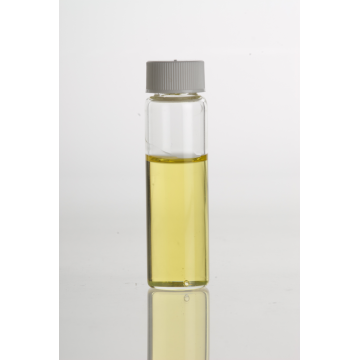
Pale Yellow Liquid
|
|
Assay:
|
98%
|
|
Synonyms:
|
2-Methyl-4-bromopyridine; 4-Bromo-2-methylpyridine
|
AI Product Description
*The following content is generated by AI and is for reference only.
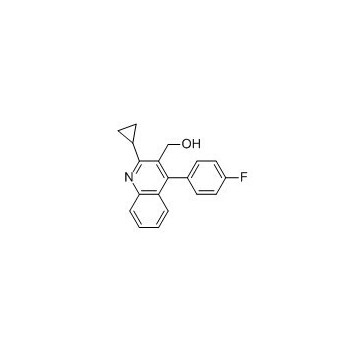
4-Bromo-2-picoline, identified by the CAS Registry Number 22282-99-1, is a versatile heterocyclic organic compound widely utilized in the pharmaceutical and agrochemical industries. Chemically classified as a substituted pyridine derivative, its molecular formula is C6H6BrN. The structure consists of a pyridine ring substituted with a methyl group at the second position and a bromine atom at the fourth position. This specific substitution pattern makes it an exceptionally valuable building block for synthetic chemistry, particularly in cross-coupling reactions such as Suzuki-Miyaura, Heck, and Sonogashira couplings.
The primary application of 4-bromo-2-picoline lies in the synthesis of complex nitrogen-containing heterocycles. In the pharmaceutical sector, it serves as a crucial intermediate for developing active pharmaceutical ingredients (APIs) targeting various therapeutic areas, including anti-inflammatory agents, antiviral drugs, and anticancer compounds. The presence of the bromine atom allows for efficient nucleophilic substitution or metal-catalyzed coupling, enabling chemists to introduce diverse functional groups onto the pyridine scaffold with high precision. Similarly, in the agricultural industry, this compound is employed in the production of novel herbicides and fungicides designed to enhance crop protection and yield. Its reactivity profile facilitates the creation of molecules with optimized biological activity and selectivity.
Physically, 4-bromo-2-picoline typically appears as a clear to pale yellow liquid with a characteristic amine-like odor. It is soluble in most common organic solvents but exhibits limited solubility in water. Due to its volatility and potential toxicity, proper handling protocols involving fume hoods and personal protective equipment are essential during laboratory and industrial processing. As a key precursor, 4-bromo-2-picoline bridges the gap between simple starting materials and advanced bioactive molecules. Its availability in high purity grades ensures consistent performance in research and large-scale manufacturing processes. Researchers and industrial chemists continue to rely on this compound to accelerate drug discovery pipelines and develop next-generation agricultural chemicals, underscoring its enduring importance in modern chemical synthesis.





 (All Rights Reserved)






![5,6,7,7a-Tetrahydro thieno[3,2-c]pyridin-2(4H)-one Hydrochloride](https://eimg.pharmasources.com/img_Cphi_en/Product/2016_02/Mimg_1602021058457992.jpg)