Product Description
Pharmaceutical
Raw Materials and Intermediates
AI Product Description
*The following content is generated by AI and is for reference only.
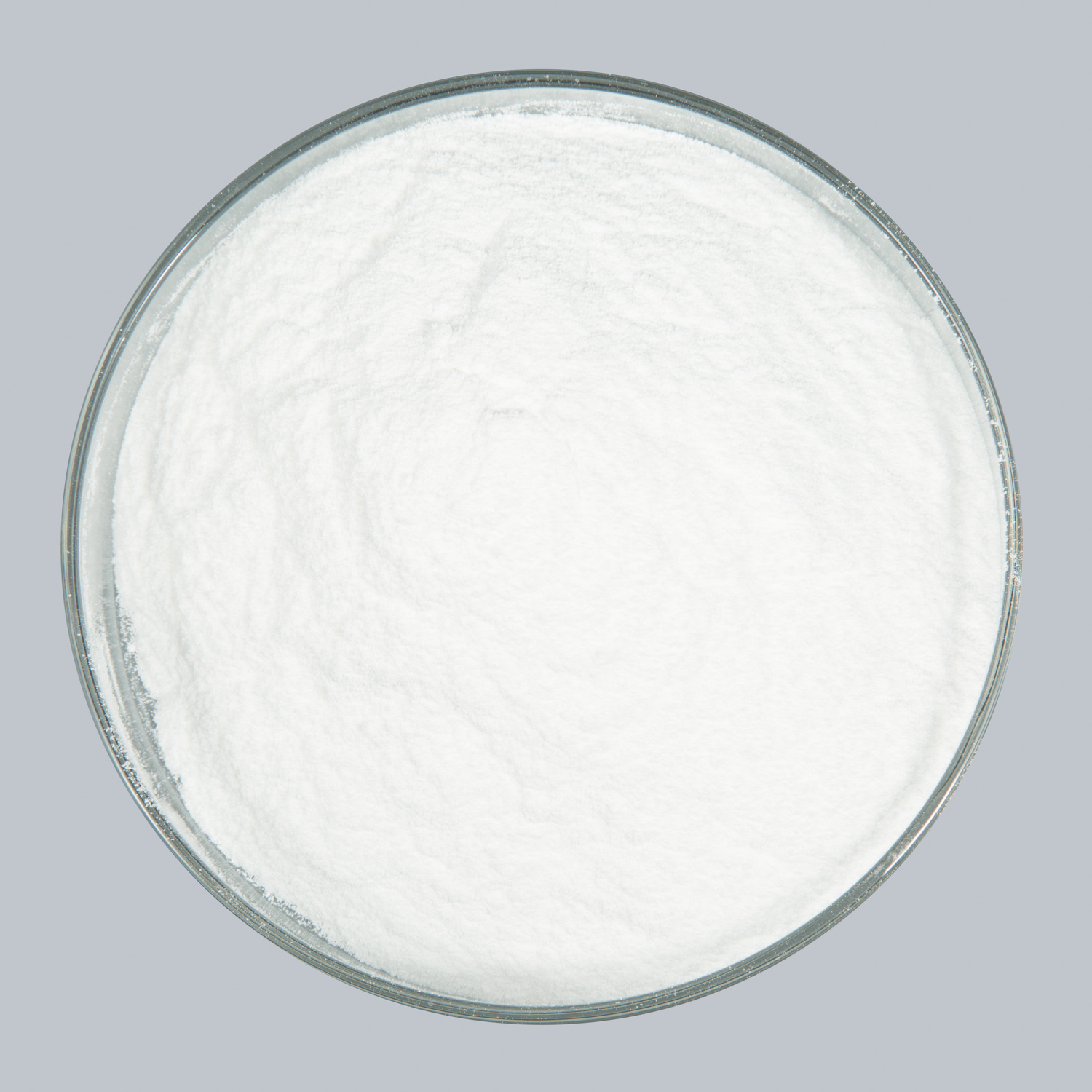
3D (Intermediate of Cyproterone Acetate) is a specialized chemical intermediate widely utilized in the pharmaceutical industry for the synthesis of Cyproterone Acetate, a potent anti-androgenic and progestogenic steroid. This compound serves as a critical precursor in the multi-step manufacturing process required to produce the final therapeutic drug used primarily in the treatment of severe acne, hirsutism, prostate cancer, and hypersexuality. As an essential building block, 3D possesses specific stereochemical configurations that ensure high efficiency and yield during the subsequent acetylation and functionalization reactions leading to the active pharmaceutical ingredient (API).
The molecular formula of this intermediate typically aligns with the structural framework of the cyproterone core, often represented as C21H25ClO4 or similar variations depending on the specific stage of synthesis and protecting groups employed. Its precise CAS number varies based on the exact isomeric form and purity specifications provided by different manufacturers, though it generally falls within the range associated with chlorinated steroid intermediates. The compound is characterized by its stability under standard storage conditions, requiring protection from moisture and light to maintain chemical integrity prior to use.
In industrial applications, 3D is valued for its role in enabling the cost-effective production of Cyproterone Acetate at scale. Pharmaceutical laboratories utilize this intermediate to streamline synthesis pathways, reducing waste and improving overall reaction kinetics. Quality control measures are stringent, ensuring that the intermediate meets international pharmacopoeia standards regarding purity, impurity profiles, and crystalline structure. Researchers and chemists rely on this substance to develop formulations that effectively block androgen receptors without compromising patient safety. Due to its specialized nature, availability is often restricted to licensed chemical suppliers and research institutions engaged in endocrine disorder treatments. Continuous advancements in green chemistry aim to optimize the synthesis of such intermediates, minimizing environmental impact while maintaining high efficacy. Ultimately, 3D remains a cornerstone component in the global supply chain for hormonal therapies, bridging the gap between raw materials and life-saving medications.





 (All Rights Reserved)
![6,8-Dioxo-5,7-diazaspiro[3.4]octane-2-carboxylic acid](https://eimg.pharmasources.com/image/product/20250403/02effeb5a7639bc84ff1f3add3c0c64fjpg)
![8-Oxa-1,3-diazaspiro[4.5]decane-2,4-dione](https://eimg.pharmasources.com/image/product/20250403/60fa7223d5a34f24138486ceea0ffb15jpg)
![8,16-Diazadispiro[6.1.6.2]heptadecan-17-one](https://eimg.pharmasources.com/image/product/20250403/ca91cba8b87e53fc879f8d8764873a40jpg)