Product Description
Pharmaceutical
Raw Materials and Intermediates
AI Product Description
*The following content is generated by AI and is for reference only.
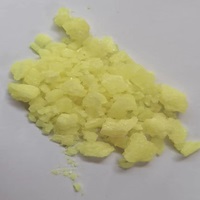
Cyproterone Acetate (CPA) is a widely recognized synthetic steroid primarily utilized in the treatment of androgen-dependent conditions, including prostate cancer, severe acne, hirsutism, and as a component in oral contraceptives for women. While specific intermediates like "Intermediate of Cyproterone Acetate" are not always assigned unique commercial names or CAS numbers in public databases without precise structural context, they generally refer to key precursors in the multi-step chemical synthesis of CPA. These intermediates typically possess a modified gonane or steroidal backbone that has undergone partial functionalization but lacks the final acetoxy group at the C6 position or the complete side-chain modifications required for biological activity.
The molecular formula of the final active drug, Cyproterone Acetate, is C24H29ClO3, with a CAS number of 427-51-0. Intermediates leading to this structure often share similar carbon frameworks, such as derivatives containing chlorine atoms at the 6-position or specific hydroxyl configurations, though their exact formulas vary depending on the synthetic pathway employed by manufacturers. Common synthetic routes involve the reaction of specific steroids with chlorinating agents followed by esterification. The primary utility of these intermediates lies within pharmaceutical manufacturing processes rather than direct clinical application. They serve as critical building blocks for high-purity API production, ensuring regulatory compliance and batch consistency in the global market.
In industrial chemistry, these intermediates are handled under strict quality control protocols to prevent contamination and ensure safety during the conversion to the final therapeutic agent. Their role is indispensable in the supply chain of gender-affirming therapies, dermatological treatments, and hormonal regulation medications. Researchers and chemists focus on optimizing the yield and purity of these steps to reduce production costs and environmental impact. Due to the complexity of steroid synthesis, precise characterization via NMR, HPLC, and mass spectrometry is standard practice for verifying intermediate identity before proceeding to the next stage. Ultimately, while the intermediate itself is not a consumer product, it is the foundational element enabling the creation of effective medical solutions for millions of patients worldwide suffering from androgen-related disorders.




 (All Rights Reserved)
![6,8-Dioxo-5,7-diazaspiro[3.4]octane-2-carboxylic acid](https://eimg.pharmasources.com/image/product/20250403/02effeb5a7639bc84ff1f3add3c0c64fjpg)
![8,16-Diazadispiro[6.1.6.2]heptadecan-17-one](https://eimg.pharmasources.com/image/product/20250403/ca91cba8b87e53fc879f8d8764873a40jpg)
![8-Oxa-1,3-diazaspiro[4.5]decane-2,4-dione](https://eimg.pharmasources.com/image/product/20250403/60fa7223d5a34f24138486ceea0ffb15jpg)
