Product Description
Pharmaceutical
Raw Materials and Intermediates
AI Product Description
*The following content is generated by AI and is for reference only.
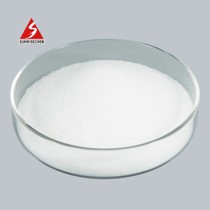
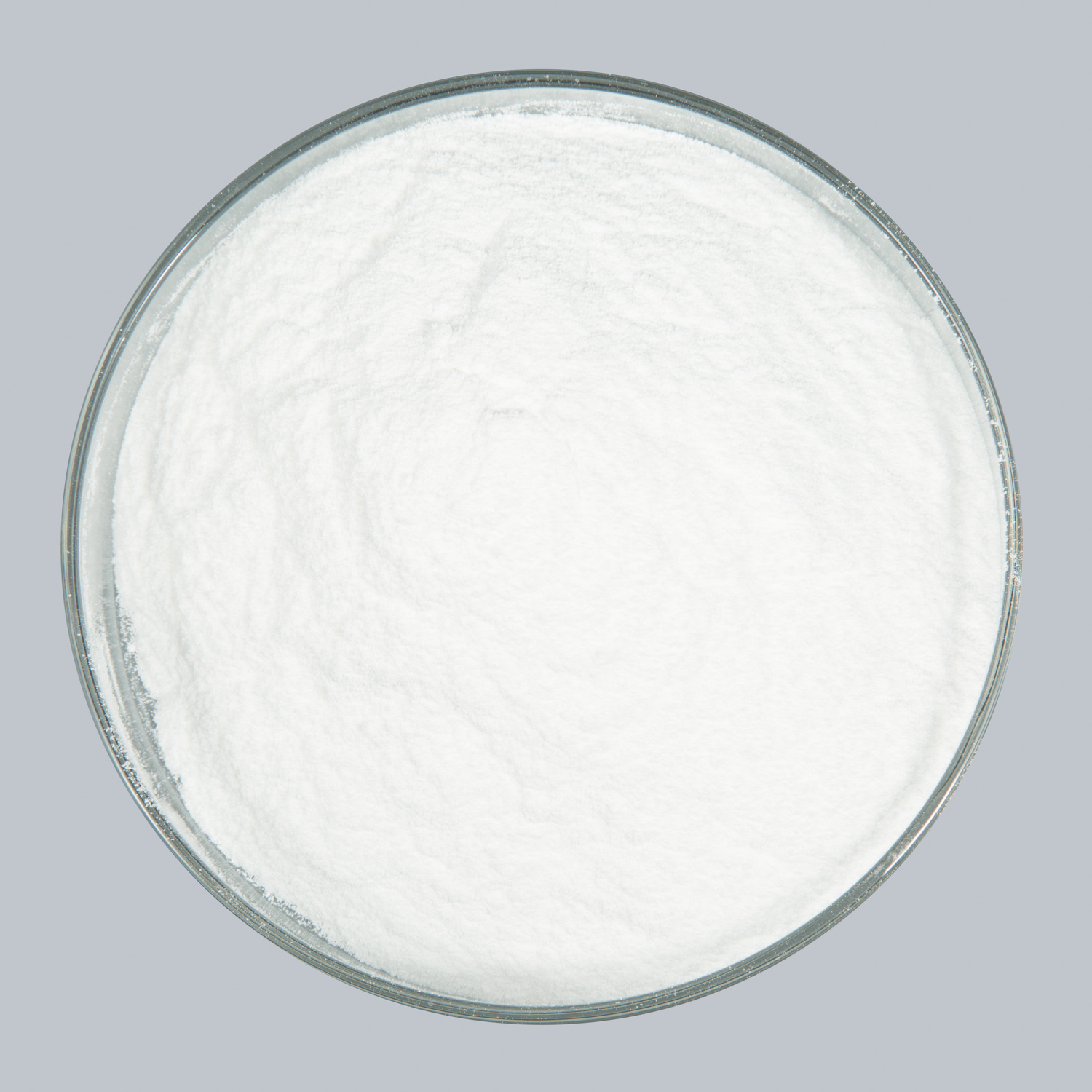
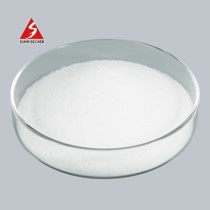
3,5-Dichlorobenzyl alcohol is a specialized organic compound widely utilized in the fields of pharmaceutical synthesis and agrochemical development. With the molecular formula C7H6Cl2O and a CAS registry number of 108-42-9, this chemical serves as a critical intermediate in the construction of complex molecular architectures. Structurally, it features a benzene ring substituted with two chlorine atoms at the meta positions (positions 3 and 5) relative to a hydroxymethyl group, imparting distinct electronic and steric properties that are highly valuable for downstream reactions.
The primary application of 3,5-dichlorobenzyl alcohol lies in its role as a building block for synthesizing active pharmaceutical ingredients (APIs). It is frequently employed in the production of various drugs targeting cardiovascular conditions, anti-inflammatory agents, and specific antimicrobial compounds. The presence of the dichloro substitution pattern often enhances the lipophilicity and metabolic stability of the resulting drug candidates, making them more effective therapeutic agents. Furthermore, this compound finds utility in the agricultural sector as a precursor for novel pesticides and herbicides designed to control pests while minimizing environmental persistence compared to older generations of chemicals.
In laboratory settings, 3,5-dichlorobenzyl alcohol is used as a standard reagent for studying structure-activity relationships (SAR) during medicinal chemistry research. Its reactivity allows chemists to perform esterification, etherification, and oxidation reactions to generate diverse derivatives. As a solid at room temperature, it requires careful handling under standard safety protocols due to potential irritation upon contact with skin or eyes. Global supply chains maintain steady availability of high-purity grades to support both industrial manufacturing and academic research. While not a consumer product itself, its indirect contribution to public health through improved medication efficacy and crop protection remains significant. Researchers continue to explore new pathways utilizing this versatile molecule to develop next-generation therapeutics and sustainable agricultural solutions, ensuring its enduring relevance in modern chemical science.





 (All Rights Reserved)
![6,8-Dioxo-5,7-diazaspiro[3.4]octane-2-carboxylic acid](https://eimg.pharmasources.com/image/product/20250403/02effeb5a7639bc84ff1f3add3c0c64fjpg)
![8,16-Diazadispiro[6.1.6.2]heptadecan-17-one](https://eimg.pharmasources.com/image/product/20250403/ca91cba8b87e53fc879f8d8764873a40jpg)
![8-Oxa-1,3-diazaspiro[4.5]decane-2,4-dione](https://eimg.pharmasources.com/image/product/20250403/60fa7223d5a34f24138486ceea0ffb15jpg)
