Product Description
The scale is clear and accurate, easy to identify the pipetting volume. Difffferent color ring marks,easy to identify the pipette volume. Bidirectional scale line and negative scale line design, providing customers with a variety of quantitative pipetting operations. Individually peel pack ensures safety and sterility. Ultra-pure polystyrene material, in line with USP VI standard perfectly adapt to mainstream pipettes on the market. Sterility Assurance Level SAL 10-7.
AI Product Description
*The following content is generated by AI and is for reference only.
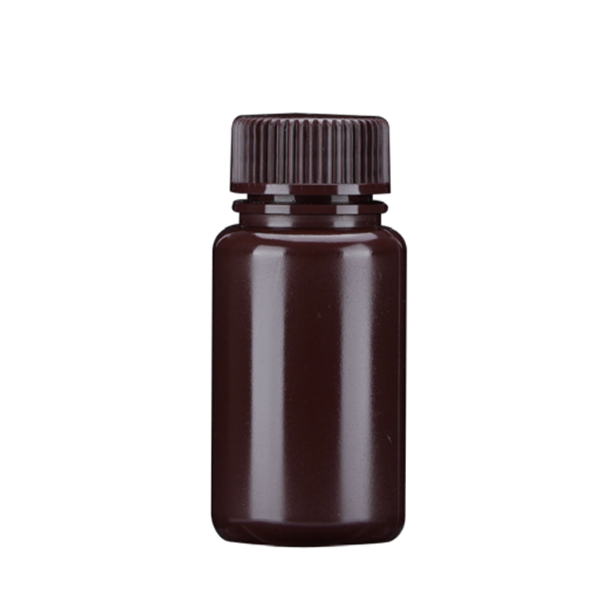
Wide-mouth reagent bottles manufactured from high-density polyethylene (HDPE) and polypropylene (PP) are indispensable tools in modern laboratory environments. These containers are specifically designed to store, transport, and dispense a vast array of chemical substances safely and efficiently. Their wide opening facilitates the easy addition of solids or viscous liquids and simplifies cleaning procedures, ensuring that no residue remains trapped in narrow necks. The materials used offer exceptional chemical resistance against many acids, bases, and solvents, making them suitable for storing diverse reagents without degradation or leakage. Furthermore, these bottles are often supplied sterile, which is critical for applications requiring contamination-free conditions, such as microbiological testing or sensitive analytical work.
When utilizing these bottles, several safety precautions must be observed to maintain integrity and user safety. Although HDPE and PP exhibit strong chemical compatibility, they are not universally resistant to all organic solvents; users should always consult compatibility charts before storing aggressive substances like concentrated hydrocarbons or strong oxidizers. Additionally, while the plastic is durable, it can become brittle under extreme cold or degrade under prolonged exposure to direct sunlight and high temperatures. Therefore, storage should occur in a cool, dark environment away from heat sources. It is also vital to ensure caps are tightly sealed after each use to prevent evaporation, spillage, or cross-contamination between samples.
Proper labeling is another essential practice. Even when the bottle itself is clear or translucent, clearly marking the contents, concentration, date of preparation, and hazard warnings prevents accidental misuse. Never reuse a bottle previously containing hazardous chemicals for different substances unless it has been rigorously cleaned and verified, as residual traces can lead to dangerous reactions. Finally, dispose of damaged or expired bottles according to local hazardous waste regulations rather than standard trash protocols. By adhering to these guidelines, laboratories can maximize the utility of these versatile containers while ensuring a safe working environment for all personnel.





 (All Rights Reserved)