*The following content is generated by AI and is for reference only.
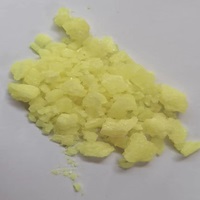
3-Hydroxy-2-nitropyridine is a specialized heterocyclic compound widely recognized in organic synthesis and pharmaceutical research. With the molecular formula C5H4N2O3 and a molecular weight of approximately 140.1 g/mol, this white to pale yellow crystalline solid serves as a crucial intermediate in the construction of complex nitrogen-containing architectures. Its primary CAS registry number is 29837-65-4, ensuring precise identification across global chemical databases and supply chains.
The compound features a pyridine ring substituted with a hydroxyl group at the third position and a nitro group at the second position. This unique substitution pattern imparts distinct electronic properties, making it highly reactive toward nucleophilic substitutions and reduction reactions. Consequently, 3-hydroxy-2-nitropyridine is frequently employed as a building block for synthesizing advanced medicinal agents, including antiviral drugs, anticancer therapeutics, and various agrochemicals. The presence of the nitro group allows for versatile transformation into amino derivatives via catalytic hydrogenation or metal-acid reductions, which are essential steps in generating biologically active pyridinyl amines.
Beyond pharmaceutical applications, this molecule finds utility in the development of novel ligands for coordination chemistry and materials science. Researchers utilize its structural framework to design chelating agents capable of binding transition metals, facilitating studies in catalysis and sensor technology. Furthermore, its solubility characteristics in polar organic solvents make it an ideal candidate for high-performance liquid chromatography (HPLC) standards and spectroscopic analysis calibration. Safety protocols dictate that handling should occur under controlled conditions due to the potential energetic nature of nitro compounds, requiring proper personal protective equipment and ventilation systems. As demand for targeted drug delivery systems grows, 3-hydroxy-2-nitropyridine remains a pivotal reagent in the toolkit of synthetic chemists aiming to innovate new therapeutic modalities while maintaining rigorous safety and quality standards throughout the production lifecycle.