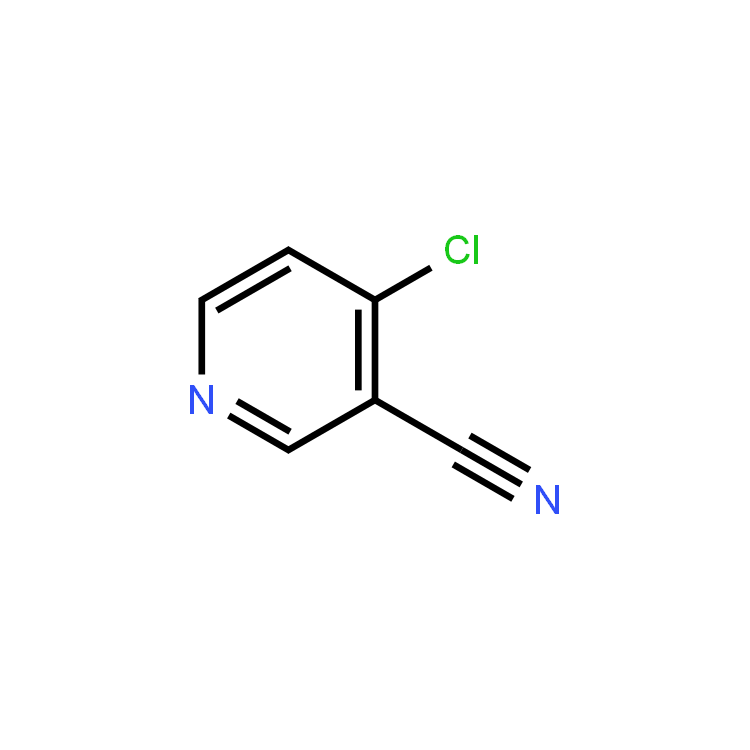
Product Description
Used in the production of o-aminophenol, pharmaceutical intermediates, synthetic dye intermediates, synthetic pesticide intermediates
AI Product Description
*The following content is generated by AI and is for reference only.
3-Bromo-4-Methylpyridine is a versatile heterocyclic building block widely utilized in the pharmaceutical and agrochemical industries for the synthesis of complex organic molecules. With the Chemical Abstracts Service (CAS) Registry Number 2178-65-0, this compound features a pyridine ring substituted with a bromine atom at the third position and a methyl group at the fourth position. Its molecular formula is C₆H₆BrN, corresponding to a molecular weight of approximately 172.02 g/mol. The molecule appears as a colorless to pale yellow liquid or low-melting solid, depending on purity and storage conditions, and possesses moderate solubility in common organic solvents while exhibiting limited solubility in water.
The primary utility of 3-Bromo-4-Methylpyridine lies in its role as a key intermediate in cross-coupling reactions, particularly Suzuki-Miyaura, Heck, and Sonogashira couplings. These palladium-catalyzed transformations allow chemists to efficiently construct carbon-carbon bonds by attaching various aryl or vinyl groups to the pyridine scaffold. This reactivity makes it indispensable for developing novel drug candidates, including kinase inhibitors, anti-inflammatory agents, and compounds targeting neurological disorders. Furthermore, the presence of both the electron-withdrawing bromine and the electron-donating methyl group creates a unique electronic environment that facilitates selective functionalization, enabling the precise tailoring of molecular properties for specific biological activities.
In the agricultural sector, derivatives synthesized from this precursor are investigated for their potential as herbicides and fungicides, offering improved efficacy and reduced environmental persistence compared to older generations of chemicals. Researchers also employ this compound in materials science to create luminescent materials and ligands for coordination chemistry applications. Due to its stability under standard laboratory conditions and commercial availability, it serves as a reliable starting material for medicinal chemists optimizing lead compounds during early-stage drug discovery. Proper handling requires adherence to safety protocols, as halogenated aromatics can be irritants, though it remains a staple reagent in modern synthetic organic chemistry laboratories globally for constructing advanced nitrogen-containing heterocycles.






 (All Rights Reserved)





![8,16-Diazadispiro[6.1.6.2]heptadecan-17-one](https://eimg.pharmasources.com/image/product/20250403/ca91cba8b87e53fc879f8d8764873a40jpg)
![6,8-Dioxo-5,7-diazaspiro[3.4]octane-2-carboxylic acid](https://eimg.pharmasources.com/image/product/20250403/02effeb5a7639bc84ff1f3add3c0c64fjpg)
![8-Oxa-1,3-diazaspiro[4.5]decane-2,4-dione](https://eimg.pharmasources.com/image/product/20250403/60fa7223d5a34f24138486ceea0ffb15jpg)