Product Description
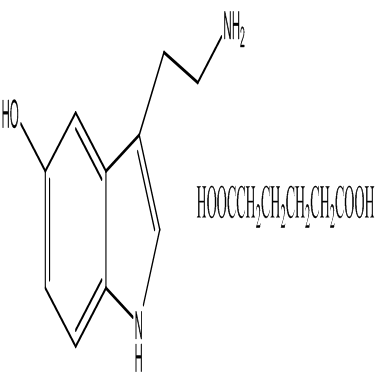
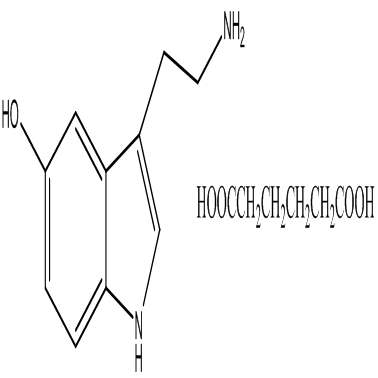
3-(2-aminoethy)1h-indol-5-ol hexanedioic acid
Type:Herbal Extract
Variety:Griffonia seed extract
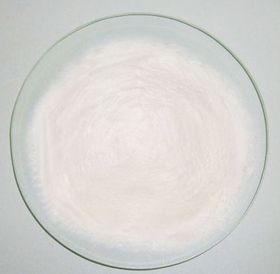
Character:Powder
Purity : min 98%
Extraction method:Solvent Extraction
Packing : Drum,Vacuum Packed
Grade : medicine grade
Molecular Weight : 322.356
molecular formula : C16H22N2O5
Appearance : White-like solid
Product Usage:
medicine intermediate
Contact US
Trading manager : Helen Tan
Whatsapp : +86 13930229229
Website: www.blrhbio.com
AI Product Description
*The following content is generated by AI and is for reference only.
3-(2-Aminoethyl)-1H-indol-5-ol hexanedioic acid, identified by CAS Registry Number 13425-34-8, is a specialized chemical salt formed through the interaction of a substituted indole derivative and adipic acid. Structurally, this compound combines the bioactive core of serotonin-like indoles with the dicarboxylic functionality of hexanedioic acid (adipic acid). The molecular formula typically reflects the stoichiometric ratio of the free base to the acid component, often resulting in a complex structure used primarily in pharmaceutical research and development rather than as a standalone commercial product.
The primary application of this substance lies in the field of medicinal chemistry, specifically within the synthesis of novel pharmacological agents targeting neurological disorders. The indole moiety, particularly at the 5-position with an aminoethyl side chain, mimics the structural framework of endogenous neurotransmitters such as serotonin (5-hydroxytryptamine). By forming a salt with adipic acid, researchers can modify the solubility, stability, and crystalline properties of the active molecule, facilitating easier handling, purification, and formulation during drug discovery processes. This modification is crucial for optimizing the pharmacokinetic profile of potential therapeutics intended to treat conditions like depression, anxiety, migraines, or other serotonergic dysfunctions.
In laboratory settings, this compound serves as a key intermediate or reference standard for studying receptor binding affinities and metabolic pathways. It allows scientists to investigate how specific structural modifications influence biological activity without the interference of variable counterions found in other salt forms. While not widely available as a bulk commodity chemical, it represents a critical building block for advanced organic synthesis projects aimed at creating next-generation psychotropic medications. Its usage is strictly regulated and confined to professional research environments due to its potent biological relevance. Furthermore, understanding the physicochemical characteristics of such salts aids in predicting their behavior in aqueous solutions and biological systems, which is essential for successful clinical translation. As research into the serotonergic system continues to evolve, compounds of this nature remain vital tools for unraveling the complexities of brain chemistry and developing safer, more effective treatments for mental health disorders.


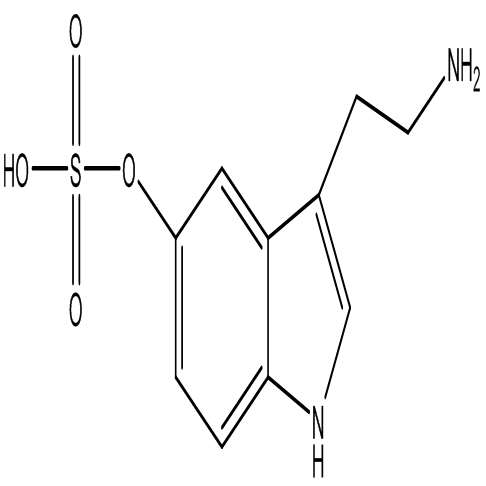
![benzyl-N-[2-(5-hydroxy-1H-indol-3-yl)]carbamate,CAS:53157-50-10](https://eimg.pharmasources.com/image/product/20200619/d2cc2c1ed1aacb4b50276ca2a7970df2jpg)
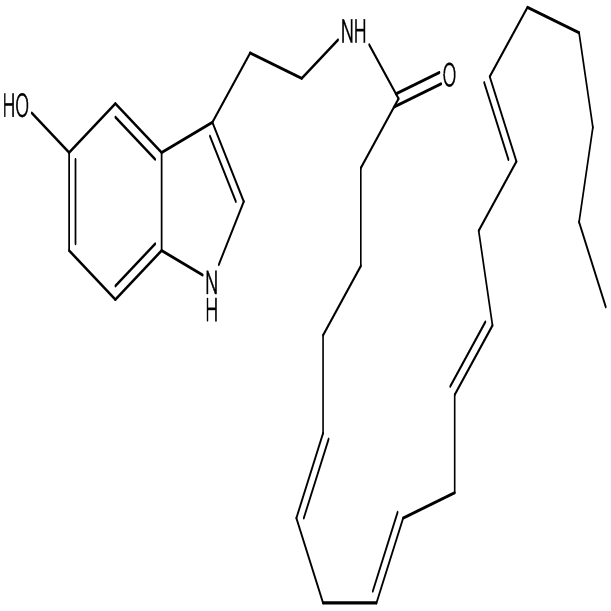
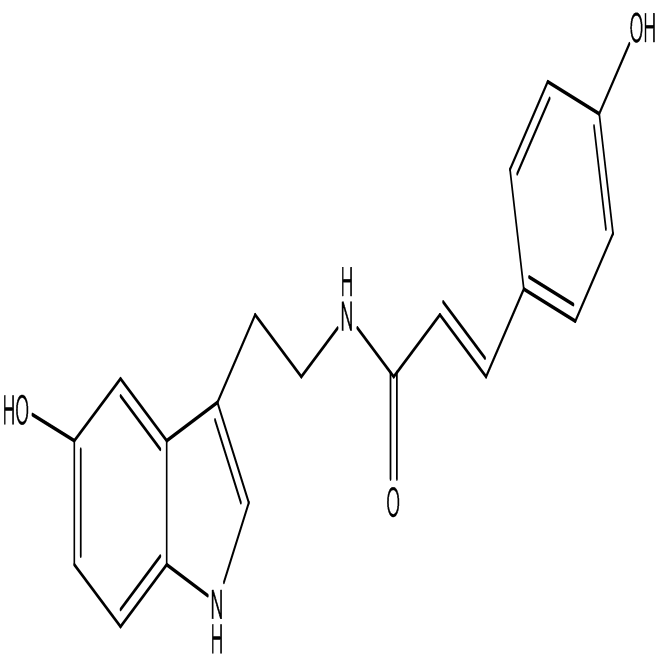

![5,6,7,7a-Tetrahydro thieno[3,2-c]pyridin-2(4H)-one Hydrochloride](https://eimg.pharmasources.com/img_Cphi_en/Product/2016_02/Mimg_1602021058457992.jpg)







 (All Rights Reserved)