Product Description
Pharmaceutical
Raw Materials and Intermediates
AI Product Description
*The following content is generated by AI and is for reference only.
(2S,3S)-(-)-Dihydroxybutane-1,4-dioic acid diethyl ester is a specialized chiral organic compound widely utilized in advanced synthetic chemistry and pharmaceutical research. Chemically identified by the CAS number 68037-56-9, this molecule features a specific stereochemical configuration at the C2 and C3 positions, denoted as (2S,3S). Its molecular formula is C8H14O6, corresponding to a molar mass of approximately 206.2 g/mol. Structurally, it consists of a four-carbon backbone with two ethyl ester groups at the terminal positions and two hydroxyl groups located on the central carbons. The presence of these stereocenters makes it an invaluable tool for asymmetric synthesis, serving as a crucial building block for constructing complex chiral scaffolds found in bioactive molecules.
The primary application of this reagent lies in the development of novel therapeutic agents. Due to its defined chirality, it is frequently employed as a starting material or intermediate in the total synthesis of antibiotics, antiviral drugs, and enzyme inhibitors where specific three-dimensional geometry dictates biological activity. Researchers utilize its dual functionality—acting both as an ester and a diol—to perform selective protection, deprotection, and coupling reactions under controlled conditions. Furthermore, its stability and solubility profile make it suitable for various organic transformations, including oxidation, reduction, and cyclization reactions aimed at generating heterocyclic compounds.
In academic and industrial laboratories, high-purity samples of this compound are essential for ensuring reproducibility in mechanistic studies and structure-activity relationship (SAR) analyses. It allows chemists to explore the impact of stereochemistry on reaction pathways and final product efficacy. While not typically used as a standalone commercial product, its role as a precursor underscores its significance in the broader landscape of fine chemical manufacturing. Suppliers generally provide this substance in sealed containers to maintain its optical purity, preventing racemization which could compromise experimental outcomes. As the demand for enantiomerically pure compounds grows in the pharmaceutical sector, derivatives like (2S,3S)-(-)-dihydroxybutane-1,4-dioic acid diethyl ester remain critical assets for innovators seeking to design next-generation medicines with improved safety profiles and targeted mechanisms of action.

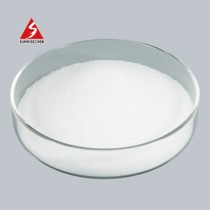




 (All Rights Reserved)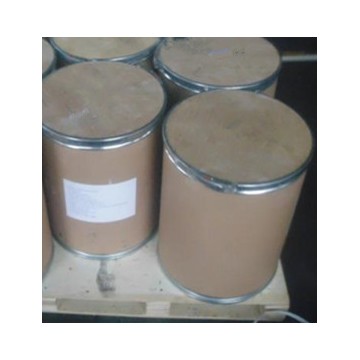
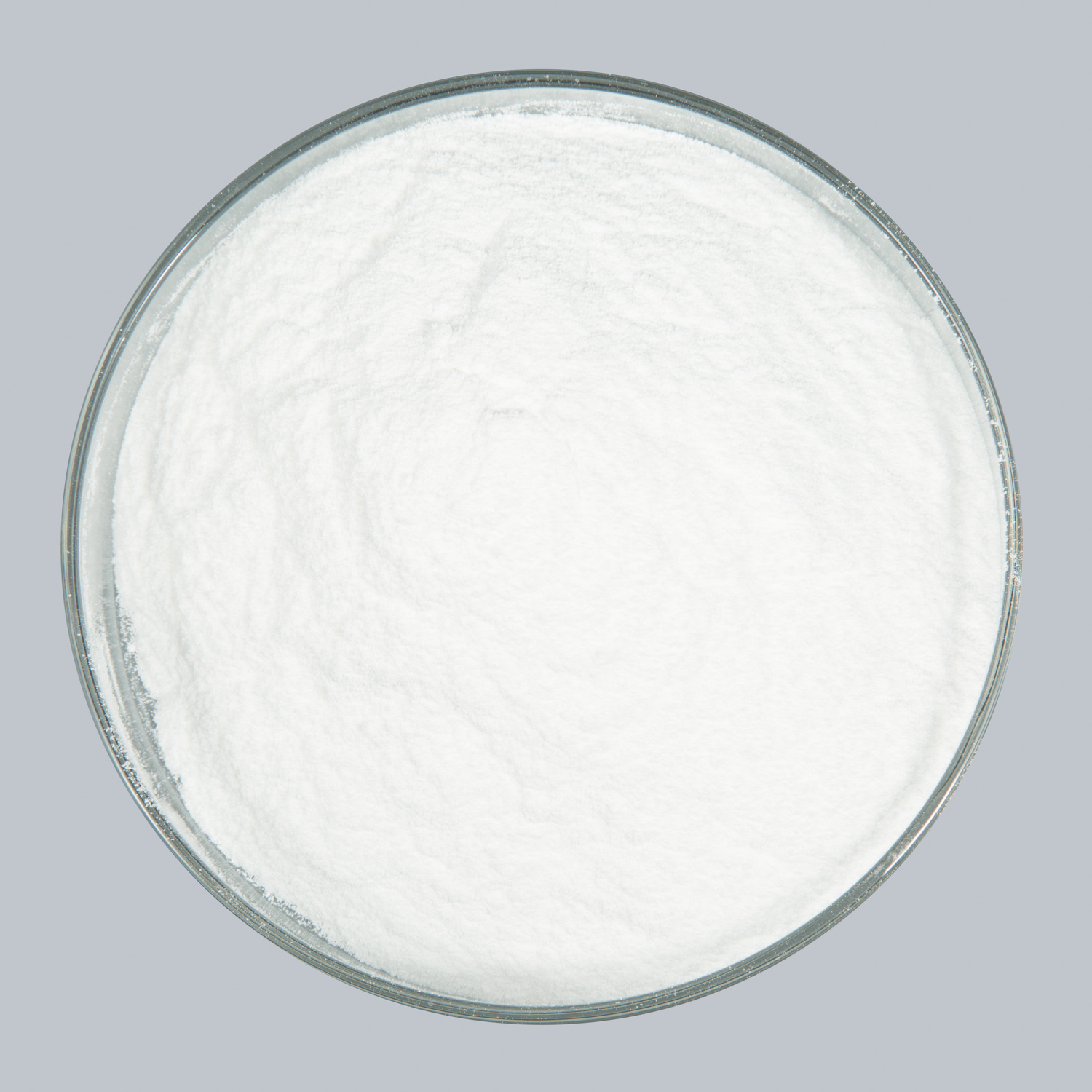
![8-Oxa-1,3-diazaspiro[4.5]decane-2,4-dione](https://eimg.pharmasources.com/image/product/20250403/60fa7223d5a34f24138486ceea0ffb15jpg)
![6,8-Dioxo-5,7-diazaspiro[3.4]octane-2-carboxylic acid](https://eimg.pharmasources.com/image/product/20250403/02effeb5a7639bc84ff1f3add3c0c64fjpg)
![8,16-Diazadispiro[6.1.6.2]heptadecan-17-one](https://eimg.pharmasources.com/image/product/20250403/ca91cba8b87e53fc879f8d8764873a40jpg)
