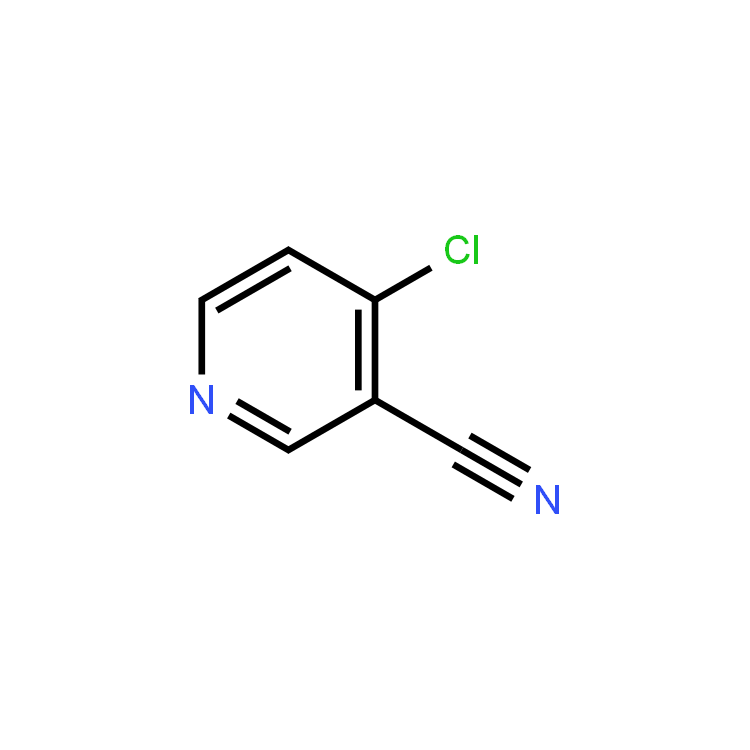
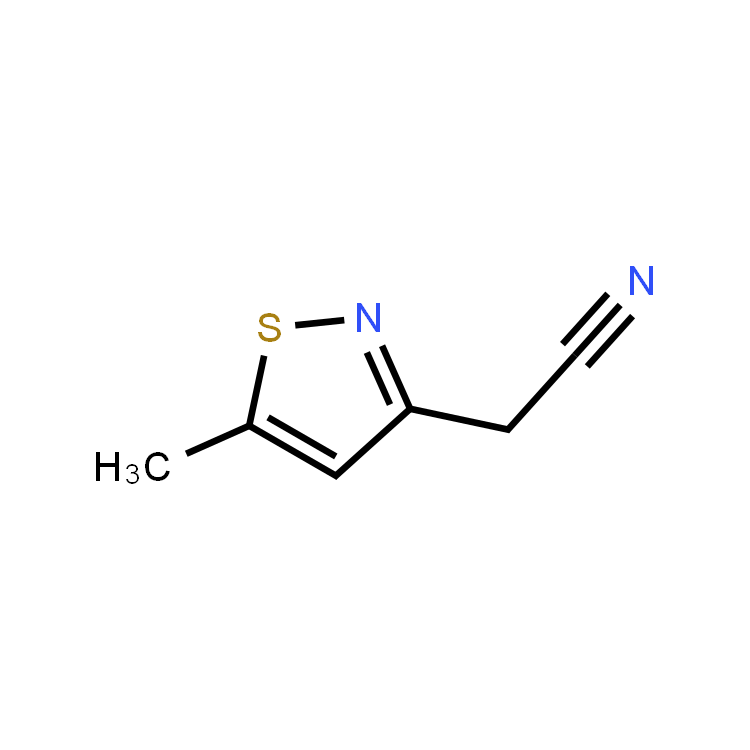
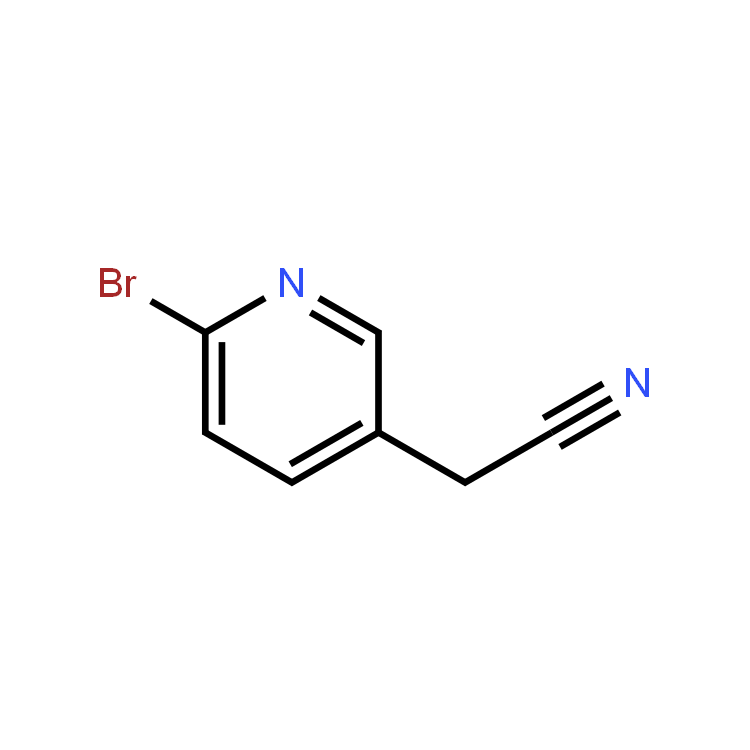
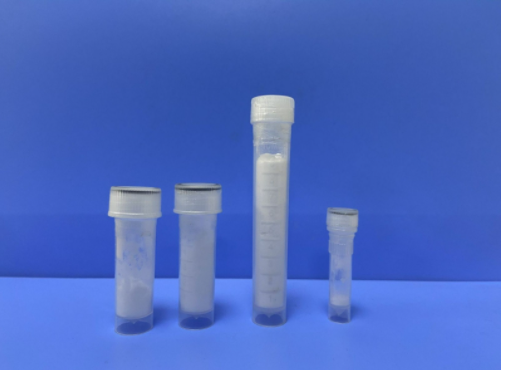
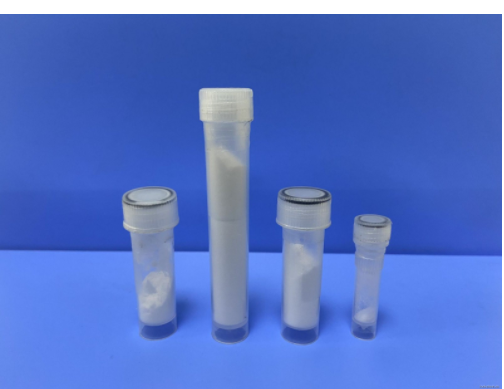
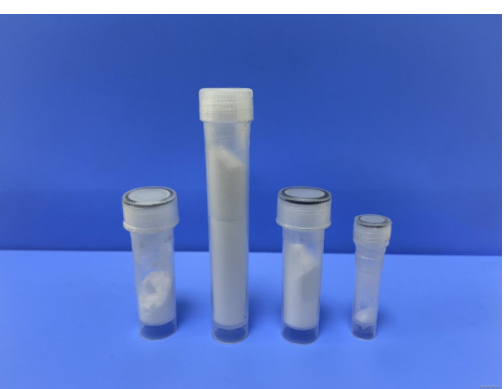
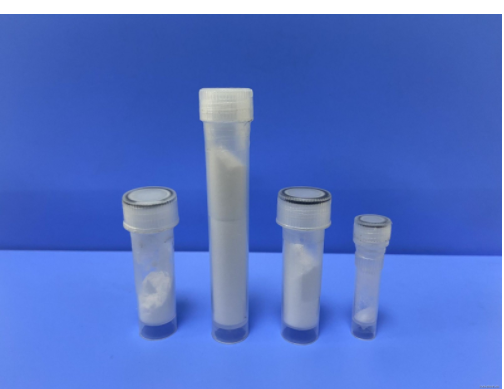
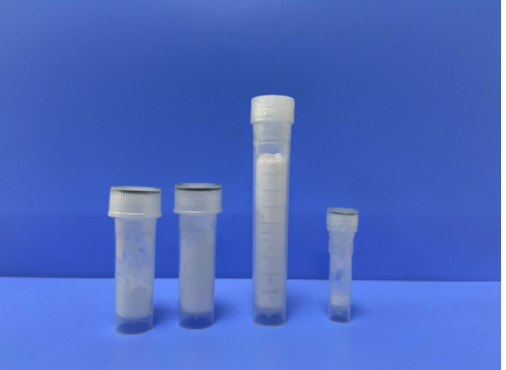
Brand: Gutuo Appearance: white solid Storage: shading, cool and dry, sealed and stored Purity: ≥99% Main use: pharmaceutical intermediates Executive standard: enterprise standard Specification: 25kg/barrel or 1kg/bag (subject to customer requirements) Sales scope: nationwide
*The following content is generated by AI and is for reference only.
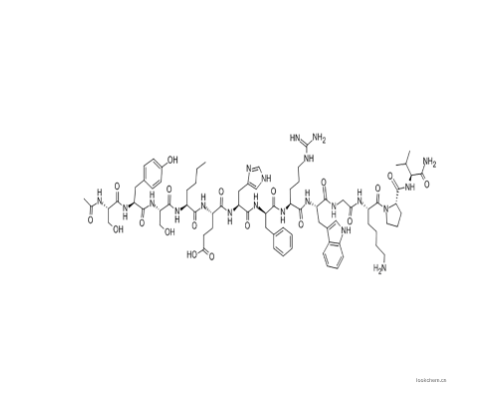
The chemical compound designated as (2S)-6-amino-2-[[(2S)-2-[[(2S)-6-amino... represents a highly specific stereoisomer within the class of peptide derivatives, characterized by its complex chiral architecture. Although the full systematic name provided in the query appears truncated, it clearly indicates a structure containing multiple amino acid residues with defined S-configuration at key chiral centers, likely involving lysine or ornithine derivatives given the "6-amino" notation. These compounds are typically synthesized for advanced biochemical research, serving as critical building blocks in peptidomimetic drug development and structural biology studies. The precise stereochemistry is paramount, as biological systems are highly sensitive to chirality; the (2S) configuration ensures compatibility with natural enzymatic pathways and receptor binding sites found in mammalian physiology.
In terms of physical properties, such peptides generally exist as white to off-white crystalline solids or amorphous powders, exhibiting high solubility in polar organic solvents like dimethyl sulfoxide (DMSO) and water, while showing limited solubility in non-polar hydrocarbons. Stability is maintained under standard laboratory conditions, though protection from moisture and light is recommended to prevent degradation or racemization over extended periods. While a definitive CAS registry number cannot be assigned without the complete IUPAC nomenclature due to the truncation in the query, similar fully defined dipeptides or tripeptides often fall under catalog numbers used by specialized chemical suppliers for research-grade materials.
The primary applications of this molecule lie in pharmaceutical R&D, specifically in the design of novel antibiotics, enzyme inhibitors, and targeted therapeutics. Researchers utilize these chiral precursors to construct larger protein structures or to probe the mechanism of action of specific enzymes that recognize particular amino acid sequences. Furthermore, they play a vital role in elucidating structure-activity relationships (SAR), helping scientists understand how subtle changes in molecular geometry influence biological potency and selectivity. Due to their complexity, these substances are strictly intended for laboratory use and are not approved for direct human consumption or clinical application without extensive regulatory review. Their value remains anchored in their ability to facilitate breakthroughs in understanding cellular signaling and disease pathology through precise molecular modeling and synthesis.





 (All Rights Reserved)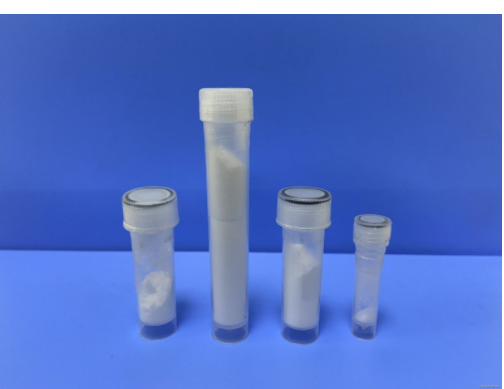

![6,8-Dioxo-5,7-diazaspiro[3.4]octane-2-carboxylic acid](https://eimg.pharmasources.com/image/product/20250403/02effeb5a7639bc84ff1f3add3c0c64fjpg)
![8-Oxa-1,3-diazaspiro[4.5]decane-2,4-dione](https://eimg.pharmasources.com/image/product/20250403/60fa7223d5a34f24138486ceea0ffb15jpg)
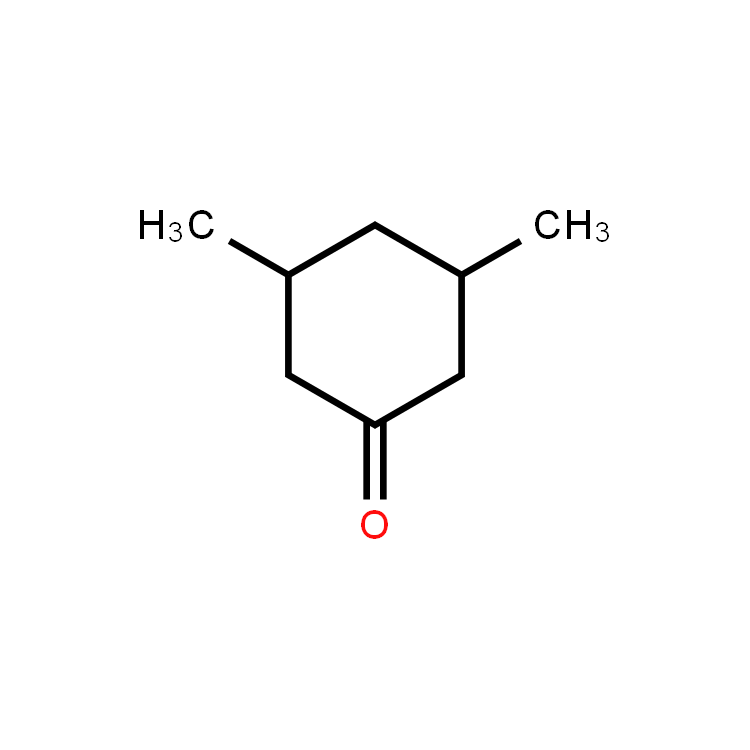
![8,16-Diazadispiro[6.1.6.2]heptadecan-17-one](https://eimg.pharmasources.com/image/product/20250403/ca91cba8b87e53fc879f8d8764873a40jpg)