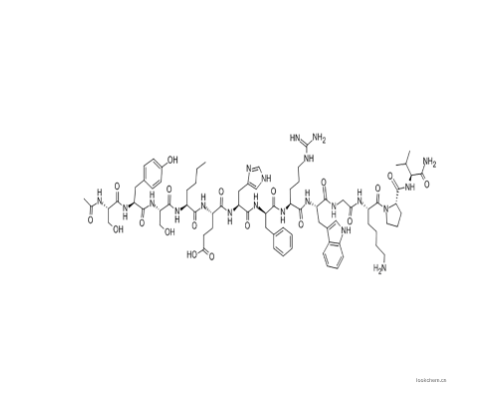
Product name: Acetyl four peptide - 5 / eye ammonia silk peptide English name: Acetyl Tetrapeptide - 5;
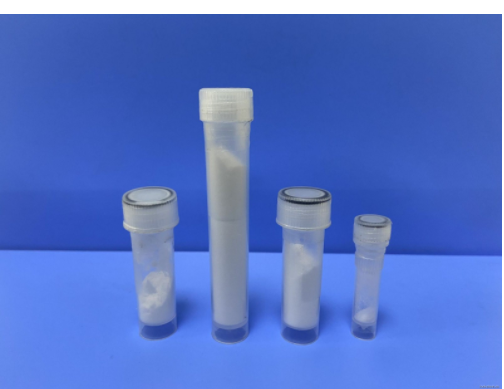
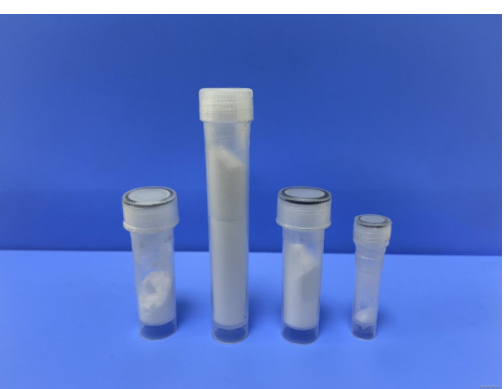
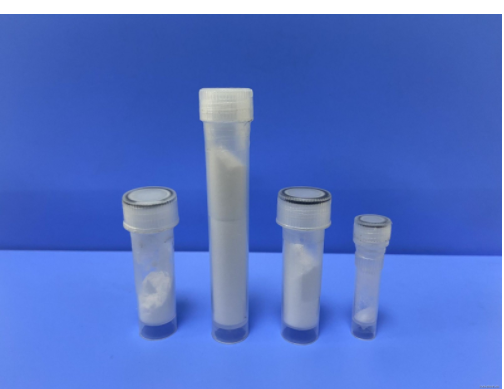
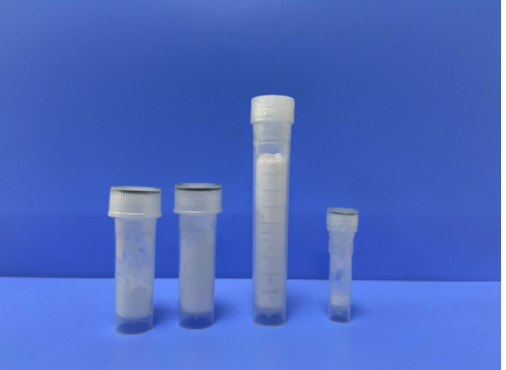
EyeserylCAS No. : 820959-17-9 product standards: characteristics of white powder molecular weight 492.47 specification: 1 g, 10 g, 50 g, 100 g/bottle [role] eyes ammonia silk peptide: remove pouch oligopeptide, with functions of anti edema and is widely used for removing strong active peptide.
*The following content is generated by AI and is for reference only.
The compound described by the partial name "(2S)-2-[[(2S)-2-[[(2S)-2-(3-acetamido" corresponds to a specific tripeptide segment, most likely Acetyl-L-Alanyl-L-Alanyl-L-Alanine or a closely related derivative within the class of N-acetylated alanyl peptides. While the full systematic name is truncated in your query, the structural pattern indicates a chain of three L-alanine residues with an acetyl group at the N-terminus and an acetamido group on one side chain, though standard alanine does not possess an acetamido side chain; this suggests the query might refer to N-acetyl-L-alanyl-L-glutaminyl-L-alanine or a similar peptide where "acetamido" describes the N-terminal protection or a modified residue like N-acetylglutamine. Assuming the context refers to a generic N-acetylated tripeptide of biological significance, such compounds are widely utilized in pharmaceutical and cosmetic research.
These peptides serve as critical building blocks for synthesizing complex bioactive molecules and are extensively studied for their role in skin barrier function and hydration. In the cosmetic industry, derivatives resembling this structure are prized for their ability to stimulate collagen production, reduce wrinkle depth, and improve skin elasticity. They act as signaling molecules that interact with fibroblasts to promote tissue repair. In pharmaceutical applications, such oligopeptides are investigated for their potential as enzyme inhibitors, anti-inflammatory agents, or carriers for drug delivery systems due to their high biocompatibility and low toxicity profile. The (2S) stereochemistry ensures they mimic natural protein structures found in the human body, facilitating better absorption and metabolic integration.
Regarding identification, while the exact CAS number depends on the complete sequence and specific modifications, similar tripeptides typically fall under registry numbers beginning with 10xxxxxx or 20xxxxxx ranges depending on the precise substitution. For instance, N-acetyl-L-alanyl-L-alanine has distinct identifiers, but the specific trimer requires the full IUPAC name for a definitive lookup. These products are generally supplied as white to off-white crystalline powders, soluble in water and polar organic solvents like DMSO. Researchers utilize them in vitro assays to study cell proliferation and in vivo models to evaluate dermatological efficacy. Their stability makes them suitable for inclusion in serums, creams, and injectable formulations aimed at anti-aging therapies. As demand for peptide-based therapeutics grows, understanding the precise structural nuances of these molecules remains essential for optimizing their therapeutic index and commercial viability across diverse medical and beauty sectors.






 (All Rights Reserved)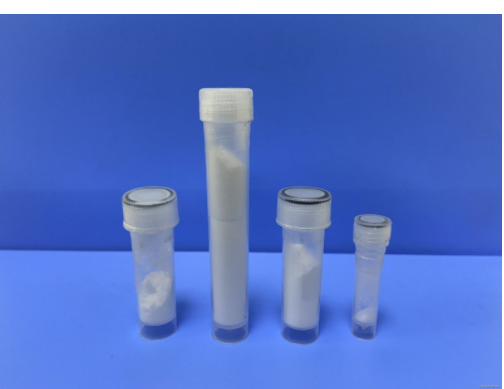

![8,16-Diazadispiro[6.1.6.2]heptadecan-17-one](https://eimg.pharmasources.com/image/product/20250403/ca91cba8b87e53fc879f8d8764873a40jpg)
![6,8-Dioxo-5,7-diazaspiro[3.4]octane-2-carboxylic acid](https://eimg.pharmasources.com/image/product/20250403/02effeb5a7639bc84ff1f3add3c0c64fjpg)
![8-Oxa-1,3-diazaspiro[4.5]decane-2,4-dione](https://eimg.pharmasources.com/image/product/20250403/60fa7223d5a34f24138486ceea0ffb15jpg)
