Product Description
Pesticide intermediate, intermediate of pesticide oxazolyloxalamine [256412-89-2]/ prooxazolium [71238-80-2]
AI Product Description
*The following content is generated by AI and is for reference only.
2,6-Dichlorobenzoxazole is a specialized heterocyclic compound widely recognized in the fields of organic synthesis and medicinal chemistry. Its molecular formula is C7H3Cl2NO, corresponding to a molar mass of approximately 184.01 g/mol. The Chemical Abstracts Service (CAS) Registry number for this substance is 598-69-8. Structurally, it consists of a benzoxazole core substituted with chlorine atoms at the second and sixth positions on the benzene ring. This specific substitution pattern significantly influences its electronic properties, making it an excellent electrophilic building block for further chemical modifications.
The primary utility of 2,6-dichlorobenzoxazole lies in its role as a versatile intermediate in the pharmaceutical industry. It serves as a crucial precursor for synthesizing complex bioactive molecules, particularly those intended as kinase inhibitors, anti-inflammatory agents, and potential anticancer drugs. The presence of two reactive chloro groups allows chemists to perform nucleophilic aromatic substitution reactions efficiently. By replacing these chlorine atoms with various amines or other nucleophiles, researchers can rapidly generate diverse libraries of compounds to screen for biological activity. Furthermore, this molecule finds applications in materials science, specifically in the development of luminescent dyes and organic light-emitting diodes (OLEDs), where its rigid aromatic structure contributes to desirable optical properties.
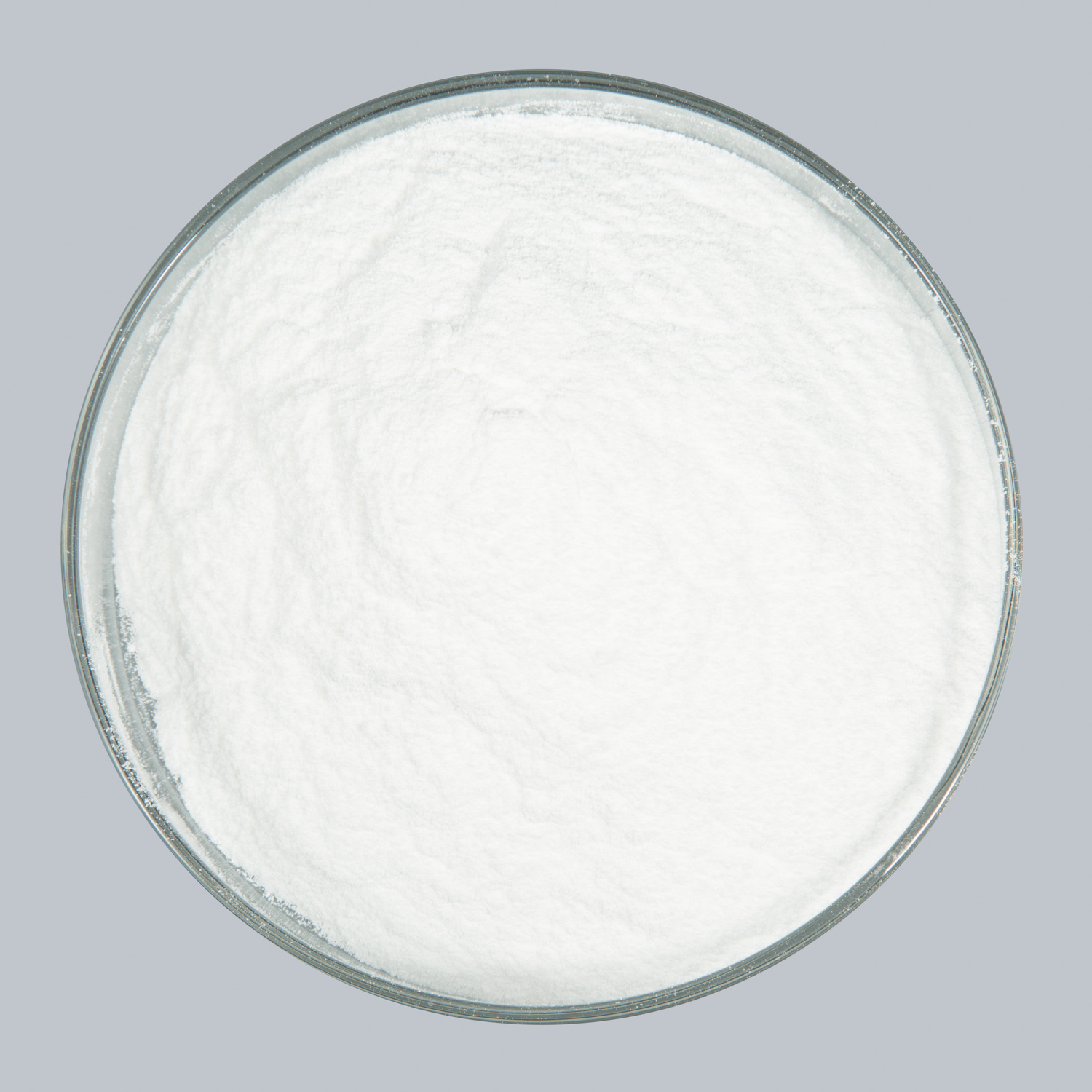
Handling 2,6-dichlorobenzoxazole requires standard laboratory safety precautions due to its potential irritant nature. While not currently a bulk commodity, its value remains high in research and development settings focused on drug discovery. The compound is typically supplied as a white to off-white crystalline solid, stable under normal storage conditions but sensitive to strong bases which may induce hydrolysis. As global demand for novel therapeutic agents grows, derivatives of 2,6-dichlorobenzoxazole continue to attract significant scientific attention. Their ability to modulate specific biological targets makes them indispensable tools for modern chemists aiming to solve unmet medical needs. Consequently, understanding the physical and chemical characteristics of this heterocycle is essential for anyone engaged in advanced organic synthesis or medicinal chemistry research.






 (All Rights Reserved)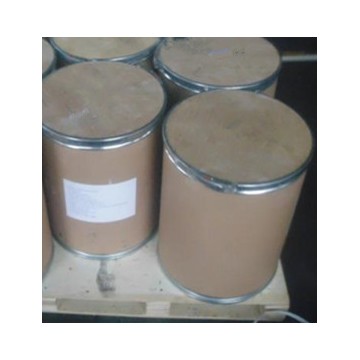





![6,8-Dioxo-5,7-diazaspiro[3.4]octane-2-carboxylic acid](https://eimg.pharmasources.com/image/product/20250403/02effeb5a7639bc84ff1f3add3c0c64fjpg)

![8-Oxa-1,3-diazaspiro[4.5]decane-2,4-dione](https://eimg.pharmasources.com/image/product/20250403/60fa7223d5a34f24138486ceea0ffb15jpg)


![8,16-Diazadispiro[6.1.6.2]heptadecan-17-one](https://eimg.pharmasources.com/image/product/20250403/ca91cba8b87e53fc879f8d8764873a40jpg)
