Product Description
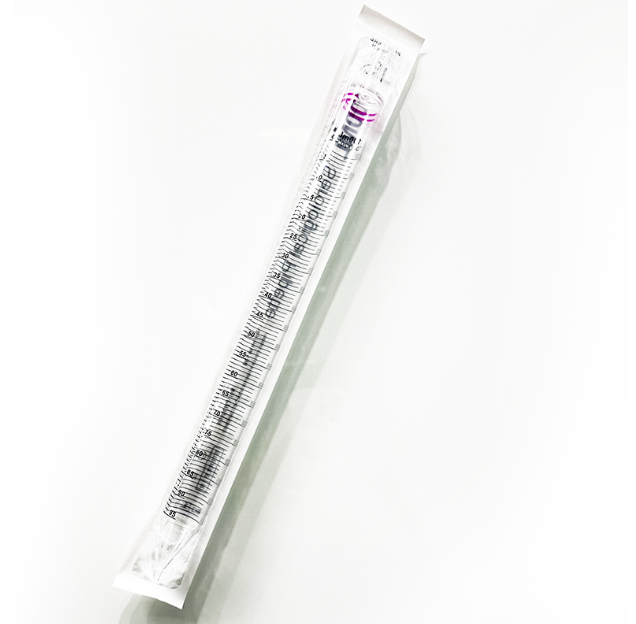
Serological pipettes are made of high-purity materials, with clear and accurate scales, which are
convenient and quick to read the pipetting volume. They are widely used in cell culture, bacterial
culture, clinical, scientifific research and other biological fifields. Compatible with most pipettes on
the market. There are 6 types of serological pipettes: 1ml, 2ml, 5ml, 10ml, 25ml, 46ml. The pipette is
independently packaged in peel pack, which is convenient for using.
AI Product Description
*The following content is generated by AI and is for reference only.
Sterile serological pipettes are essential laboratory tools designed for the precise measurement and transfer of liquid volumes, typically ranging from 1 milliliter to 100 milliliter. These transparent plastic tubes feature calibrated markings along their length, allowing researchers to accurately dispense specific quantities of reagents, cell cultures, or biological samples with high reliability. Constructed from medical-grade polystroprene or similar polymers, they offer excellent clarity and chemical resistance, ensuring that the integrity of the transferred substance remains uncompromised during handling. The tapered tip design facilitates smooth aspiration and dispensing, while the integrated bulb or top opening allows for easy attachment to electronic pipetting aids or manual bulbs.
These instruments are widely utilized in microbiology, molecular biology, clinical diagnostics, and pharmaceutical research. Their primary function is to minimize cross-contamination when working with sensitive biological materials. To maintain sterility, most units arrive individually wrapped in sterile packaging, which must be opened immediately before use within a laminar flow hood or biosafety cabinet. A critical safety consideration is the strict prohibition against mouth pipetting; users must always employ mechanical pipetting devices to prevent accidental ingestion of hazardous substances. Furthermore, once used, these single-use items should never be reused or sterilized, as the material can degrade, and residual contaminants may compromise future experiments. Proper disposal involves placing them into designated biohazard sharps containers or regular waste bins depending on local regulations and the nature of the fluid handled. Users should also verify the calibration accuracy periodically and avoid applying excessive force during aspiration to prevent breakage or volume errors. By adhering to standard operating procedures, laboratories can ensure data consistency, operator safety, and optimal experimental outcomes across diverse scientific applications.





 (All Rights Reserved)