Product Description
Pharmaceutical
Raw Materials and Intermediates
AI Product Description
*The following content is generated by AI and is for reference only.
2,5-Dibromopyridine is a vital heterocyclic building block widely utilized in organic synthesis and pharmaceutical research. Its molecular formula is C₅H₃Br₂N, featuring a pyridine ring substituted with bromine atoms at the second and fifth positions. The compound carries the CAS number 136-47-8. Structurally, it combines the electron-deficient nature of the pyridine nitrogen with the reactive carbon-bromine bonds, making it an excellent substrate for palladium-catalyzed cross-coupling reactions such as Suzuki-Miyaura, Stille, and Sonogashira couplings.
In the pharmaceutical industry, 2,5-Dibromopyridine serves as a key intermediate for synthesizing complex biologically active molecules. It is frequently employed to construct drug candidates targeting neurological disorders, inflammation, and cancer due to its ability to form diverse heterocyclic scaffolds. Researchers leverage its reactivity to introduce various functional groups, including alkyl chains, aryl rings, or alkyne moieties, thereby creating libraries of compounds for high-throughput screening. Additionally, this chemical plays a significant role in the development of advanced materials, including conductive polymers and organic light-emitting diodes (OLEDs), where precise structural modification is essential for tuning electronic properties.
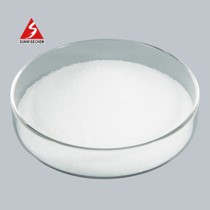
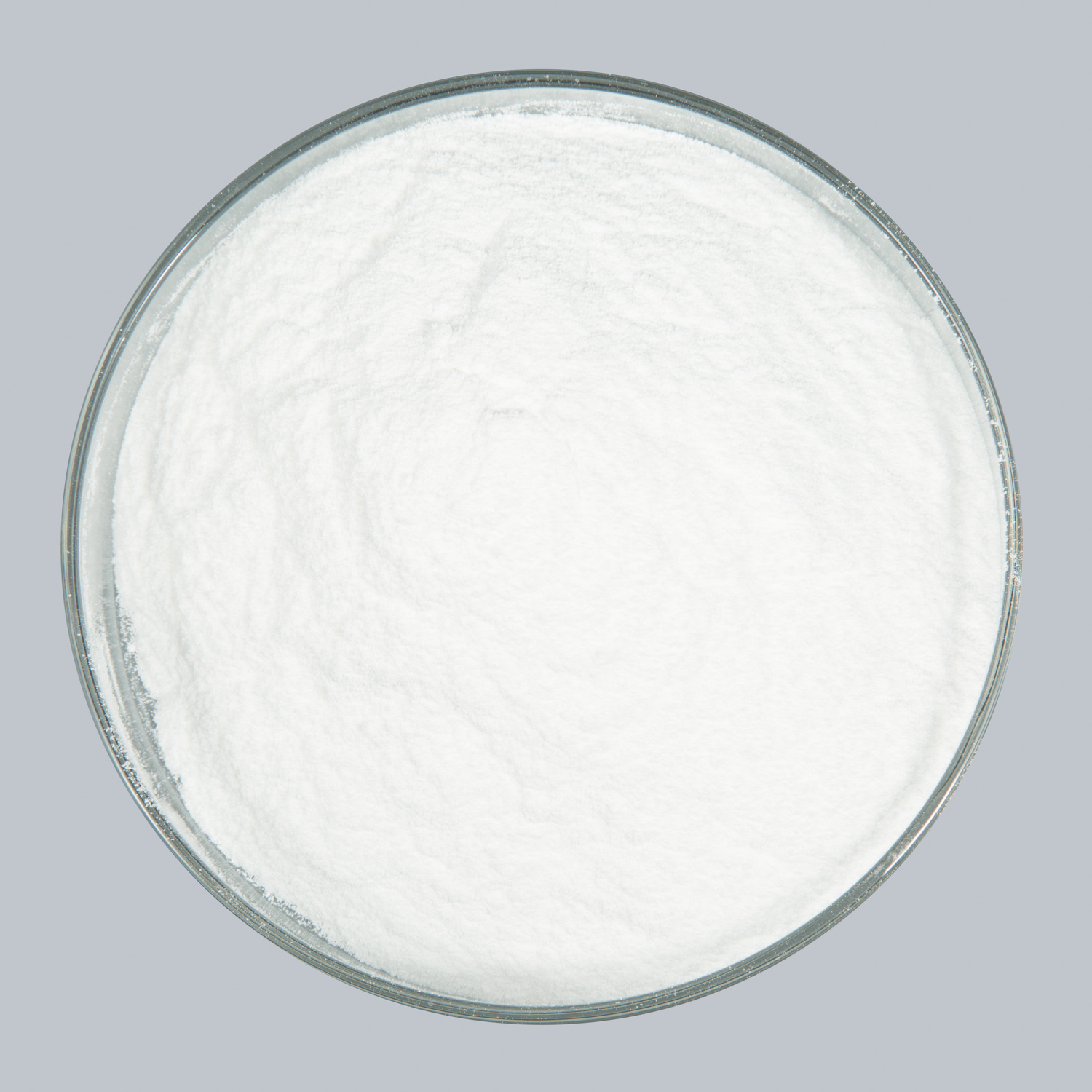
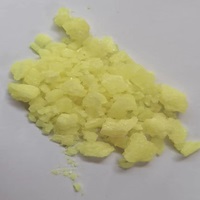
The compound appears as a pale yellow to white crystalline solid under standard conditions. While stable, it requires careful handling as it can be harmful if swallowed or inhaled and may cause skin irritation. Proper storage involves keeping the container tightly sealed in a cool, dry, and well-ventilated area away from incompatible oxidizing agents. Its commercial availability supports both academic investigations and industrial-scale production processes. As the demand for novel heterocyclic compounds grows in medicinal chemistry and material science, 2,5-Dibromopyridine remains an indispensable reagent for chemists aiming to innovate new therapeutic agents and functional materials. Its versatility ensures continued relevance in modern synthetic strategies across multiple scientific disciplines.





 (All Rights Reserved)
![6,8-Dioxo-5,7-diazaspiro[3.4]octane-2-carboxylic acid](https://eimg.pharmasources.com/image/product/20250403/02effeb5a7639bc84ff1f3add3c0c64fjpg)
![8,16-Diazadispiro[6.1.6.2]heptadecan-17-one](https://eimg.pharmasources.com/image/product/20250403/ca91cba8b87e53fc879f8d8764873a40jpg)
![8-Oxa-1,3-diazaspiro[4.5]decane-2,4-dione](https://eimg.pharmasources.com/image/product/20250403/60fa7223d5a34f24138486ceea0ffb15jpg)
