Product Description
Pharmaceutical
Raw Materials and Intermediates
AI Product Description
*The following content is generated by AI and is for reference only.
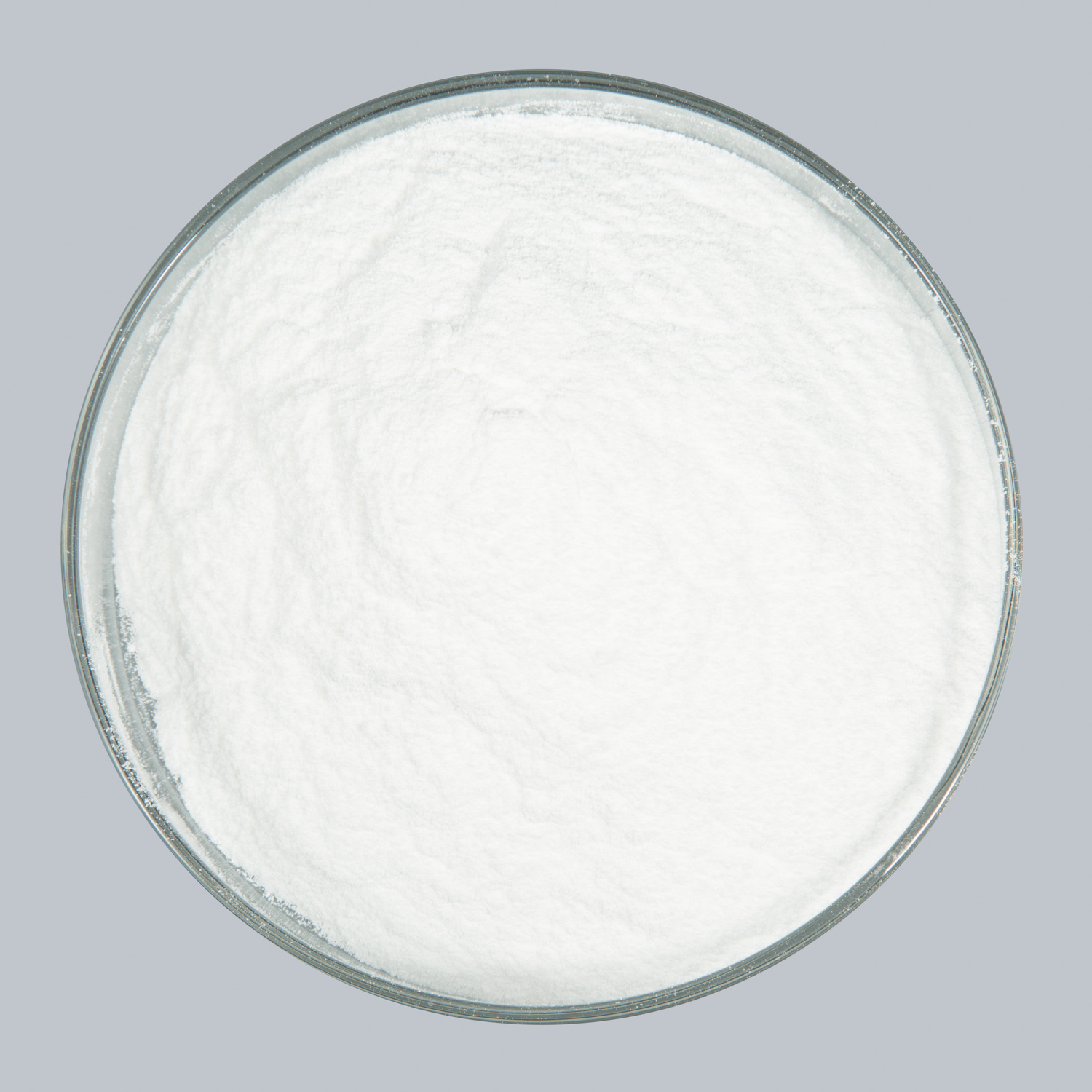
2,4,6-Trimethylbenzoyl chloride (TMBC) is a highly reactive acyl chloride derivative widely utilized in the fields of polymer chemistry, photochemistry, and organic synthesis. With the molecular formula C9H9ClO and a CAS registry number of 13078-35-0, this compound features a benzene ring substituted with three methyl groups at the 2, 4, and 6 positions and a chlorine atom at the 1 position. This specific substitution pattern creates significant steric hindrance around the carbonyl group, which imparts unique reactivity profiles compared to unsubstituted benzoyl chloride. The primary industrial application of TMBC lies in its role as a photoinitiator precursor. Upon exposure to ultraviolet light, it readily undergoes homolytic cleavage to generate free radicals, initiating the polymerization of various monomers and oligomers. Consequently, it is a critical component in UV-curable coatings, inks, adhesives, and dental composites where rapid curing under ambient conditions is essential. Furthermore, due to its enhanced stability and controlled radical generation, TMBC serves as an effective intermediate for synthesizing specialized polymers and high-performance materials. In organic synthesis, it acts as a versatile building block for introducing acyl groups into complex molecular structures, facilitating the creation of pharmaceuticals and fine chemicals. The compound typically appears as a colorless to pale yellow liquid or crystalline solid, possessing a sharp, pungent odor characteristic of acid chlorides. Handling requires strict safety protocols, as it reacts vigorously with moisture to release corrosive hydrogen chloride gas. Storage must be conducted in airtight containers under inert atmospheres to prevent hydrolysis and degradation. Its commercial availability makes it indispensable for researchers and manufacturers seeking efficient, high-yield reactions in both laboratory-scale experiments and large-scale industrial production processes involving UV-initiated systems.





 (All Rights Reserved)


![8-Oxa-1,3-diazaspiro[4.5]decane-2,4-dione](https://eimg.pharmasources.com/image/product/20250403/60fa7223d5a34f24138486ceea0ffb15jpg)
![8,16-Diazadispiro[6.1.6.2]heptadecan-17-one](https://eimg.pharmasources.com/image/product/20250403/ca91cba8b87e53fc879f8d8764873a40jpg)
![6,8-Dioxo-5,7-diazaspiro[3.4]octane-2-carboxylic acid](https://eimg.pharmasources.com/image/product/20250403/02effeb5a7639bc84ff1f3add3c0c64fjpg)



