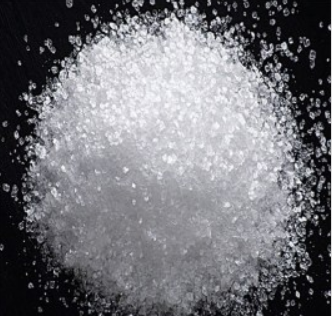
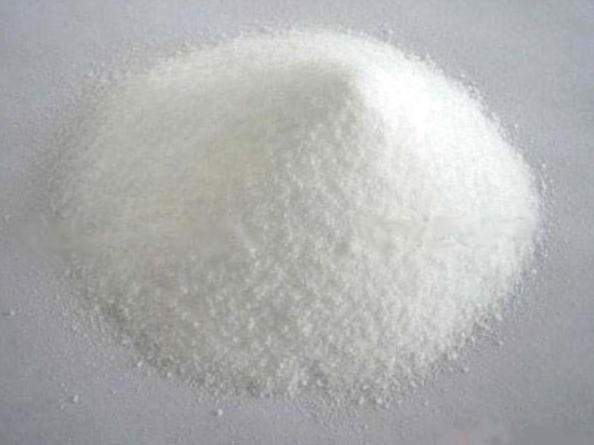
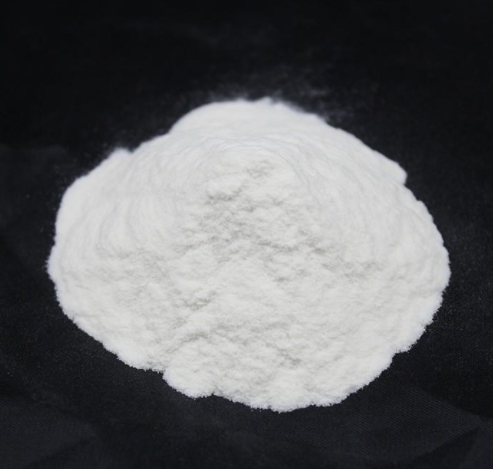
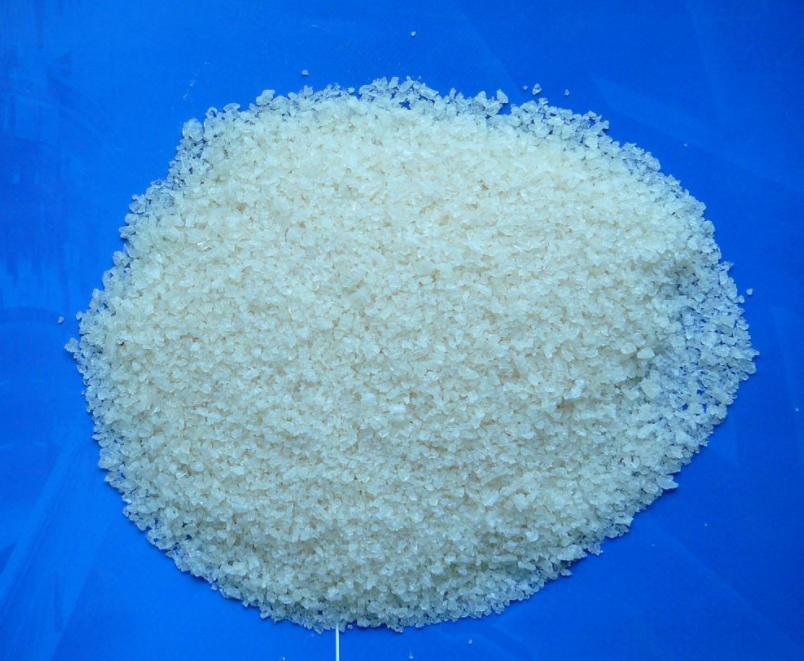
Synonyms:2,4,5,6-Tetraaminopyrimidine2HCL;pyriMidine-2,4,5,6-tetraMine dihydrochloride;2,4,5,6-TetraaMinopyriMidine diydrochloride;Pyrimidine-2,4,5,6-tetraamine dihydrochloride;2,4,5,6-Tetraaminopyrimidine dihydrochloride;Pyrimidinetetramine, hydrochloride
*The following content is generated by AI and is for reference only.
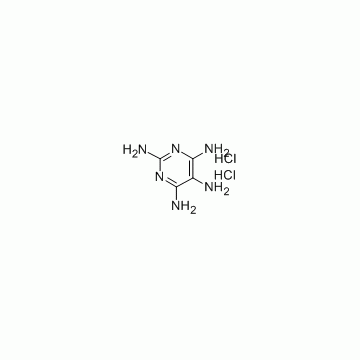
2,4,5,6-Tetraaminopyrimidine dihydrochloride is a specialized heterocyclic compound widely utilized in the fields of medicinal chemistry and materials science. With the molecular formula C₄H₁₂Cl₂N₆O (often represented as the hydrochloride salt of tetraaminopyrimidine), this substance serves as a critical building block for synthesizing complex pharmaceutical agents and advanced functional materials. Its primary structural feature involves a pyrimidine ring substituted with four amino groups at positions 2, 4, 5, and 6, which significantly enhances its nucleophilicity and reactivity toward various electrophiles. The dihydrochloride form ensures stability and improved solubility in aqueous environments compared to the free base, facilitating easier handling and storage in laboratory settings.
The principal application of 2,4,5,6-Tetraaminopyrimidine dihydrochloride lies in the development of novel antibiotics and anticancer therapeutics. Researchers leverage its unique amine-rich structure to construct diverse heterocyclic scaffolds, including fused-ring systems that exhibit potent biological activity against resistant bacterial strains or tumor cells. Furthermore, it acts as an essential precursor in the synthesis of fluorescent probes and chelating agents used in analytical chemistry and imaging technologies. In material science, derivatives of this compound are explored for their potential in creating coordination polymers and metal-organic frameworks (MOFs) with specific catalytic properties.
Although specific CAS registry numbers may vary slightly depending on the exact hydration state or purity grade, the core identity remains consistent across chemical databases. Safety protocols during handling require standard precautions due to its classification as a potentially irritant chemical; appropriate personal protective equipment, including gloves and eye protection, should always be worn. As demand grows for targeted drug delivery systems and high-performance organic electronics, this versatile pyrimidine derivative continues to attract significant attention from academic institutions and industrial R&D departments. Its ability to undergo controlled condensation reactions makes it indispensable for generating next-generation bioactive molecules. Consequently, 2,4,5,6-Tetraaminopyrimidine dihydrochloride stands out as a fundamental reagent driving innovation in both therapeutic discovery and advanced material engineering.





 (All Rights Reserved)