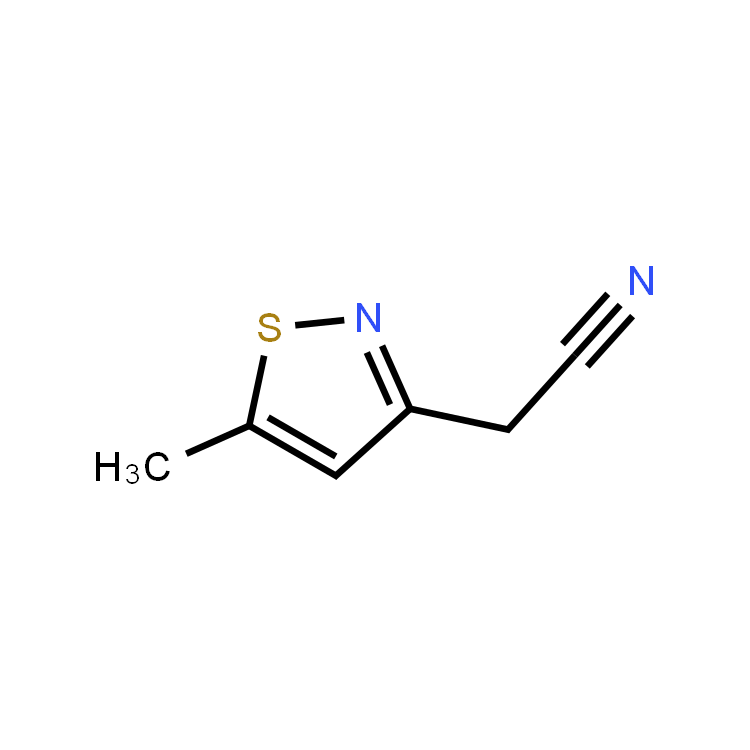
Product Description
Pharmaceutical
Raw Materials and Intermediates
AI Product Description
*The following content is generated by AI and is for reference only.
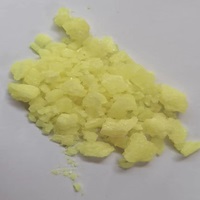
2,4-Dichloro-5-methylpyrimidine is a vital heterocyclic intermediate widely utilized in the pharmaceutical and agrochemical industries for the synthesis of complex nitrogen-containing compounds. With the Chemical Abstracts Service (CAS) registry number 19637-80-2, this compound features a pyrimidine ring substituted with two chlorine atoms at positions 2 and 4, and a methyl group at position 5. Its molecular formula is C5H4Cl2N2, corresponding to a molar mass of approximately 163.0 g/mol. The presence of highly reactive chloro groups makes it an excellent electrophilic substrate for nucleophilic substitution reactions, allowing chemists to introduce various amine, thiol, or alkoxy functionalities efficiently.
In the realm of medicinal chemistry, 2,4-dichloro-5-methylpyrimidine serves as a key building block for constructing bioactive scaffolds. It is frequently employed in the production of kinase inhibitors, antiviral agents, and antifungal drugs. The specific substitution pattern enables selective functionalization, where the chlorine atom at the 4-position is often more reactive than the one at the 2-position, facilitating stepwise synthesis of diverse derivatives. This selectivity is crucial for optimizing drug candidates with improved potency and metabolic stability.
Furthermore, this chemical plays a significant role in the development of agricultural products. It acts as a precursor for synthesizing herbicides and fungicides that target specific plant pathogens while minimizing environmental impact. The methyl group at the 5-position can influence the lipophilicity and biological activity of the final product, making structural modifications straightforward. Due to its stability under standard storage conditions and high reactivity during synthesis, it is preferred by researchers globally. Safety data indicates that while it is generally stable, it should be handled with care to avoid contact with strong bases or moisture, which could trigger hydrolysis. Overall, 2,4-dichloro-5-methylpyrimidine remains an indispensable tool in modern organic synthesis, bridging fundamental research with large-scale industrial applications for life-saving medicines and crop protection solutions.





 (All Rights Reserved)
![8,16-Diazadispiro[6.1.6.2]heptadecan-17-one](https://eimg.pharmasources.com/image/product/20250403/ca91cba8b87e53fc879f8d8764873a40jpg)

![6,8-Dioxo-5,7-diazaspiro[3.4]octane-2-carboxylic acid](https://eimg.pharmasources.com/image/product/20250403/02effeb5a7639bc84ff1f3add3c0c64fjpg)
![8-Oxa-1,3-diazaspiro[4.5]decane-2,4-dione](https://eimg.pharmasources.com/image/product/20250403/60fa7223d5a34f24138486ceea0ffb15jpg)