Product Description
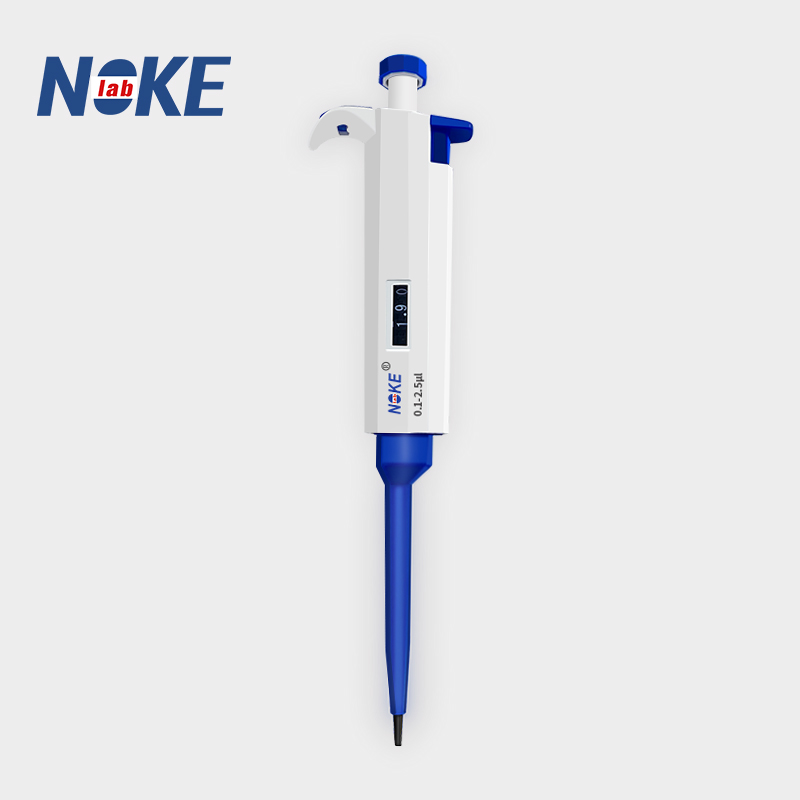
1. Lightweight, ergonomic, low force design
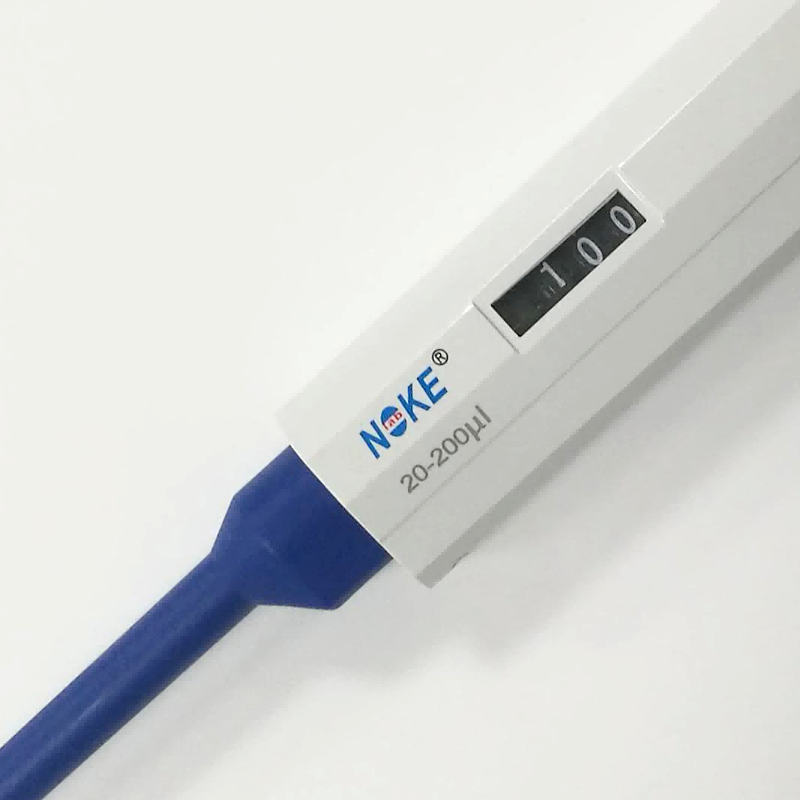
2. Digital display clearly reads volume setting
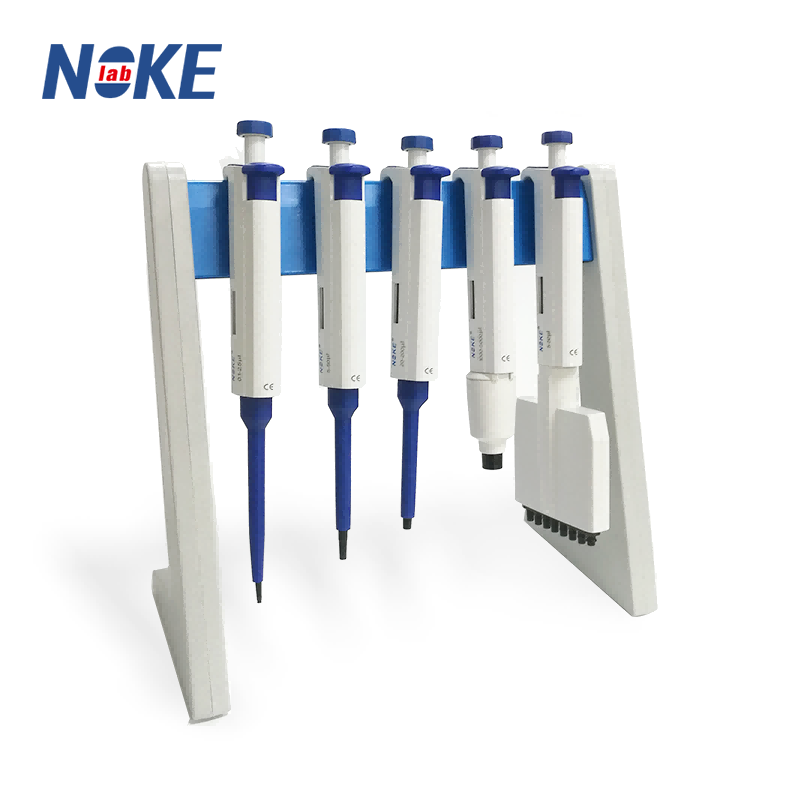
3. The pipettes cover volume range of 0.1μl to 10ml
4. Easy to calibrate and maintain with tool supplied
5. Design helps avoid repetitive strain injuries
6. Calibrated in accordance with ISO8655. Each pipette supplied with individual test certificate
7. The low part is available for autoclaving
AI Product Description
*The following content is generated by AI and is for reference only.
The product described is a standard laboratory micropipette, an essential precision instrument designed for the accurate measurement and transfer of small liquid volumes. Typically operating within a range of 20 to 200 microliters, this device serves as a cornerstone in biological, chemical, and medical research laboratories. Its primary function involves aspirating and dispensing liquids with high repeatability and accuracy, ensuring experimental integrity when handling reagents, cell cultures, DNA samples, or diagnostic fluids. The ergonomic "pipette shape" mentioned refers to the specific handle design engineered to minimize user fatigue during repetitive tasks, often featuring a lightweight body, a smooth trigger mechanism, and a secure tip ejection system that accommodates various disposable tips.
These instruments are critical for applications such as PCR setup, ELISA assays, serial dilutions, and general solution preparation where volume consistency is paramount. Users must adhere to strict operational protocols to maintain performance. First, the pipette should always be held vertically during aspiration and dispensing to ensure gravity does not affect the air displacement mechanism. Second, pre-wetting the tip by aspirating and dispensing the liquid multiple times before the final draw helps condition the inner walls, significantly reducing evaporation errors and improving accuracy for volatile solvents. Third, avoiding contact between the piston and the liquid prevents contamination and damage to the internal seal. Regular calibration is also mandatory; environmental factors like temperature fluctuations can alter air density, affecting volume delivery. Furthermore, users must never lay the pipette down horizontally while holding liquid inside, as backflow can corrode the internal components. Proper storage in a dedicated stand at room temperature preserves the spring tension and electronic settings (if digital). By following these guidelines, researchers ensure the longevity of the device and the reliability of their data, making it an indispensable tool for modern scientific inquiry.





 (All Rights Reserved)