Product Description
Pharmaceutical
Raw Materials and Intermediates
AI Product Description
*The following content is generated by AI and is for reference only.
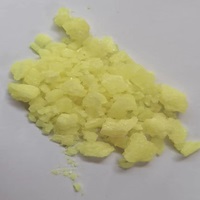
2-Ethyl-3-methoxybenzoic acid is a specialized organic compound belonging to the family of substituted benzoic acids. With the molecular formula C10H12O3 and a precise molecular weight of approximately 180.20 g/mol, this substance features a benzene ring substituted with an ethyl group at the second position and a methoxy group at the third position, alongside the carboxylic acid functional group. The specific arrangement of these substituents significantly influences its chemical reactivity, solubility profile, and potential biological interactions compared to unsubstituted benzoic acid.
The CAS registry number for 2-Ethyl-3-methoxybenzoic acid is 6975-24-6, which serves as the unique identifier for researchers and regulatory bodies worldwide. While not a commodity chemical found in everyday consumer goods, it holds significant value within the realms of pharmaceutical research and fine chemical synthesis. Its primary application lies in the development of novel drug candidates, where it often serves as a crucial intermediate or building block. Medicinal chemists utilize such substituted benzoic acids to construct complex heterocyclic systems or to modify the pharmacokinetic properties of lead compounds, particularly by enhancing lipophilicity or altering metabolic stability.
In materials science, derivatives of this compound may be explored for use in polymer chemistry, potentially acting as monomers or cross-linking agents to create polymers with specific thermal or mechanical characteristics. Furthermore, due to the presence of the methoxy and ethyl groups, it offers a versatile platform for further chemical modification, allowing for esterification, amide formation, or halogenation reactions. This versatility makes it an essential tool in laboratory settings dedicated to structure-activity relationship (SAR) studies. Although large-scale industrial applications are currently limited, ongoing research into its derivative profiles suggests future utility in agrochemicals or advanced functional materials. Safety protocols during handling typically involve standard precautions for organic acids, including protection against skin irritation and proper ventilation to avoid inhalation of dust or vapors. As a high-purity reagent, it is predominantly sourced from specialized chemical suppliers catering to the academic and biotechnology sectors rather than general industrial markets.




 (All Rights Reserved)
![8,16-Diazadispiro[6.1.6.2]heptadecan-17-one](https://eimg.pharmasources.com/image/product/20250403/ca91cba8b87e53fc879f8d8764873a40jpg)
![8-Oxa-1,3-diazaspiro[4.5]decane-2,4-dione](https://eimg.pharmasources.com/image/product/20250403/60fa7223d5a34f24138486ceea0ffb15jpg)
![6,8-Dioxo-5,7-diazaspiro[3.4]octane-2-carboxylic acid](https://eimg.pharmasources.com/image/product/20250403/02effeb5a7639bc84ff1f3add3c0c64fjpg)
