Product Description
Pharmaceutical
Raw Materials and Intermediates
AI Product Description
*The following content is generated by AI and is for reference only.
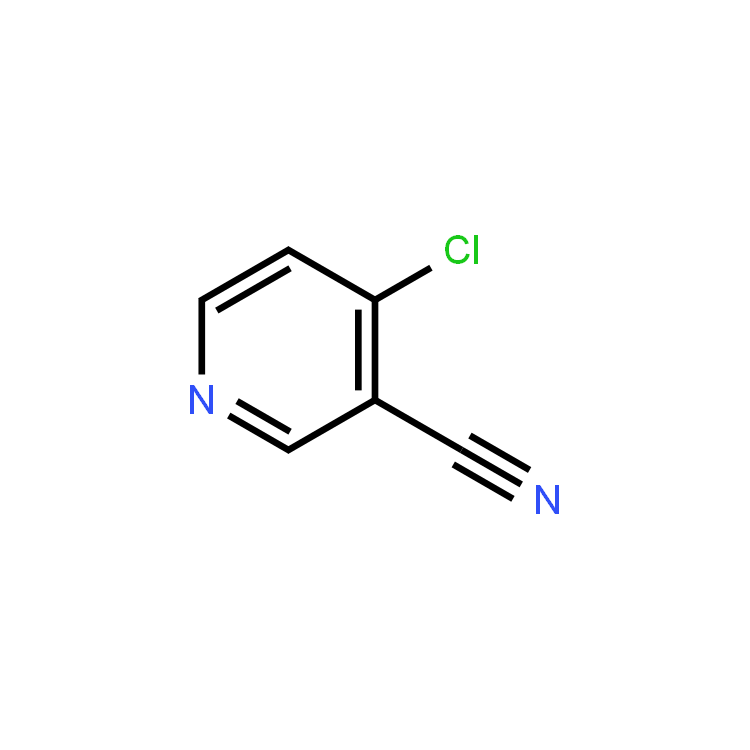
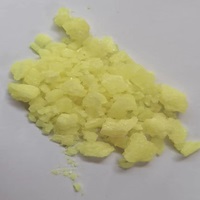
2-Deoxy-2,2-difluoro-D-erythro-pentafuranous-1-ulose-3,5-dibenzoate is a specialized fluorinated carbohydrate derivative widely utilized in advanced biochemical and medicinal chemistry research. With the molecular formula C₁₉H₁₆F₂O₇, this compound features a unique structural configuration where two fluorine atoms are substituted at the C-2 position of a D-erythro-pentofuranose backbone. The molecule exists as a furanose ring with benzoate ester groups protecting the hydroxyl functionalities at positions 3 and 5, while maintaining a ketone functionality at the anomeric carbon (C-1). Its specific stereochemistry and fluorination pattern make it an invaluable tool for studying enzyme mechanisms, particularly those involving glycosidases or phosphorylases that naturally process deoxy-sugars.
The primary application of this reagent lies in the synthesis of nucleotide analogs and the development of novel antiviral or anticancer agents. Fluorine substitution often enhances metabolic stability and alters the electronic properties of sugar moieties, which can significantly improve the binding affinity of drug candidates to their target proteins. Researchers frequently employ this compound as a key intermediate in the preparation of fluorinated nucleosides, which serve as potent inhibitors for viral replication enzymes such as HIV reverse transcriptase or hepatitis B virus polymerase. Furthermore, its rigidified furanose structure provides a stable scaffold for investigating conformational dynamics within biological systems.
In laboratory settings, high-purity samples of 2-Deoxy-2,2-difluoro-D-erythro-pentafuranous-1-ulose-3,5-dibenzoate are essential for conducting precise mechanistic studies. While the compound does not possess a standard commercial CAS number due to its status as a custom synthetic intermediate rather than a bulk commodity chemical, it is cataloged by major chemical suppliers under specific research-grade identifiers. Handling requires standard organic synthesis precautions, including protection from moisture and light, to preserve the integrity of the acetal and ester bonds. As the demand for fluorinated therapeutics grows, derivatives like this one continue to play a pivotal role in accelerating drug discovery pipelines, offering chemists a versatile platform to engineer molecules with optimized pharmacokinetic profiles and enhanced biological activity.





 (All Rights Reserved)
![8,16-Diazadispiro[6.1.6.2]heptadecan-17-one](https://eimg.pharmasources.com/image/product/20250403/ca91cba8b87e53fc879f8d8764873a40jpg)
![6,8-Dioxo-5,7-diazaspiro[3.4]octane-2-carboxylic acid](https://eimg.pharmasources.com/image/product/20250403/02effeb5a7639bc84ff1f3add3c0c64fjpg)
![8-Oxa-1,3-diazaspiro[4.5]decane-2,4-dione](https://eimg.pharmasources.com/image/product/20250403/60fa7223d5a34f24138486ceea0ffb15jpg)