Product Description
Pharmaceutical
Raw Materials and Intermediates
AI Product Description
*The following content is generated by AI and is for reference only.
2-Chloro-6-Cyanopyridine, identified by the CAS number 34950-87-5, is a versatile heterocyclic building block widely utilized in organic synthesis and pharmaceutical research. Its molecular formula is C₆H₃ClN₂, featuring a pyridine ring substituted with a chlorine atom at the second position and a cyano group at the sixth position. This unique structural arrangement renders the molecule highly reactive toward nucleophilic substitution reactions, particularly at the C-2 carbon where the chlorine atom serves as an excellent leaving group. Consequently, it acts as a crucial intermediate for constructing complex nitrogen-containing heterocycles, which are fundamental components of numerous bioactive compounds.
In the pharmaceutical industry, 2-chloro-6-cyanopyridine is extensively employed in the synthesis of kinase inhibitors, anti-inflammatory agents, and various agrochemicals. The presence of both the electron-withdrawing cyano group and the halogen substituent significantly enhances its electrophilicity, facilitating efficient coupling with amines, thiols, and other nucleophiles under mild conditions. Researchers frequently utilize this compound to develop novel drug candidates targeting specific disease pathways, leveraging its ability to form diverse scaffold structures through cross-coupling reactions such as Suzuki-Miyaura or Buchwald-Hartwig amination.
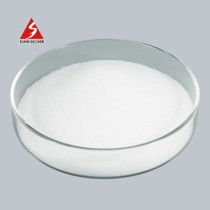
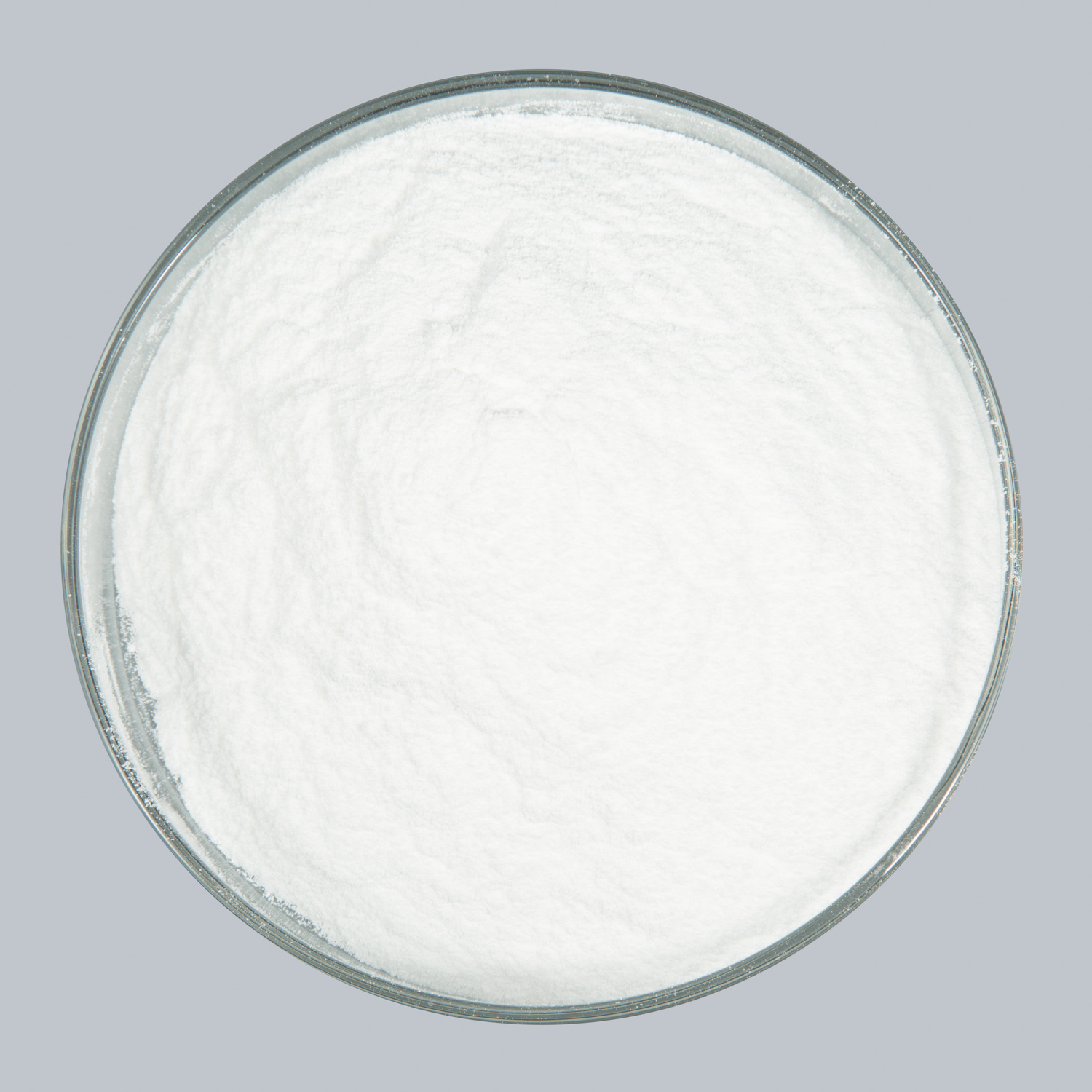
Beyond medicinal chemistry, this reagent finds applications in materials science, serving as a precursor for functional polymers and luminescent materials due to its conjugated system. Its stability under standard storage conditions makes it convenient for laboratory handling, though it should be managed with care as a potential irritant. The compound is typically supplied as a white to off-white crystalline solid, soluble in common organic solvents like dichloromethane, ethanol, and acetonitrile. As global demand for innovative therapeutic agents grows, 2-chloro-6-cyanopyridine remains an indispensable tool for chemists aiming to accelerate the discovery and optimization of next-generation small molecules. Its cost-effectiveness combined with high reactivity ensures its continued prominence in both academic investigations and industrial manufacturing processes focused on advanced chemical synthesis.





 (All Rights Reserved)
![6,8-Dioxo-5,7-diazaspiro[3.4]octane-2-carboxylic acid](https://eimg.pharmasources.com/image/product/20250403/02effeb5a7639bc84ff1f3add3c0c64fjpg)
![8,16-Diazadispiro[6.1.6.2]heptadecan-17-one](https://eimg.pharmasources.com/image/product/20250403/ca91cba8b87e53fc879f8d8764873a40jpg)
![8-Oxa-1,3-diazaspiro[4.5]decane-2,4-dione](https://eimg.pharmasources.com/image/product/20250403/60fa7223d5a34f24138486ceea0ffb15jpg)
