Product Description
Pharmaceutical
Raw Materials and Intermediates
AI Product Description
*The following content is generated by AI and is for reference only.
2-Amino-1-butanol is a versatile organic compound classified as a chiral amino alcohol, widely recognized for its significant role in pharmaceutical synthesis and fine chemical manufacturing. With the molecular formula C4H11NO and a CAS registry number of 5036-79-1, this colorless to pale yellow liquid possesses distinct physicochemical properties that make it an invaluable building block in modern chemistry. The molecule features both a primary amine group and a primary hydroxyl group attached to a butane chain, creating a unique structural motif that facilitates diverse chemical reactions including esterification, amidation, and alkylation.
The primary application of 2-amino-1-butanol lies in the production of complex heterocyclic compounds, particularly within the pharmaceutical industry. It serves as a critical intermediate for synthesizing various beta-blockers, which are essential cardiovascular medications used to treat hypertension and heart conditions. Furthermore, this compound is extensively utilized in the development of agrochemicals, acting as a precursor for specific herbicides and fungicides designed to enhance crop protection and yield. In materials science, it finds utility in the formulation of specialized corrosion inhibitors and surfactants due to its amphiphilic nature, allowing it to interact effectively with both polar and non-polar environments.
From a safety perspective, handling 2-amino-1-butanol requires standard precautions typical for amines and alcohols. It is generally considered corrosive to skin and eyes and may cause respiratory irritation if inhaled. Proper personal protective equipment, including gloves, goggles, and lab coats, is mandatory during storage and processing. While not highly volatile, adequate ventilation is recommended to prevent accumulation of vapors. The compound is soluble in water and common organic solvents, facilitating its integration into various synthetic pathways. Its ability to exist in different enantiomeric forms also makes it a subject of interest in asymmetric synthesis research, where specific stereochemistry is crucial for biological activity. Overall, 2-amino-1-butanol remains a cornerstone reagent bridging basic organic synthesis with advanced industrial applications, supporting innovation across multiple high-tech sectors globally.

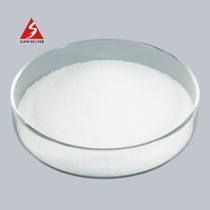




 (All Rights Reserved)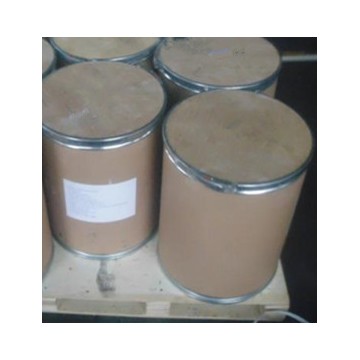
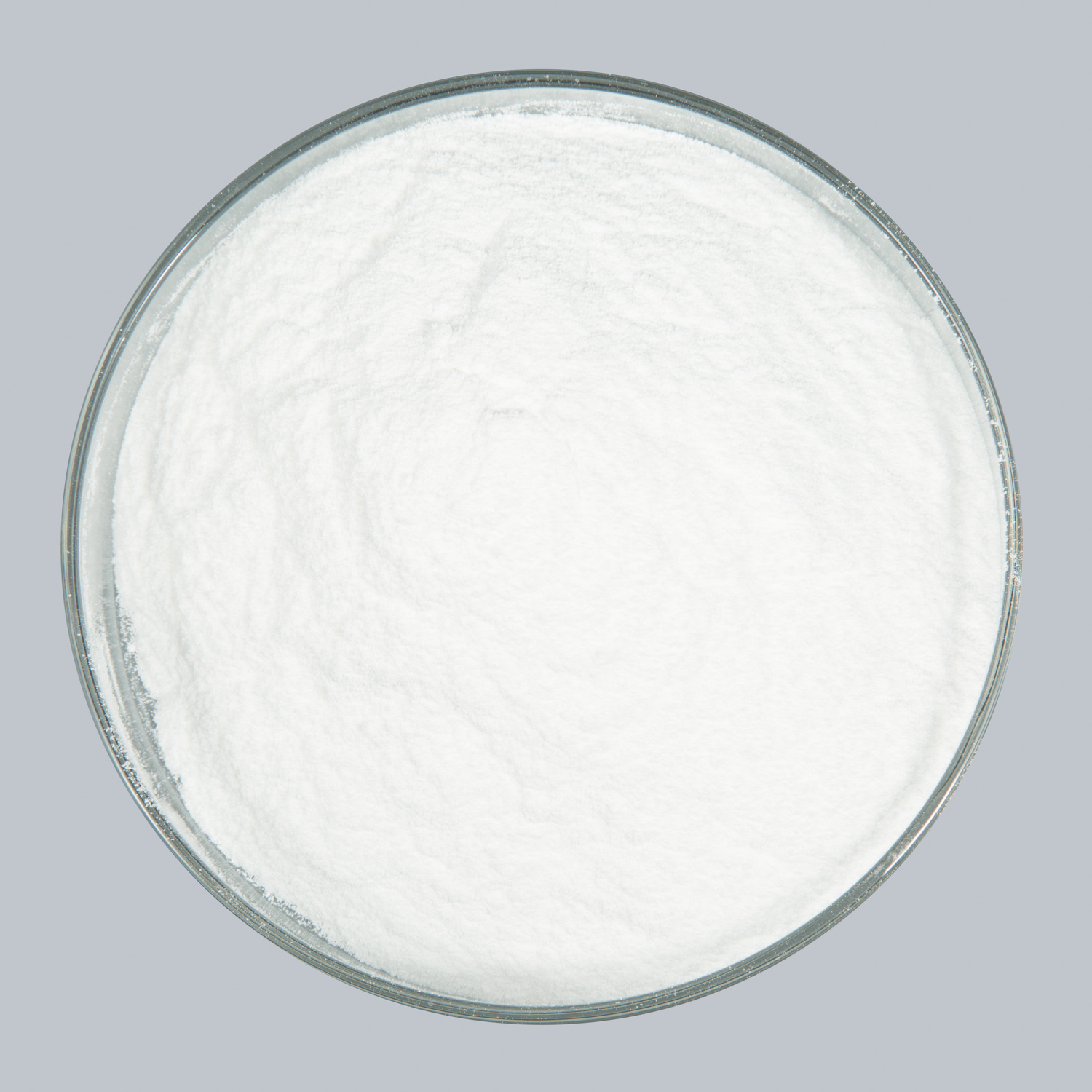
![6,8-Dioxo-5,7-diazaspiro[3.4]octane-2-carboxylic acid](https://eimg.pharmasources.com/image/product/20250403/02effeb5a7639bc84ff1f3add3c0c64fjpg)
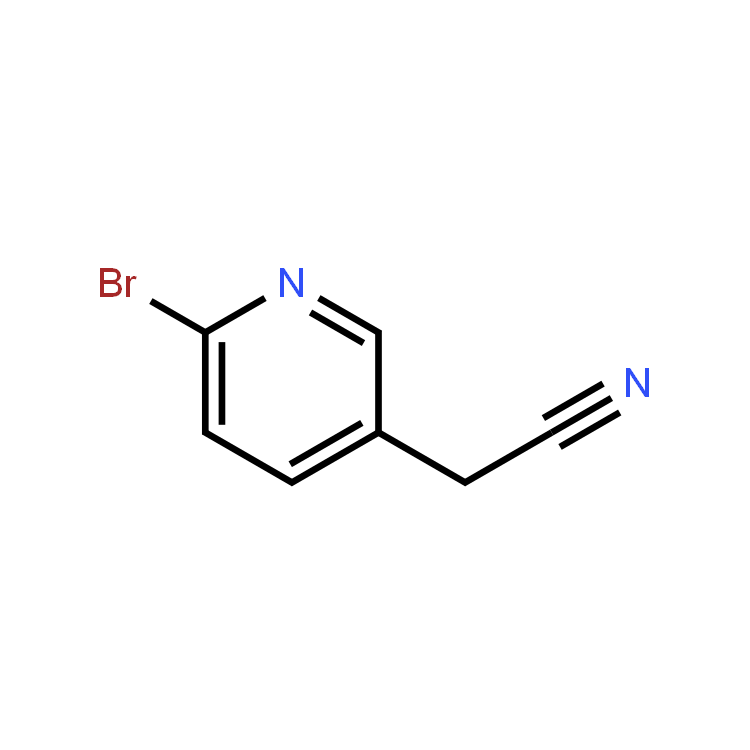
![8,16-Diazadispiro[6.1.6.2]heptadecan-17-one](https://eimg.pharmasources.com/image/product/20250403/ca91cba8b87e53fc879f8d8764873a40jpg)
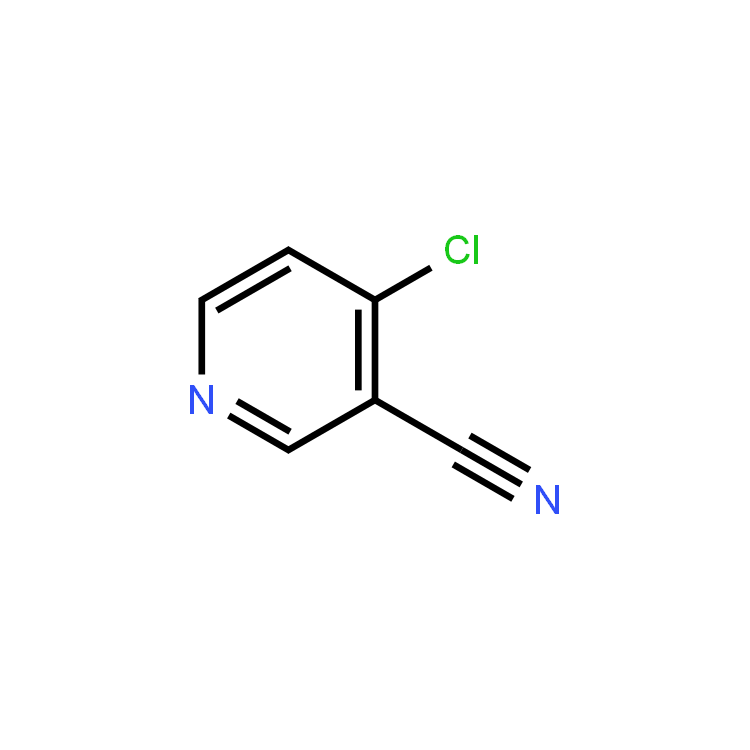
![8-Oxa-1,3-diazaspiro[4.5]decane-2,4-dione](https://eimg.pharmasources.com/image/product/20250403/60fa7223d5a34f24138486ceea0ffb15jpg)
