Product Description
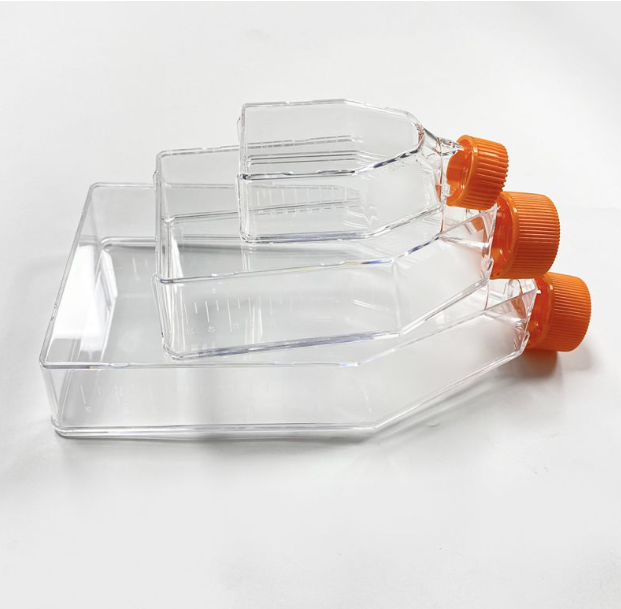
Using pure polystyrene(ps) raw materials in line with USP-Class VI standard, GMP 100,000 clean workshop production. 2 types of lids, sealed lids and vented lids. There is a frosted writing area on the side of the culture bottle neck and a volume scale on the side for easy identifification. Stackable design, easy to stack, not easy to slip. No pyrogen, no endotoxin, no cytotoxicity Irradiation Sterilization, SAL 10-6
AI Product Description
*The following content is generated by AI and is for reference only.
The 175 cm² sealed cap laboratory volumetric plant cell tissue culture flask is a specialized vessel designed primarily for the propagation and maintenance of plant cells, tissues, and suspension cultures in controlled laboratory environments. Its primary function is to provide an optimal growth surface area while ensuring sterility and efficient gas exchange, which are critical factors for successful tissue culture experiments. The flask features a distinctive volumetric marking system, allowing researchers to accurately measure liquid volumes without the need for additional measuring tools, thereby enhancing experimental precision and reproducibility.
The sealed cap design serves as a crucial barrier against microbial contamination, maintaining a sterile environment essential for sensitive plant cultures that are prone to bacterial or fungal infections. Unlike standard flasks with loose caps, these units often incorporate filters or specialized sealing mechanisms that permit necessary gas diffusion (oxygen in, carbon dioxide out) while preventing airborne contaminants from entering. This balance is vital for maintaining healthy metabolic activity within the culture medium.
When utilizing this equipment, several precautions must be observed to ensure safety and data integrity. First, all handling procedures should strictly adhere to aseptic techniques performed within a laminar flow hood to minimize contamination risks. Second, during sterilization via autoclaving, users must verify that the specific cap material can withstand high temperatures and pressures; improper heating may compromise the seal or deform the plastic. Third, when adding or removing media, care must be taken not to damage the internal surface or the filter membrane, as scratches can harbor microbes. Finally, proper disposal protocols should be followed after use, especially if cultures involve genetically modified organisms or hazardous chemicals. Regular inspection for cracks or cloudiness is also recommended before each use to guarantee structural integrity. By following these guidelines, researchers can maximize the efficiency and reliability of their plant cell culture studies using this versatile laboratory tool.





 (All Rights Reserved)