Product Description
The scale is clear and accurate, easy to identify the pipetting volume. Difffferent color ring marks,easy to identify the pipette volume. Bidirectional scale line and negative scale line design, providing customers with a variety of quantitative pipetting operations. Individually peel pack ensures safety and sterility. Ultra-pure polystyrene material, in line with USP VI standard perfectly adapt to mainstream pipettes on the market. Sterility Assurance Level SAL 10-6.
AI Product Description
*The following content is generated by AI and is for reference only.
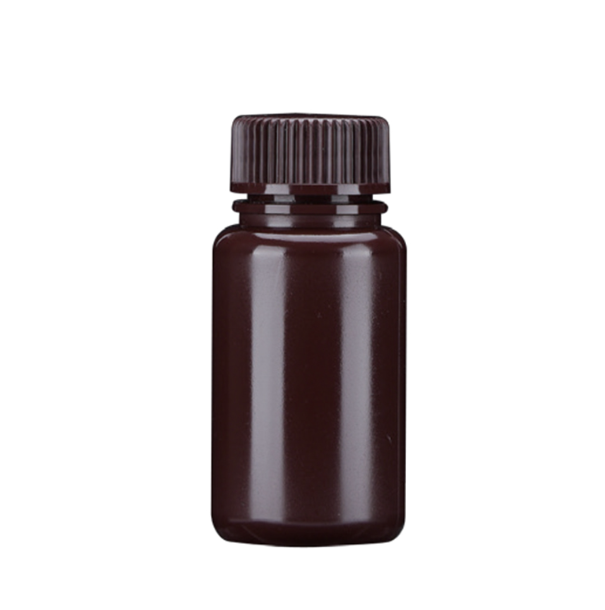
The 15ml wide-mouth reagent bottle is a fundamental laboratory vessel designed for the secure storage, transport, and handling of various chemical substances. Constructed from high-density polyethylene (HDPE) or polypropylene (PP), these bottles offer exceptional chemical resistance against a broad spectrum of acids, bases, and organic solvents, making them ideal for general-purpose applications in research, clinical diagnostics, and educational settings. The wide mouth design facilitates easy filling, pouring, and cleaning, while also allowing convenient access for retrieving solid samples or inserting pipettes and spatulas without spillage.
These containers are typically supplied sterile, ensuring they are free from biological contaminants such as bacteria, fungi, and pyrogens. This feature is critical for applications requiring aseptic conditions, including cell culture work, microbiological testing, and preparation of sensitive media. The sterility is often achieved through gamma irradiation or ethylene oxide treatment, maintaining the integrity of the contents until the moment of use. The screw-cap closure provides an airtight seal to prevent evaporation, leakage, and contamination from external sources during long-term storage or shipping.
When using these reagent bottles, several safety precautions must be observed. Although HDPE and PP are chemically resistant, users should always verify compatibility with specific aggressive oxidizers or strong solvents that may degrade the plastic over time. Avoid exposing the bottles to temperatures exceeding their rated limits, as extreme heat can cause deformation or compromise the seal. Additionally, do not reuse bottles intended for single-use sterile applications unless they have been rigorously sterilized again according to established protocols. Always ensure caps are tightly secured before shaking or transporting liquids to prevent accidental spills. Proper labeling is essential to distinguish contents and avoid hazardous mix-ups. Finally, dispose of used bottles according to local environmental regulations and laboratory waste management guidelines, particularly if they contained hazardous chemicals. By adhering to these practices, laboratories can maximize the utility and safety of these versatile storage solutions.





 (All Rights Reserved)