Product Description
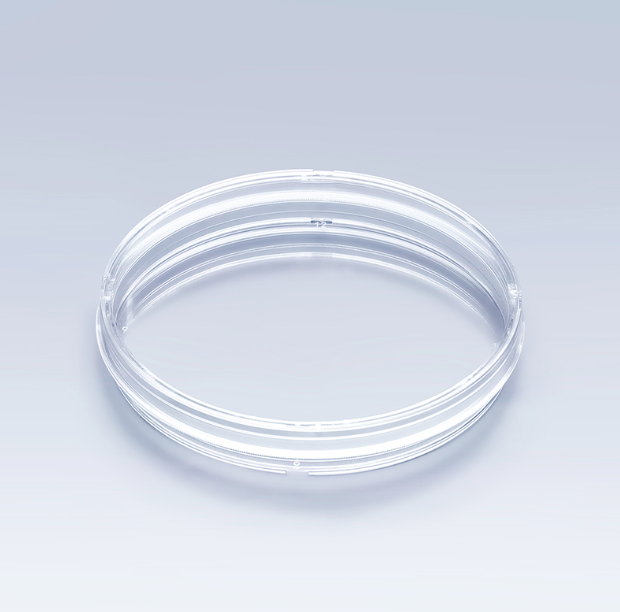
The cell culture dish is made of pure medical grade polystyrene material, which is subject to strict process control and ergonomic design to maximize the safety, efficiency and convenience of cell culture experiment to meet the needs of all users.
AI Product Description
*The following content is generated by AI and is for reference only.
The 150 mm cell culture dish is a fundamental tool in biological research, specifically designed for the large-scale cultivation of adherent mammalian cells. With a surface area of approximately 147 cm², this vessel provides ample space for high-density cell growth, making it ideal for experiments requiring substantial biomass, such as protein extraction, RNA isolation, or transfection studies where reagent volume and mixing efficiency are critical. Unlike smaller dishes, the 150 mm format allows researchers to minimize the number of replicates needed while maintaining consistent environmental conditions across the culture.
These dishes are typically manufactured from polystyrene and undergo rigorous surface treatment processes, known as tissue culture (TC) treatment. This process renders the plastic hydrophilic, promoting optimal cell attachment and spreading without the need for additional coating agents like collagen or fibronectin in most standard protocols. The transparent nature of the material facilitates easy microscopic observation of cell morphology and confluency under inverted microscopes. Furthermore, the design often includes a flat rim to ensure secure sealing with parafilm or lids, preventing evaporation and contamination during long-term incubation.
Several precautions must be observed when handling these vessels. First, sterility is paramount; all operations should be performed within a laminar flow hood using aseptic techniques to prevent microbial contamination. Second, due to their larger footprint, care must be taken during liquid handling to avoid splashing or cross-contamination between wells if multi-well plates are used nearby. Third, the depth of the culture medium should be carefully controlled; excessive volume can lead to uneven nutrient distribution or hypoxia in deeper layers, while insufficient volume may cause rapid evaporation. Finally, disposal requires adherence to biohazard protocols, especially when cultures contain pathogens or genetically modified organisms. Properly utilized, the 150 mm TC-treated dish remains an indispensable asset for advancing cell biology, drug screening, and regenerative medicine research.





 (All Rights Reserved)