Product Description
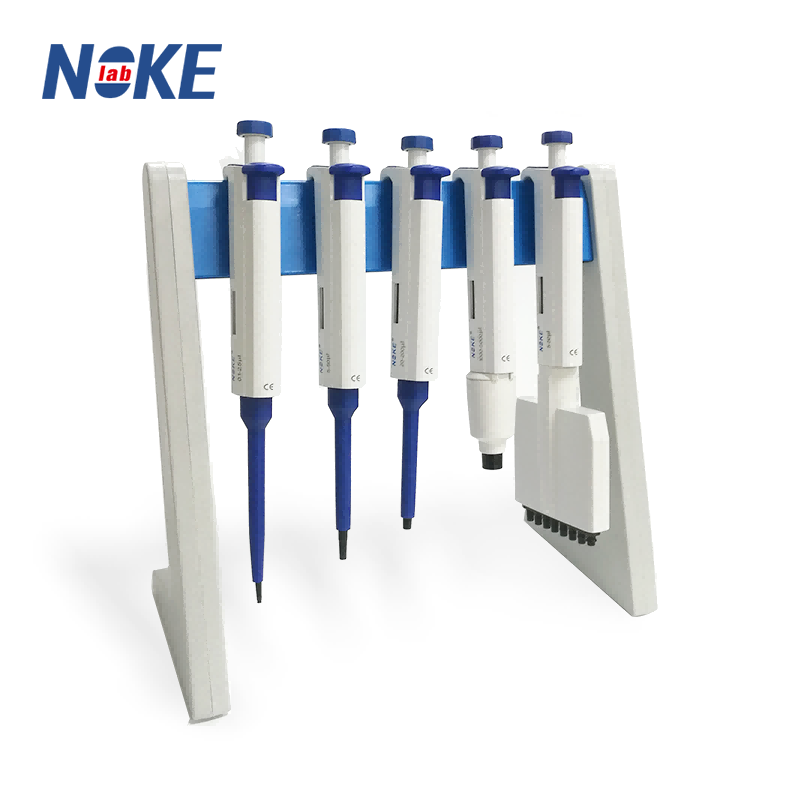
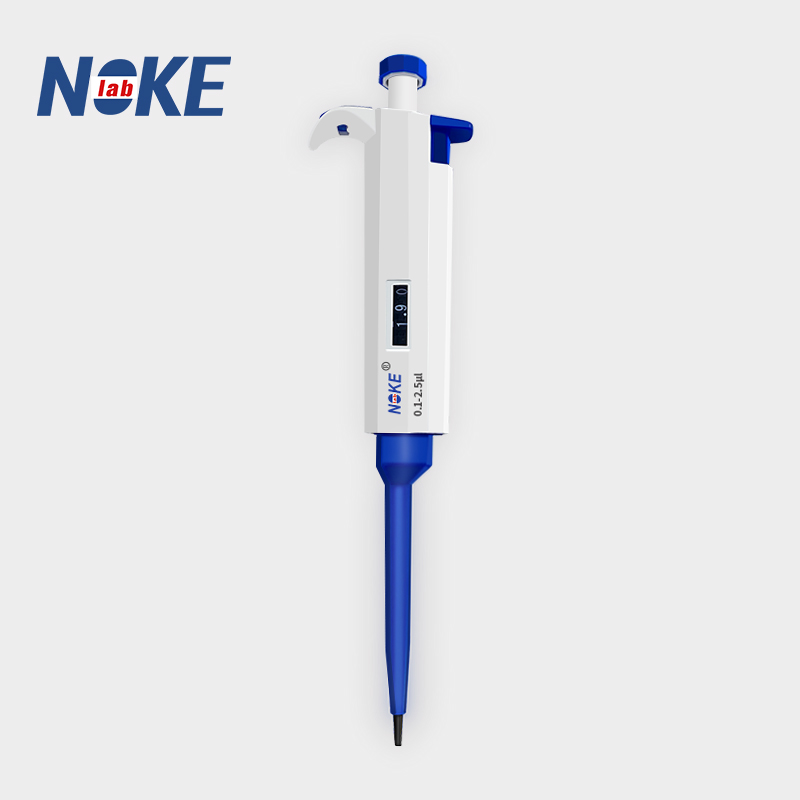
The scale is clear and accurate, easy to identify the pipetting volume. Difffferent color ring marks,easy to identify the pipette volume. Bidirectional scale line and negative scale line design, providing customers with a variety of quantitative pipetting operations. Individually peel pack ensures safety and sterility. Ultra-pure polystyrene material, in line with USP VI standard perfectly adapt to mainstream pipettes on the market. Sterility Assurance Level SAL 10-9.
AI Product Description
*The following content is generated by AI and is for reference only.
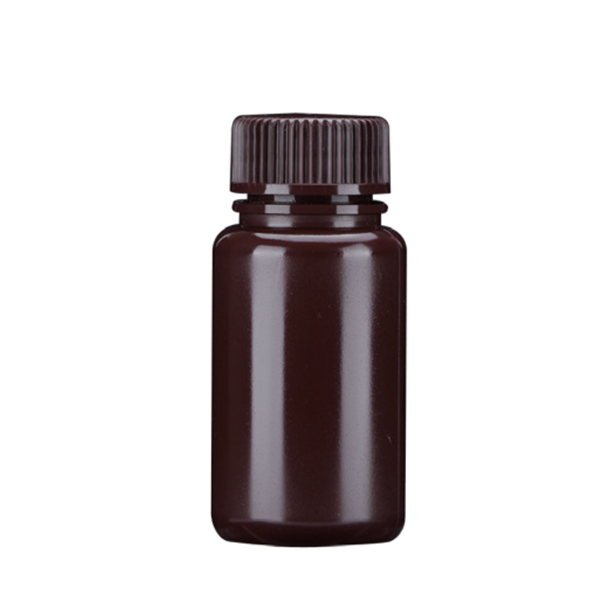
Wide-mouth reagent bottles manufactured from high-density polyethylene (HDPE) and polypropylene (PP) are essential containers designed for the safe storage, handling, and transport of various chemical substances in laboratory environments. These vessels feature a broad opening that facilitates the easy addition of solid samples, powders, or viscous liquids, while also simplifying cleaning procedures and minimizing cross-contamination risks during sampling. The materials used offer distinct advantages: HDPE provides excellent chemical resistance against a wide range of acids, bases, and solvents, ensuring durability under harsh conditions, whereas PP offers superior heat resistance, allowing these bottles to withstand autoclaving processes for sterilization without deformation.
The sterile packaging ensures that the containers remain free from biological contaminants prior to first use, making them ideal for applications requiring strict hygiene standards, such as microbiology, cell culture, and pharmaceutical testing. Their wide-mouth design not only enhances operational efficiency but also reduces the likelihood of spills during pouring. However, users must adhere to specific safety protocols. Although resistant to many chemicals, it is crucial to verify compatibility with aggressive oxidizers or strong organic solvents before storage, as prolonged exposure can degrade the plastic over time. Additionally, these bottles should never be subjected to temperatures exceeding their rated limits, particularly when using PP variants, to prevent structural failure. Proper labeling is mandatory to identify contents clearly, preventing accidental misuse. Furthermore, since they are single-use sterile items intended for laboratory reagents, reusing them after contamination compromises sterility and integrity. Always ensure caps are tightly sealed to prevent evaporation or leakage, and dispose of empty containers according to local hazardous waste regulations. By following these guidelines, laboratories can maintain high safety standards and experimental accuracy while utilizing these versatile storage solutions effectively.





 (All Rights Reserved)