Product Description
The scale is clear and accurate, easy to identify the pipetting volume. Difffferent color ring marks,easy to identify the pipette volume. Bidirectional scale line and negative scale line design, providing customers with a variety of quantitative pipetting operations. Individually peel pack ensures safety and sterility. Ultra-pure polystyrene material, in line with USP VI standard perfectly adapt to mainstream pipettes on the market. Sterility Assurance Level SAL 10-12.
AI Product Description
*The following content is generated by AI and is for reference only.
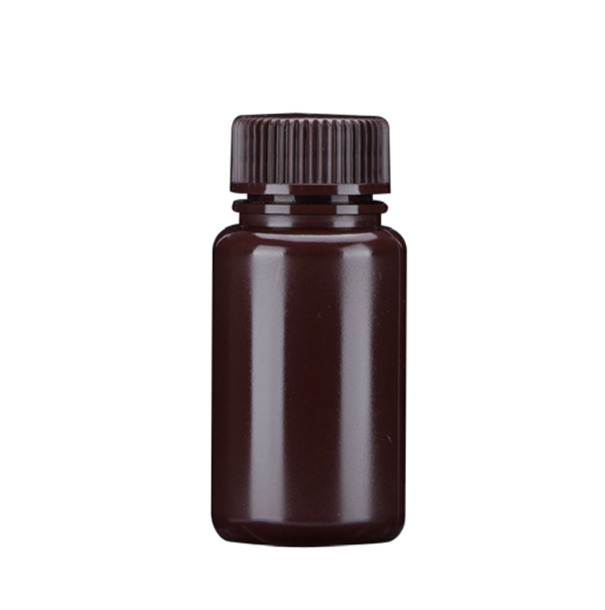
Wide-mouth reagent bottles constructed from high-density polyethylene (HDPE) or polypropylene (PP) are essential storage vessels widely utilized in scientific laboratories, industrial quality control, and educational settings. These containers are specifically engineered to hold a variety of chemical reagents, solvents, aqueous solutions, and biological samples safely over extended periods. The broad opening design facilitates the easy addition of powders, viscous liquids, or solid samples without spillage, while also allowing for straightforward cleaning and access by standard laboratory pipettes or spatulas.
Manufactured from chemically resistant polymers, these bottles offer superior durability compared to glass alternatives. HDPE provides excellent resistance against acids, bases, and many organic solvents, making it ideal for general-purpose storage. PP offers even higher thermal stability and is often preferred for applications involving autoclaving or exposure to more aggressive chemicals. Both materials are inherently lightweight and shatter-resistant, significantly reducing the risk of injury during transport or accidental drops within busy lab environments. Many units are supplied sterile and sealed to ensure they remain free from contaminants until the moment of first use, which is critical for sensitive microbiological or analytical procedures.
When utilizing these containers, users must adhere to strict safety protocols. Although highly resistant, no plastic is universally compatible with every chemical; therefore, consulting chemical compatibility charts before storing specific substances like strong oxidizers or certain hydrocarbons is mandatory to prevent degradation or leakage. It is crucial to avoid exposing these bottles to temperatures exceeding their rated limits, as this can cause warping or structural failure. Furthermore, proper labeling is essential to identify contents clearly, preventing cross-contamination or hazardous mix-ups. Users should never reuse single-use sterile bottles unless explicitly validated for such purposes under controlled conditions. Regular inspection for cracks, cloudiness, or stress marks is necessary to maintain integrity. By following these guidelines, laboratories can ensure safe, efficient, and reliable chemical management using these versatile storage solutions.





 (All Rights Reserved)