Product Description
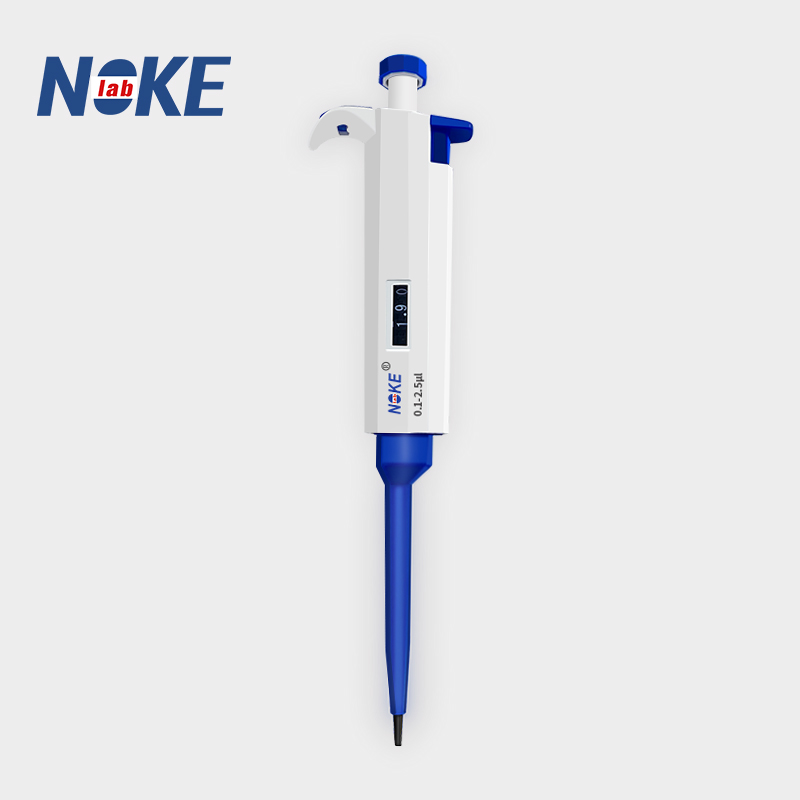
1. Lightweight, ergonomic, low force design
2. Digital display clearly reads volume setting
3. The pipettes cover volume range of 0.1μl to 10ml
4. Easy to calibrate and maintain with tool supplied
5. Design helps avoid repetitive strain injuries
6. Calibrated in accordance with ISO8655. Each pipette supplied with individual test certificate
7. The low part is available for autoclaving
AI Product Description
*The following content is generated by AI and is for reference only.
The product in question is a high-precision adjustable micropipette designed for liquid handling within the 100 to 1000 microliter range. Widely utilized across biological, chemical, and medical research laboratories, this instrument serves as a fundamental tool for accurate measurement and transfer of small fluid volumes. Its primary function involves dispensing precise aliquots of reagents, samples, or buffers into microplates, test tubes, or other reaction vessels, ensuring experimental reproducibility and data integrity.
These devices typically operate on the air displacement principle, where an internal piston moves within a sealed cylinder to create suction and dispense liquids. The ergonomic design often features a lightweight body, a smooth plunger mechanism, and a volume adjustment dial that allows users to set specific capacities with minimal effort. Many models include a tip ejector button for quick disposal of disposable tips, reducing cross-contamination risks. The wide volume range makes them particularly suitable for applications such as PCR setup, DNA/RNA extraction, cell culture media preparation, and enzyme assays where accuracy is critical.
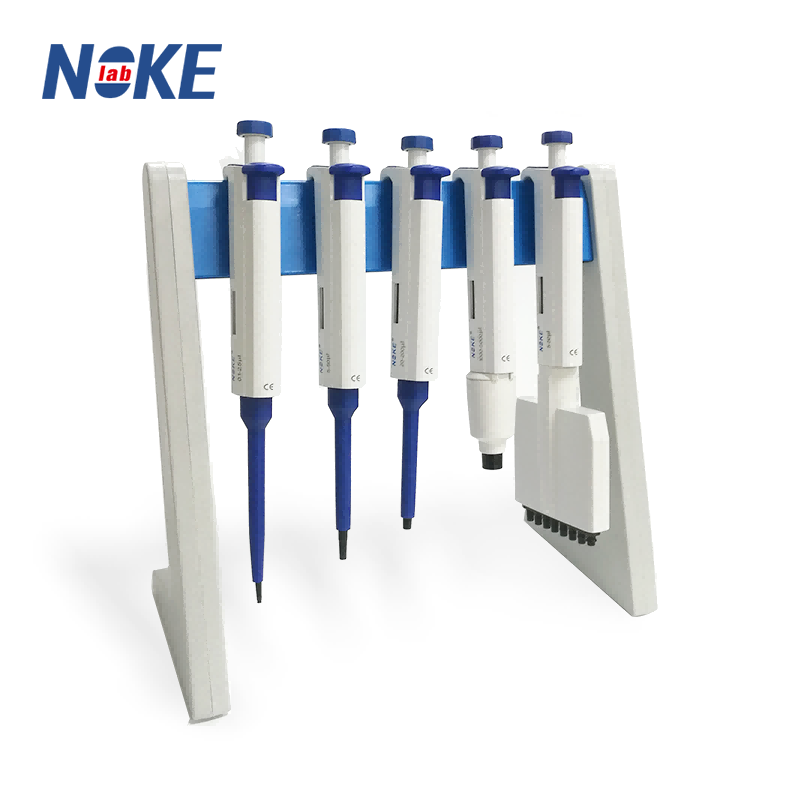
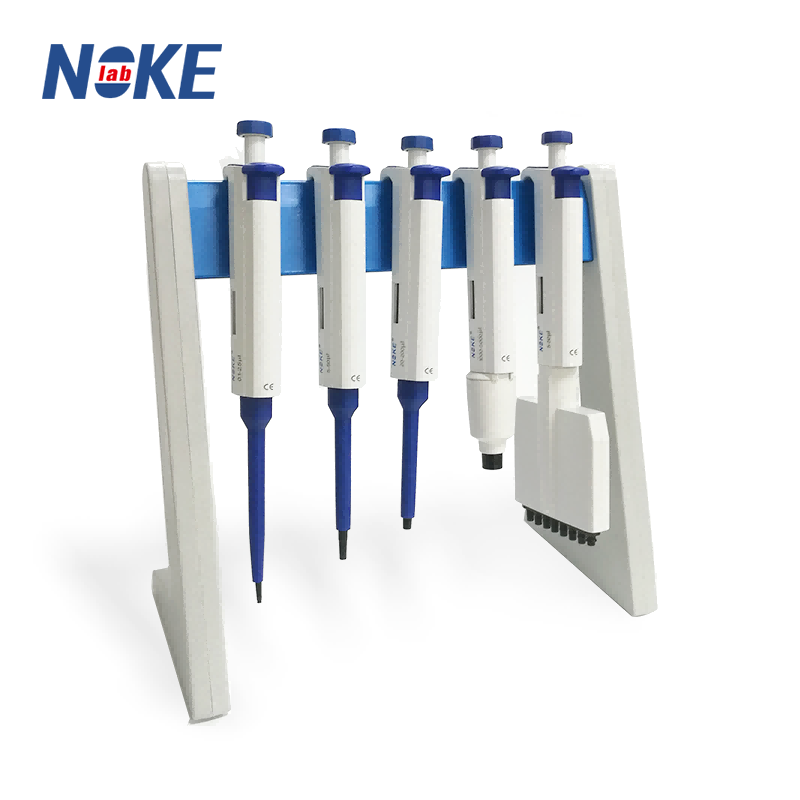
When operating these pipettes, several precautions must be observed to maintain performance and longevity. First, always use compatible, high-quality disposable tips to ensure a proper seal and prevent leaks. Second, avoid immersing the pipette shaft in liquid or exposing it to corrosive chemicals, which can damage internal seals and electronics if present. Third, never lay the pipette down horizontally while holding liquid, as gravity may cause backflow into the piston mechanism. Regular calibration is essential; users should verify accuracy periodically using gravimetric methods, especially after heavy usage or temperature fluctuations. Additionally, storing the device vertically in a dedicated stand prevents accidental drops and protects the tip cone from dust. Proper maintenance, including cleaning with appropriate disinfectants and avoiding extreme temperatures, ensures reliable operation over many years. By adhering to these guidelines, researchers can achieve consistent results and extend the functional life of their equipment in demanding laboratory environments.





 (All Rights Reserved)