Product Description
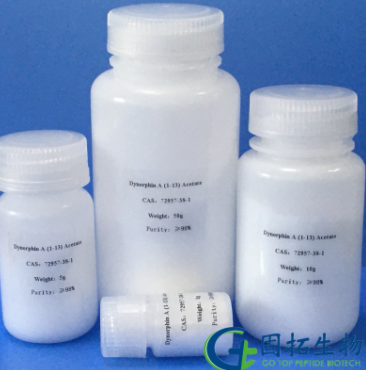
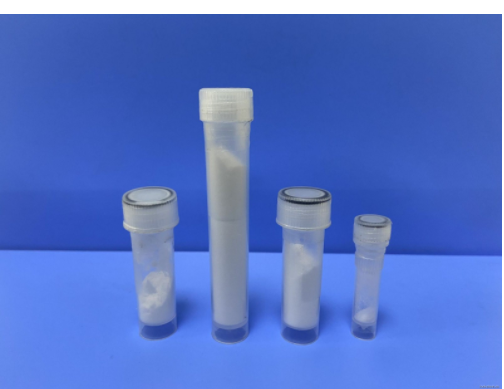
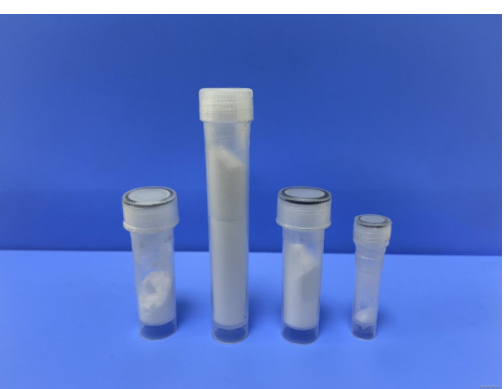
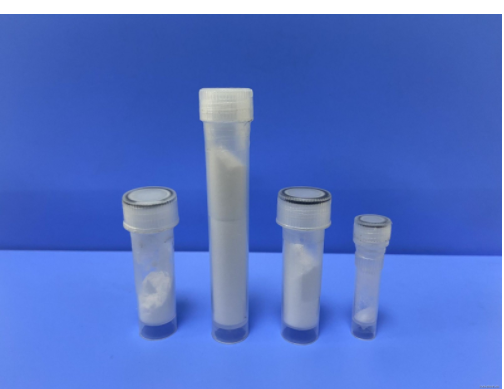
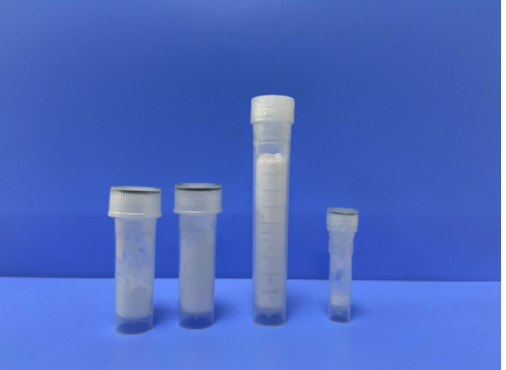
Appearance: White powder packaging and shipping: low temperature, vacuum packaging, according to the requirement to mg.
Storage: - 20 ℃ under freeze dry, avoid light preservation remark: used only for research, not for human body
AI Product Description
*The following content is generated by AI and is for reference only.
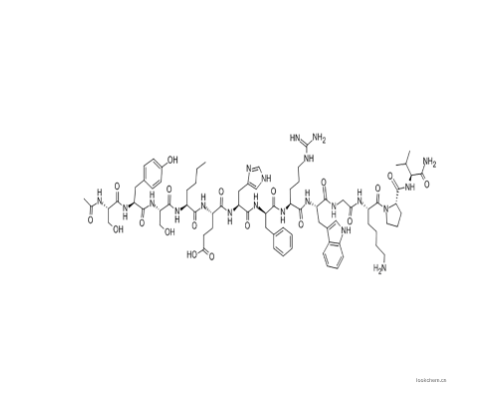
1-13-Dynorphin A (swine) is a biologically active neuropeptide derived from the precursor protein prodynorphin, specifically representing the N-terminal thirteen amino acid residues of the full-length dynorphin A sequence found in swine. Its molecular formula is C68H104N20O19S, and it carries the CAS Registry Number 85777-85-5. This peptide plays a critical role in the endogenous opioid system, acting primarily as a potent agonist for kappa-opioid receptors (KOR). Unlike other opioid peptides that predominantly target mu-receptors to produce analgesia, Dynorphin A exhibits a unique pharmacological profile characterized by high affinity for KORs, which are widely distributed throughout the central nervous system, particularly in regions regulating mood, stress response, and pain perception.
The primary utility of 1-13-Dynorphin A (swine) lies in biomedical research rather than clinical application. Scientists utilize this compound extensively to investigate the mechanisms underlying nociception, addiction, depression, and neurodegenerative disorders. By modulating KOR activity, researchers can explore how this peptide influences neurotransmitter release, neuronal excitability, and synaptic plasticity. Furthermore, studies involving this specific swine variant help elucidate species-specific differences in opioid receptor binding and signaling pathways, providing valuable insights for comparative pharmacology. It serves as an essential tool for developing novel therapeutic agents targeting the kappa-opioid system without inducing the severe side effects often associated with mu-agonists, such as respiratory depression or physical dependence.
In laboratory settings, this reagent is typically supplied in lyophilized form to ensure stability and requires careful handling under sterile conditions. Researchers employ it in assays measuring cAMP accumulation, calcium flux, and receptor internalization to map downstream signaling cascades. While its biological half-life is short due to rapid enzymatic degradation, synthetic analogs are often designed to enhance metabolic stability for prolonged experimental observation. As a fundamental component in understanding the complex interplay between stress, pain, and reward systems, 1-13-Dynorphin A remains indispensable for advancing our knowledge of neurological health and disease pathogenesis.





 (All Rights Reserved)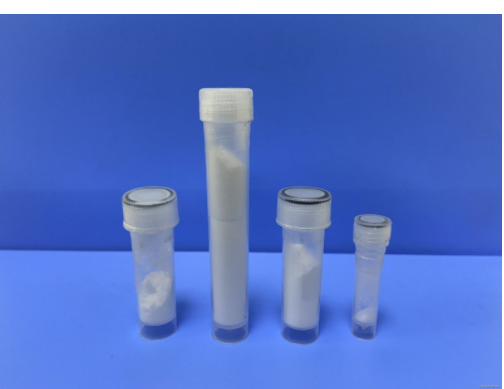



![8-Oxa-1,3-diazaspiro[4.5]decane-2,4-dione](https://eimg.pharmasources.com/image/product/20250403/60fa7223d5a34f24138486ceea0ffb15jpg)


![8,16-Diazadispiro[6.1.6.2]heptadecan-17-one](https://eimg.pharmasources.com/image/product/20250403/ca91cba8b87e53fc879f8d8764873a40jpg)
![6,8-Dioxo-5,7-diazaspiro[3.4]octane-2-carboxylic acid](https://eimg.pharmasources.com/image/product/20250403/02effeb5a7639bc84ff1f3add3c0c64fjpg)

