Product Description
Pharmaceutical
Raw Materials and Intermediates
AI Product Description
*The following content is generated by AI and is for reference only.
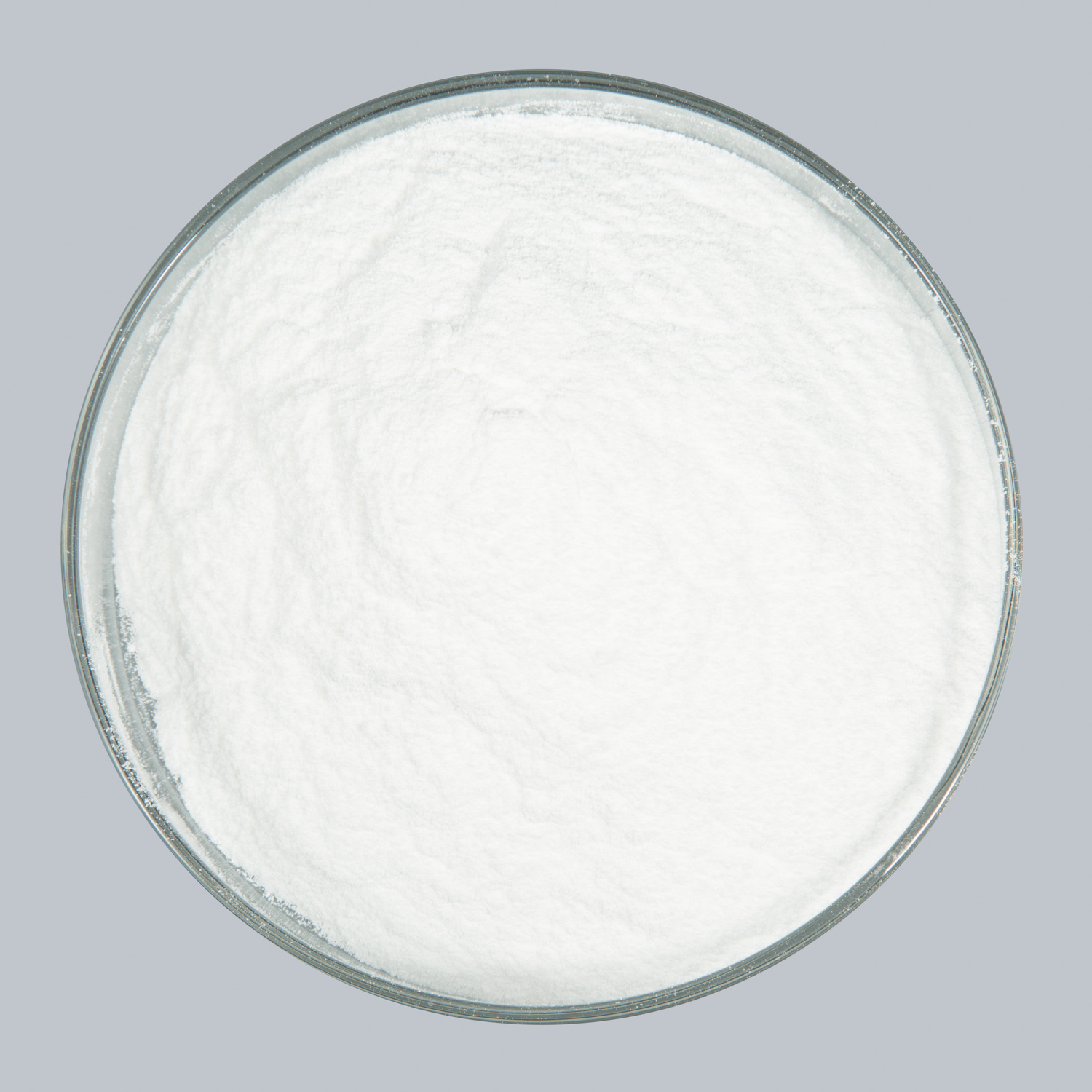
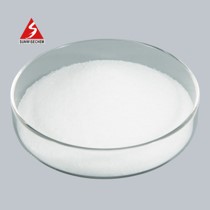
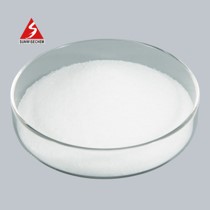
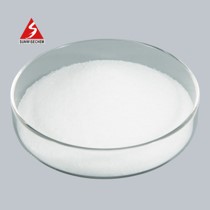
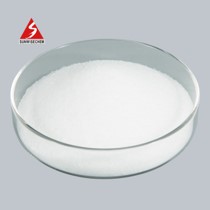
(+)-Dimethyl L-tartrate is a chiral organic compound derived from tartaric acid, widely recognized in the pharmaceutical and fine chemical industries for its role as a crucial asymmetric building block. With the molecular formula C6H10O6 and a CAS registry number of 542-79-8, this optically active ester exhibits specific optical rotation, making it indispensable for synthesizing enantiomerically pure compounds. Structurally, it consists of two methyl ester groups attached to the L-tartrate backbone, preserving the stereochemical integrity necessary for complex organic synthesis.
The primary application of (+)-Dimethyl L-tartrate lies in its function as a resolving agent for separating racemic mixtures into individual enantiomers. Due to its inherent chirality, it forms diastereomeric salts with basic amines, allowing chemists to isolate specific stereoisomers with high purity. This capability is vital in the production of chiral drugs, where biological activity often depends on a single enantiomer. Furthermore, it serves as a key ligand precursor in transition metal-catalyzed asymmetric hydrogenation and oxidation reactions. In these catalytic processes, the tartrate derivative coordinates with metals like titanium or vanadium to create chiral environments that favor the formation of one specific stereoisomer over another, significantly enhancing reaction efficiency and selectivity.
Beyond industrial synthesis, this compound finds utility in the development of novel agrochemicals and flavoring agents, where precise stereochemistry dictates efficacy and safety profile. Its stability under various reaction conditions allows it to be used in diverse synthetic pathways without degradation. As a starting material for more complex chiral molecules, (+)-Dimethyl L-tartrate supports the advancement of green chemistry initiatives by reducing waste through highly selective catalytic methods. Researchers value its availability and cost-effectiveness compared to other chiral sources. Whether utilized in academic laboratories for mechanistic studies or in large-scale manufacturing for drug production, this compound remains a cornerstone of modern asymmetric synthesis. Its continued relevance underscores the importance of stereochemistry in creating safer, more effective therapeutic agents and functional materials for the global market.




 (All Rights Reserved)
![8,16-Diazadispiro[6.1.6.2]heptadecan-17-one](https://eimg.pharmasources.com/image/product/20250403/ca91cba8b87e53fc879f8d8764873a40jpg)
![6,8-Dioxo-5,7-diazaspiro[3.4]octane-2-carboxylic acid](https://eimg.pharmasources.com/image/product/20250403/02effeb5a7639bc84ff1f3add3c0c64fjpg)
![8-Oxa-1,3-diazaspiro[4.5]decane-2,4-dione](https://eimg.pharmasources.com/image/product/20250403/60fa7223d5a34f24138486ceea0ffb15jpg)