
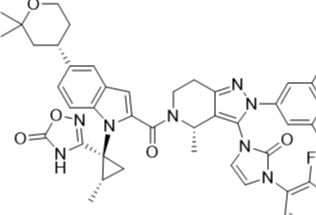
TenNor Therapeutics reports positive top-line results for TNP-2092 Capsule from a phase II clinical trial for the treatment of hyperammonemia/hepatic encephalopathy in patients with liver cirrhosis. TNP-2092 Capsule is an investigational new drug product currently under clinical development for the treatment of Hepatic Encephalopathy (HE) and Irritable Bowel Syndrome with Diarrhea (IBS-D). TenNor owns the worldwide intellectual property rights of this product.
The completed study was a randomized, double-blind, placebo-controlled, phase II clinical trial to evaluate the safety, pharmacokinetics and efficacy of TNP-2092 Capsule in patients diagnosed with liver cirrhosis with hyperammonemia. Hyperammonemia is known to be associated with the occurrence of hepatic encephalopathy. The study enrolled 36 patients into three dosing groups 100 mg, 300 mg and 600 mg. Patients in each dosing group were randomized into the TNP-2092 arm or the matching placebo arm in a 2:1 ratio. All patients were treated with the TNP-2092 Capsule or placebo twice daily for 14 days. Blood ammonia levels were monitored at regular intervals throughout the study. All patients received proper background treatment as judged necessary by the investigators.
TNP-2092 Capsule appeared safe and well tolerated in the study population. Treatment emergent adverse events (TEAEs) and study drug related TEAEs were similar between different treatment groups and between the treatment groups and the placebo. No series adverse events (SAEs) occurred in the TNP-2092 treatment group nor deaths during the trial. As a locally acting drug, the systemic exposure of TNP-2092, as measured by Area under the Curve (AUC), in liver cirrhosis patients remained less than 1% of that of the intravenous formulation at the same dose. During the study, the blood ammonia levels decreased in a dose dependent manner in the TNP-2092 treatment groups, as measured by the ratio of the blood ammonia measurements that was converted into the normal range (less than 47 µmol/L) and the reduction of the blood ammonia levels from the baseline. The values for the 600 mg treatment group were statistically different (P value less than 0.05) as compared to placebo. The treatment effect of the 600 mg dosing group on blood ammonia exceeded that of rifaximin in a similar study.
"Hepatic encephalopathy is a common syndrome of impaired brain function occurring in patients with advanced liver failure. It occurs in about 30-45% patients living with liver cirrhosis and has a major impact to the quality of life of the patients. Currently, there are limited treatment options and a major unmet need for safe and effective therapy for the treatment of HE." said Prof. Junqi Niu, the co-Principal Investigator of the study, and Director and Chief Physician of the Department of Liver Diseases at the First Hospital of Jilin University, "I am encouraged by the top-line results from this phase II study and look forward to the further development of this new treatment option for patients with hepatic encephalopathy," he added.
"This phase II trial is an important proof-of-concept study for the development of TNP-2092 oral capsule for the treatment of hepatic encephalopathy, and we are excited about the outcomes. We are extremely grateful to the patients, investigators and collaborators who have participated in this study" said Dr. Zhenkun Ma, Founder and CEO of TenNor Therapeutics. "We are currently planning to initiate the late-stage clinical development of TNP-2092 capsule for the treatment of hyperammonemia/hepatic encephalopathy, as well as a proof-of-concept study in IBS-D patients. TNP-2092 has potential to address some major unmet medical needs in China and globally and provide a better treatment option for patients who living with HE or IBS-D."
There were 10·6 million prevalent cases of decompensated cirrhosis and 112 million prevalent cases of compensated cirrhosis, leading to more than 1·32 million deaths globally in 2017. Hepatic encephalopathy occurs in approximately 30-45% of patients with liver cirrhosis and is associated with increased hospitalizations, health care costs and mortality. It has...


























 (All Rights Reserved)