
Rhodiola rosea mainly grows in the Tibetan plateau environment with altitude of above 1,000m, and has very strong environmental adaptability and vitality; it mainly distributes in the Himalayas, northwestern Asia, and North America, and in China, it is mainly produced in Qinghai, Xinjiang, and Tibet, etc. The medicinal function of Rhodiola rosea has early been recorded in China, for example, Shen Nong's Herbal Classic listed Rhodiola rosea as top grade among medicinal herbs; the Compendium of Materia Medica of Li Shizhen recorded that, "Rhodiola rosea, with top grade rated by Shen Nong's Herbal Classic, can eliminate pathogens and supplement deficiencies" and that it was "rarely seen among the known tonifying drugs", and highly praised it. Some studies in modern times prove that salidroside has pharmacological effects such as antifatigue, anti-aging, and immunoregulation. As a result, Rhodiola rosea and its natural extracts have become a new health product with health care and multiple effects.
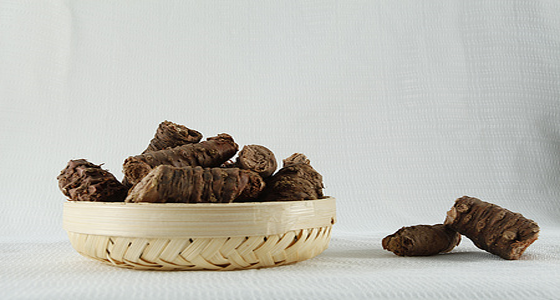
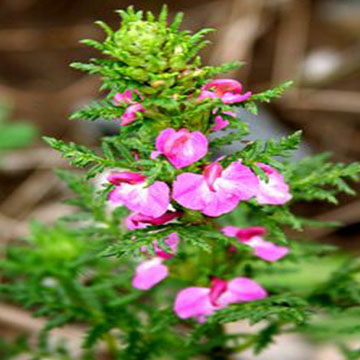
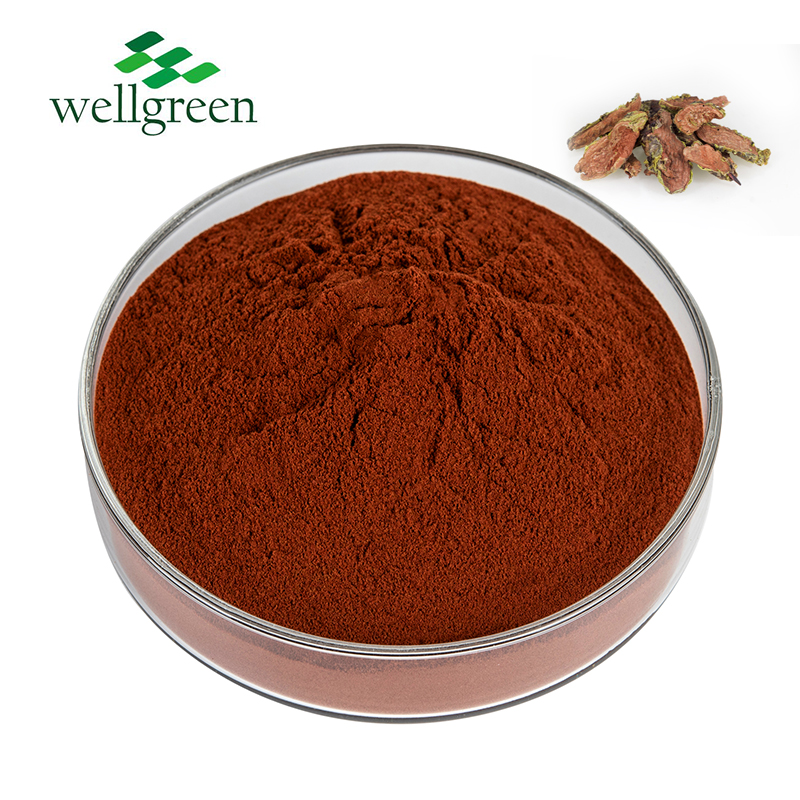
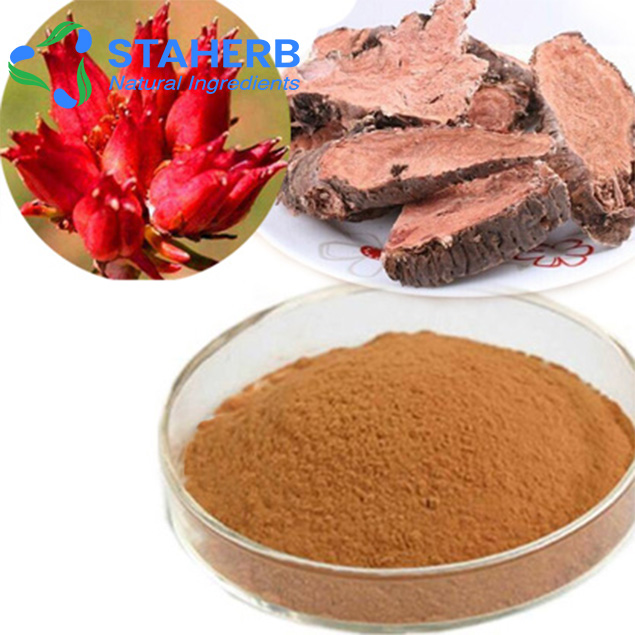
The traditional Chinese medicine Rhodiola rosea is the dried root and rhizome of the Rhodiola crenulate in the family Crassulaceae. There has been a long application history of Rhodiola rosea: it is commonly used among the people for decoction or soaking in wine, to eliminate fatigue or resist the cold, etc.; according to legend, in the Kangxi period, the troops of Qing Dynasty found it difficult to march due to the altitude stress of Northwest Plateau, with combat effectiveness decreasing significantly, however, their altitude stress magically disappeared after they took the Rhodiola rosea medicinal liquor offered by the local Tibetans, therefore, Rhodiola rosea is also called "herb given by immortals". Generally, Rhodiola rosea extracts are products extracted from raw materials such as dried rhizome or dried whole herb of Rhodiola rosea, of which the commercial extracts generally contain 4% salidroside. Rhodiola rosea contains a large number of antimicrobial and anti-inflammatory ingredients such as scopolamine and kaempferol, and the largest amount of tannin, with astringency; and salidroside is the most important active ingredient thereof.
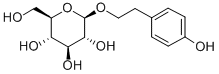
Fig. 1 Salidroside (CAS No.: 10338-51-9)
Research shows that salidroside benefits the body’s nervous system. Most studies have confirmed the active support of such biologically active compound for the nervous system. Salidroside extract can protect nerves, promote nerve repair, regulate release of the neurotransmitter in the nervous system, and also prevent cells from premature death and extend cell life cycle. Results of some studies also show that salidroside can potentially treat the neurodegenerative disease. On the other hand, salidroside can protect brain cells from degradation, and is partly effective against Alzheimer's disease (AD). According to a study, Rhodiola rosea and salidroside can protect neurons from damaging by toxins. Salidroside shall not be regarded as a therapeutic method or comprehensive preventive method of AD, but a study reported that salidroside could provide some protection against age-related degenerative diseases. AD is characterized by loss of motor, mental, and cognitive functions, which is attributable to the buildup of beta-amyloid plaques of peripheral neurons.
Salidroside also has certain function of supporting bone health, and the function of promoting regeneration and development of bone cells. Researchers tested the effect of salidroside extract on bone formation and maturity based on its success as adaptogen and ability in protecting cells from oxidative damage, and found that salidroside could reduce bone loss, protect bone cells from oxidative damage, and slow down premature cell loss, and could be conductive to degenerative bone disease. Salidr...
































 (All Rights Reserved)