
Colorectal cancer is one of the common malignancies, with morbidity and mortality gradually rising worldwide. Early colorectal cancer is mainly treated by surgery, however, there will still be recurrence and metastasis. Patients with advanced colorectal cancer are mainly treated by systemic chemotherapy of which the regimen is standard treatment that takes 5-Fu as the core in combination with irinotecan and oxaliplatin as the first-line and second-line therapies. The treatment of advanced colorectal cancer has entered a new stage with the emergency of molecular targeted drugs. However, there is still no standard therapeutic regimen in third-line therapy. The Phase III study results of fruquintinib independently developed by Hutchison China MediTech Limited have been published recently, to provide a new option for the third-line therapy of colorectal cancer.

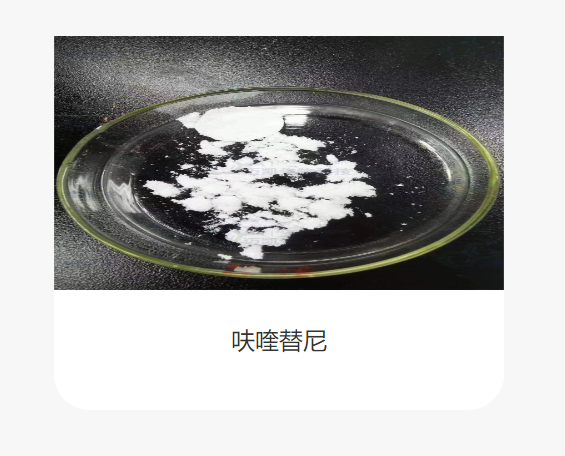
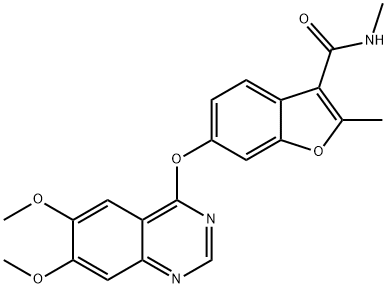
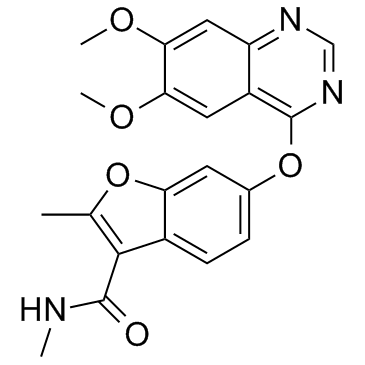
About fruquintinib
Fruquintinib is an oral small molecule inhibitor that acts on VEGF receptors and can bind to VEGF receptor-1, -2 and -3, with the high drug exposures at recommended dose able to result in full target inhibition coverage.
Details of the fruquintinib study
Fruquintinib Phase III clinical study FRESCO has been the largest pivotal clinical study targeting advanced colorectal cancer so far in China. As a randomized, double-blind, placebo-controlled, multicenter clinical trial, FRESCO study recruited 416 advanced colorectal cancer patients who have failed at least 2 rounds of prior chemotherapies. This study was led by Professor Li Jin, Director of the Department of Oncology, Tongji University Affiliated Shanghai East Hospital and Professor Qin Shukui, Director of Cancer Center of Chinese PLA, People's Liberation Army (PLA) 81 Hospital (Nanjing, China), with the participation of 28 research centers in China.
Patients were randomized at a 2:1 ratio, and eventually 278 patients entered the fruquintinib plus best supportive care (BSC) group and 138 patients entered the placebo plus BSC group.
Results of the fruquintinib study
This study met all primary and secondary endpoints, and data of patients of fruquintinib group were all significantly better than those of placebo group, with significant differences:
(1) The primary endpoint of median overall survival (OS): 9.30 months vs 6.57 months, P<0.001;
(2) The secondary endpoint of progression-free survival (PFS): 3.71 months vs 1.84 months, P<0.001;
(3) The secondary endpoint of the overall response rate (ORR): 4.7% vs 0, P=0.012;
(4) The secondary endpoint of disease control rate (DCR): 62.2% vs 12.3%, P<0.001.
And the mortality risk of fruquintinib group was reduced by 35%.
In the further subgroup analysis according to gender, age, performance status, time from 1st diagnosis to randomization, previous chemotherapy lines, previous receipt of molecular targeted therapy, and liver metastasis, etc., the results showed that OS and PFS favored fruquintinib group; among K-RAS wild type patients, the median OS of fruquintinib group could be extended to 10.7 months, nearly 5.0 months more than the placebo group, and fruquintinib had good safety and controllable adverse reactions. Therefore, fruquintinib may become one of the standard drugs for third-line therapy of advanced colorectal cancer.
Colorectal cancer is one of the most common malignancies in China. Its incidence has jumped to the 2nd place and continues to rise in big cities like Beijing, Shanghai and Guangzhou in China. Colorectal cancer’s pathogenesis is concealed and its early symptoms are not evident. Many patients have already been in the middle-advanced stage when diagnosed; about 30% patients have metastatic lesion at their first time to see a doctor, and many patients have disease progression or metastasis during the treatment; accumulatively about 50% colorectal cancer patients have spread and metastasis, with the disease being metastatic/recurrent colorectal...
































 (All Rights Reserved)