
Asiaticoside is one of the main components of triterpenoid saponins, which is the centella asiatica extract, and its molecular formula is C48H78O19. Modern pharmacological research has proved that asiaticoside has good effects on anti-inflammatory, inhibiting scar formation, promoting wound healing, neuroprotection, anti-anxiety and immune regulation.
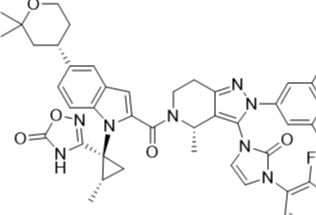
Graph of chemical structures of asiaticoside
1. Anti-inflammatory mechanism
Asiaticoside can alleviate many inflammatory reactions, and its mechanism is related to down-regulating the expression of IL-6, IL-1β and TNF-α in NF-κB pathway and inhibiting oxidative stress. According to the reasearch, on the one hand, asiaticoside can play an anti-inflammatory role by inhibiting NF-κB signaling pathway and down-regulating the expression of nitric oxide (NO), TNF-α and IL-6. On the other hand, asiaticoside can also exert its anti-inflammatory effect by regulating heme oxygenase-1 (HO-1) signaling pathway and inhibiting the production of pro-inflammatory factors and the activity of peroxidase. Asiaticoside can relive the inflammatory reaction caused by hypoxia by inhibiting NF-κB/p38 signaling pathway, and it can also alleviate the inflammatory reaction induced by hyperoxia by down-regulating the expression of microRNA-155 (miR-155) and up-regulating the expression of suppressor of cytokine signaling 1 (SOCS1).
2. Mechanism of relieving the injury of liver, lung and kidney
Asiaticoside can relieve the injury of liver, lung and kidney, and its mechanism is related to its effects of inhibiting inflammatory reaction of oxidative stress and improving antioxidant capacity. Researches have shown that asiaticoside can relieve both sepsis-associated lung injury and acute sepsis-associated kidney injury. Asiaticoside can relieve lung injury by up-regulating the expression of PPAR-γ and inhibiting the activity of MAPK and NF-κB signaling pathway. Besides, the relieving of kidney injury can be achieved when asiaticoside down-regulates the expression of IL-6 in serum and iNOS protein in kidney tissue. Asiaticoside can relieve the kidney injury in nephropathy model rats, and its mechanism is related to up-regulating mRNA expression of synaptophysin, endorphin and podofilox, and down-regulating mRNA expression of desmin. Researches have been carried out in vivo and vitro to figure out whether the asiaticoside is effective in improving the injury of the rats. It was found that asiaticoside could relieve the lung injury in rats by reducing the contents of myeloperoxidase (MPO), malondialdehyde (MDA), the level of TNF-α, IL-1β and IL-6 and increasing the level of total antioxidant (TAOC). Additionally, asiaticoside can improve liver injury by inhibiting the expression of TNF-α and MAPK.
3. Mechanism of inhibiting scar hypertrophy and repairing skin damage
The mechanism of asiaticoside inhibiting scar hypertrophy and repairing skin damage is related to inhibiting the expression of type I and III collagen, TNF-α, IL-6, IL-1β and the activity of Wnt/β-catenin signaling pathway, and up-regulating the expression of TGF-β1, VEGF, iNOS and MCP-1.
Asiaticoside can inhibit the proliferation of scar fibroblasts. When the concentration of asiaticoside is 0.1-1.0mg/ml, the proliferation of fibroblasts will be obviously inhibited, which suggests that asiaticoside can reduce the synthesis of granulation tissue and extracellular matrix, such as collagen, by inhibiting fibroblasts, thus reducing the scar formation. When the concentration of asiaticoside is 1.0mg/ml, it can inhibit the mRNA expression of type I and type III collagen in scar fibroblasts, which indicates that asiaticoside can inhibit the scar formation by reducing the production of collagen and the synthesis of extracellular matrix. The results show that asiaticoside could inhibit the collagen secretion function by inhibiting overactive fibroblasts, through which asiaticoside can inhibit the collagen proliferation and intervene the scar formation.
In vitro researches show that the mechanism of asiaticoside inhibiting the proliferation of scar fibroblasts is related to the inhibition of the expression of proteins relating to RhoA/Rho kinase I (RhoA/ROCK I) signaling pathway, as well as the down-re...


























 (All Rights Reserved)