
CPhI asks industry experts at Beximco Pharmaceuticals, Catalent, DIA and Thermo Fisher Scientific to weigh in on the remarkable innovations we have witnessed and what lasting impacts they may have on our industry in a post-pandemic world
The early days of the global coronavirus pandemic sent the healthcare and life sciences industries into innovation overdrive. The rapid pace of development set over the past decade – widely recognized as a time of remarkable discovery in the life sciences – now seems sluggish in comparison.
In 2020, we witnessed an extraordinary spike in partnerships and collaborations between the public and private sectors aimed at finding effective healthcare interventions. These collaborations occurred across disciplines – from clinical diagnostics and medical devices to therapeutics and vaccines – spanning pharmaceutical and biopharmaceutical companies, medical device and diagnostics manufacturers, academic and industry researchers, biorepositories, regulatory agencies, NGOs, non-profits, and many other stakeholders. The work has changed the face of healthcare across the globe at previously unimaginable speeds.
Fundamental to virtually all of the collective advances has been the tremendous scope of collaboration. According to Karen Flynn, President, Biologics & Chief Commercial Officer at Catalent, “the unprecedented sharing of knowledge paved the way to find solutions. Early on, the virus’s genome sequence was made publicly available within two weeks of the first reported cluster of cases in Wuhan, China. From there, academics and pharma companies from around the world began fervently developing vaccine candidates, most based on the spike protein gene sequence.”
What were some of the crucial innovations during COVID-19? Flynn points to the near-overnight launch of at-scale mRNA manufacturing as a big win for the industry. “Before the recent pandemic, no mRNA therapy or vaccine had been approved, and thus there was no need to scale manufacturing of mRNA-based treatments to a commercial scale. Now, with the Emergency Use Authorization of both the Pfizer-BioNTech and the Moderna mRNA-based vaccines, much more is known about how to scale this relatively new modality. This includes all the steps of the scale-up process – plasmid DNA manufacturing, in vitro transcription and purification, lipid nanoparticle formulation, fill and finish, and even analytical testing.”
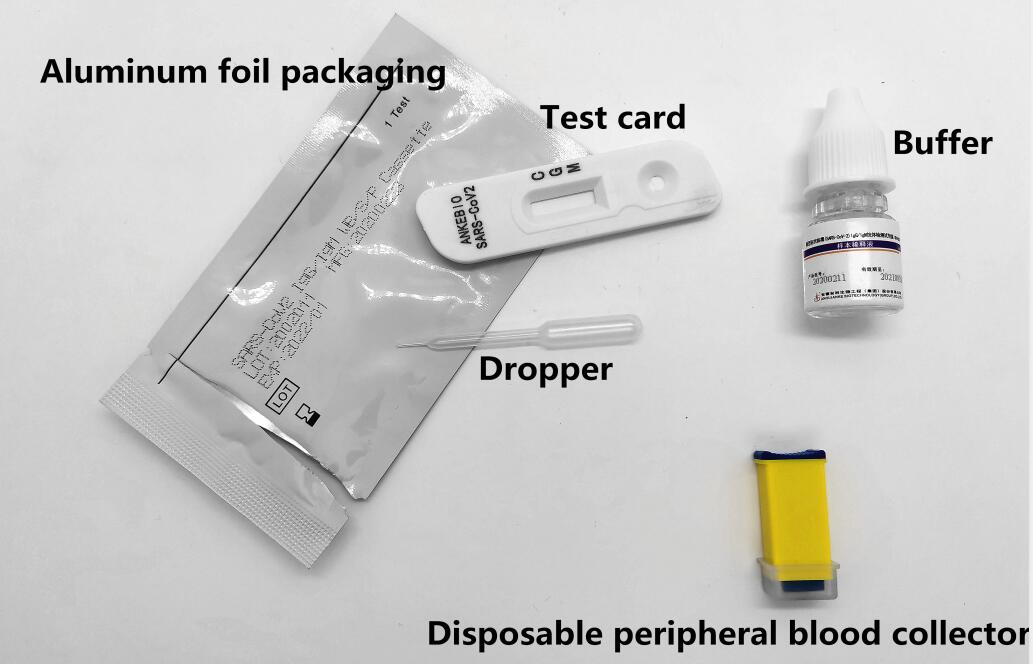
Innovations were not limited to therapeutic interventions. According to Beximco Pharmaceuticals Chief Operating Officer, Rabbur Reza, “in the field of diagnostics, we have seen rapid development and distribution of PCR tests, as well as rapid antigen and antibody tests from companies including Abbott and Roche.”
Necessity of speed and agility
One common thread among our experts was that the pandemic exposed the necessity of speed and agility. Reza points out that “medical innovation is often accelerated in a time of crisis,” while Anil Kane, Executive Director, Global Head of Technical & Scientific Affairs at Thermo Fisher Scientific, cites the need for “speed and agility to adapt” as vitally important.
Speed was also the impetus behind repurposing existing therapeutics. Reza notes, “the value of drug repurposing is to speed up the traditional process of drug discovery by identifying a novel clinical use for drugs that have already proven to be safe and effective in humans and are approved for other indications.”
“Drug repurposing has been the most widely used and effective means in finding potential interventions to combat the pandemic. We have seen a number of existing drugs emerge as potential treatments owing to their purported benefits in many trials, and some of them have played an important role, especially in alleviating symptoms and preventing further deterioration,” adds Reza.
Anil Kane characterizes drug repurposing as “an efficient and economical approach to drug development.” He points out that “in the last decade or so, the need...































 (All Rights Reserved)