

Clinical products in the Pharmaceutical industry form the basis of drug development, research, and solving drug-related problems. It provides critical data related to product characteristics that researchers and developers use to curate the string of actions during the entire product life cycle.
For managing pharma products related to clinical trials, specialized procedures are required compared to commercial pharma products. Some areas include database, registration, product manufacturing, quality, and marketing.
Packaging for Clinical Drugs
Pharma products for clinical purposes also require specialized packaging procedures compared to commercial products. It requires careful selection of primary and secondary packaging materials and final distribution practices that fulfill particular patient requirements, productivity, and efficiency.
Clinical drug products also require specialized secondary packaging. It should protect the product from extreme environmental conditions because clinical products contain specialized functions delivered in specialized packagings, such as PFS or lyophilized products. Secondary packaging should also protect the product from harsh external conditions because recipients of these products are located in geographical locations of every weather condition.
Let’s to discuss how packaging of clinical drug products are managed
Carton or final packing
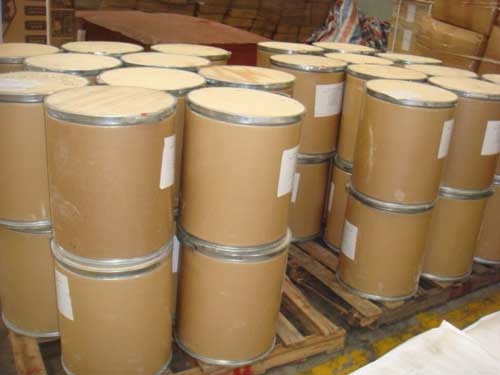
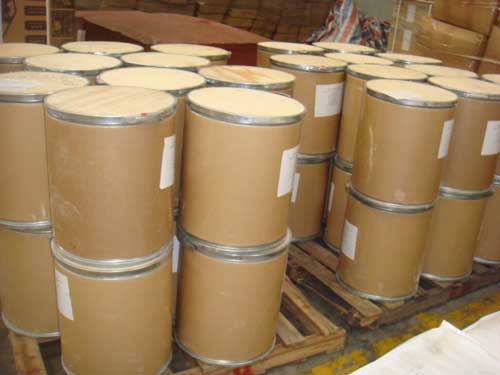
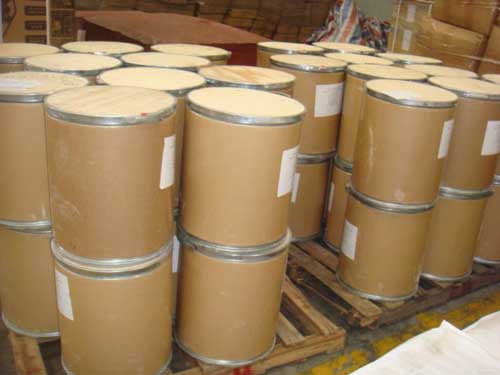
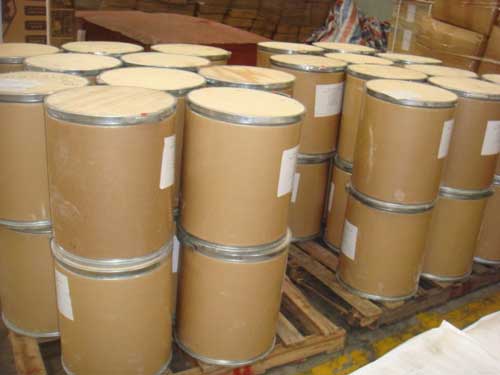
Carton or final packaging refers to the packaging that contains more than one primary pack product. It is primarily used for distribution purposes to its intended user’s location.
Carton or final packing should be able to protect the product from breakage, contamination, and extreme environmental conditions such as heat or cold. Additionally, the product inside can be easily identified. Depending on the dosage requirements, it should be effortlessly combined to form a desired dosage. The product should be easily managed without excessive human involvement or force.
This carton must be of appropriate dimensions so that standard primary packaging units can fit inside them. The carton or final packing can be easily picked up or handled by humans.
Labels
Labels indicate and mark the clinical drugs for their desired purpose. They also mention the user for which the drug is intended. Because clinical drugs are not manufactured for the general public and require the selection of patients. Labels indicate the product's specific purpose by marking it with a specific mark of identification. More importantly, the label should state that the drug is only for clinical purposes and cannot be consumed under regular drug requirements. The label's language must be accessible and understandable by the patients or people who could interact with the product, such as relatives, wives, and husbands.
If clinical trials involve the protection of the patient's identity, the labels should not disclose any information relevant to the patient. Instead, for identifying patients, a coding system should be used to reach the drug to its desired destination. There can be many coding forms, such as a barcode or QR code.
The label should contain the following information.
Detail of sponsor or investigator conducting the research
Instructions that the product is intended for clinical research purposes
Product identification details, such as
Product Name
Product batch number
Product serial number
Manufacturing date
<...Read More






























 (All Rights Reserved)