
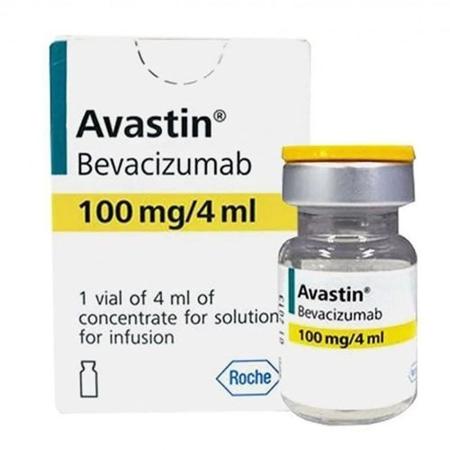
AstraZeneca and MSD Inc., Kenilworth, N.J., US (MSD: known as Merck & Co., Inc. inside the US and Canada) announced that a supplemental New Drug Application for Lynparza (olaparib) in combination with bevacizumab has been accepted and granted Priority Review in the US for the maintenance treatment of patients with advanced ovarian cancer who are in complete or partial response to 1st-line platinum-based chemotherapy with bevacizumab.
A Prescription Drug User Fee Act (PDUFA) date is set for the second quarter of 2020.
The Priority Review by the US Food and Drug Administration (FDA) was based on results from the pivotal Phase III PAOLA-1 trial, which were published in The New England Journal of Medicine. The trial compared Lynparza when added to standard-of-care (SoC) bevacizumab vs. bevacizumab alone in patients with advanced ovarian cancer in the 1st-line maintenance setting, regardless of their biomarker status or outcome from previous surgery.
The investigator-assessed results showed Lynparza added to bevacizumab reduced the risk of disease progression or death by 41% based on a hazard ratio of 0.59 (p<0.0001) and improved progression-free survival (PFS) to a median of 22.1 months vs. 16.6 months for patients treated with bevacizumab alone.
At two years after trial initiation, 46% of patients treated with Lynparza added to bevacizumab showed no disease progression vs. 28% of patients treated with bevacizumab alone. The safety and tolerability profiles of Lynparza and bevacizumab were consistent with previous trials for each medicine and showed no detriment to quality of life.
Lynparza is the only PARP inhibitor with two positive randomised Phase III trials in the 1st-line maintenance setting for advanced ovarian cancer. It is the only PARP inhibitor approved in the US as a 1st-line maintenance treatment for patients with BRCA-mutated advanced ovarian cancer, based on the SOLO-1 trial. If approved, this would be the fourth indication for ovarian cancer patients in the US for Lynparza.
Ovarian cancer
Ovarian cancer is the eighth most common cause of death from cancer in women worldwide. In 2018, there were nearly 300,000 new cases diagnosed and around 185,000 deaths.(1) Most women are diagnosed with advanced (Stage III or IV) ovarian cancer and have a five-year survival rate of approximately 30%.(2) For newly diagnosed advanced ovarian cancer, the primary aim of treatment is to delay progression of the disease for as long as possible and maintain the patient’s quality of life with the intent of achieving complete remission or cure.(3,4,5,6)
PAOLA-1
PAOLA-1 is a double-blind Phase III trial testing the efficacy and safety of Lynparza added to standard-of-care bevacizumab vs. bevacizumab alone, as a 1st-line maintenance treatment for newly diagnosed advanced FIGO Stage III-IV high-grade serous or endometroid ovarian, fallopian tube, or peritoneal cancer patients who had a complete or partial response to 1st-line treatment with platinum-based chemotherapy and bevacizumab.
Results showed Lynparza added to bevacizumab demonstrated a statistically significant and clinically meaningful improvement in PFS, reducing the risk of disease progression or death by 41% and improving PFS to a median of 22.1 months versus 16.6 months for those treated with bevacizumab alone (HR 0.59 [95% CI, 0.49-0.72], p<0.0001). The sensitivity analysis of blinded independent central review (BICR) of PFS was consistent, showing a similar improvement with a median of 26.1 months for Lynparza added to bevacizumab vs. 18.3 months for bevacizumab alone (HR 0.63 [95% CI, 0.51-0.77], p<0.0001).
Overall Grade 3 or above adverse events (AEs) were 57% for Lynparza added to bevacizumab and 51% for bevacizumab alone. The most common AEs ≥20% were nausea (53%), fatigue (53%), hypertension (46%), anaemia (41%), lymphopenia (24%), vomiting (22%) and arthralgia (22%). Grade 3 or above AEs were hypertension (19%), anaemia (17%), lymphopenia (7%), neutropenia (6%), fatigue (5%), nausea (2%), diarrhoea (2%), leukopenia (2%) vomiting (1%) and abdominal pain (1%). AEs led to dose interruption in 54% of patients on Lynparza added to bevacizumab while 20% of patients discontinued treatment.
PAOLA-1 is an ENGOT (European Network of Gynaecological Oncological Trial groups) trial, sponsored by ARC...

































 (All Rights Reserved)