
eTrueNorth is one of the largest providers of COVID-19 tests to Americans. With more than 700 sites located across the country, eTrueNorth allows Americans to schedule free COVID-19 tests via its website www.doIneedacovid19test.com. Drawing on the millions of COVID-19 tests performed since the beginning of the pandemic, eTrueNorth is offering advice to travelers on best practices when obtaining a COVID-19 test related to travel.
) Know the Requirements
"This is by far the most important bit of advice I can give Americans," said Coral May, eTrueNorth's CEO. "Understand the requirements of the airline, cruise ship, and destination country. The requirements are not uniform, and learning the requirements specific to your mode of travel and destination is paramount."
The rules are different and vary depending on how you are traveling (bus, airplane, rail, cruise ship, etc.) and where your final destination will be. From the length of time from testing to boarding date, to the testing method, there are many variables for travelers to understand.
It's also important to understand that these rules are being adapted and updated all the time with the changing situation, so check in often to determine if anything has changed that will affect your travel plans.
For example:
Not all destinations, airlines and cruise ships will accept an at-home COVID-19 test.
Some travel-related requirements demand the COVID-19 test be performed at a certified laboratory, while others will accept a rapid test. (See Tip #2 for explanation of laboratory test vs. rapid onsite test.)
Some want test results within 72 hours of travel, and others require results closer to your arrival date.
There are some destinations that want you to have a laboratory test before you board a plane and a rapid test when you arrive.
"Just know the requirements that are relevant to your travel plans," said May. "I recommend that the first step, even before you book tickets, is to understand exactly what the testing requirements are for travel and for your final destination. Don't assume. Ask specifics."
2.) Understand the Difference between RT-PCR (laboratory processed); NAAT (molecular rapid) and Point-of-Care Antigen (onsite rapid results)
In general, a PCR test is performed at an offsite traditional laboratory; a molecular NAAT test is usually run at the testing site. If the specimen (nasal swab or saliva) will be collected at one location and then shipped to a laboratory for processing, the PCR test typically requires three to four business days to obtain a result from the day of your specimen collection. Remember, the specimen will likely be shipped for overnight delivery to a laboratory. So, even if you arrive at the specimen collection site at 8 a.m., that specimen may not ship to a laboratory until that evening. Then, when your specimen arrives at the laboratory, there may be thousands of specimens in front of you. Finally, once the specimen is analyzed, it may need to be analyzed a second time. Hence, the process takes three to four business days. Oftentimes, results are available sooner, however plan on three to four days. If your specimen (nasal) is tested on a NAAT Rapid Molecular (Nucleic Acid Amplification Test) analyzer at the testing site, the results are typically available in several hours. Please note, not all travel modalities will accept NAAT test results.
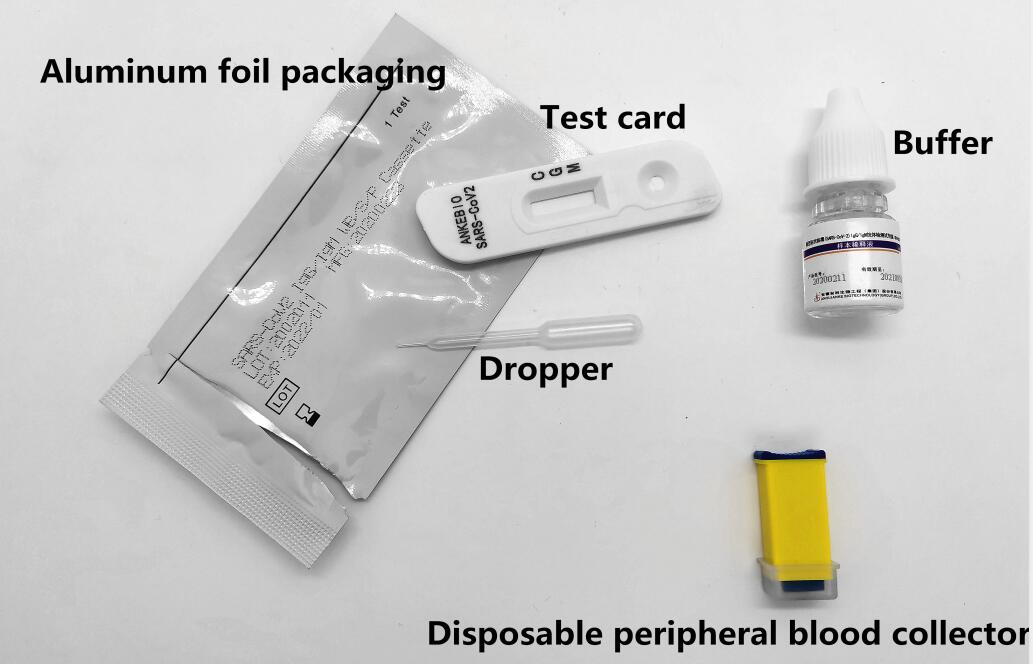
A rapid antigen test is typically performed onsite, with results provided "while you wait." For a rapid test, the specimen is collected and tested on a point-of-care medical device that will attempt to provide a test result...
























 (All Rights Reserved)