

1. What is Nicotinamide Mononucleotide (NMN)? (1),(3),(4)
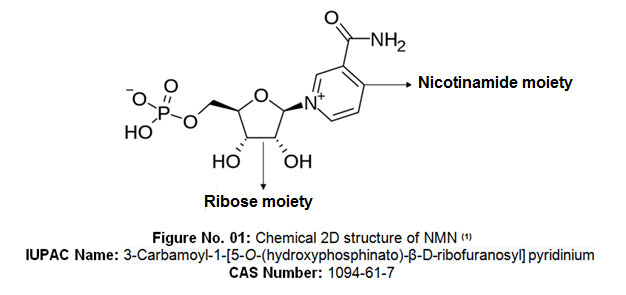
Nicotinamide Mononucleotide, abbreviated as NMN or β-NMN, is a nucleotide that is derived from Ribose and Nicotinamide, as illustrated in the following Figure No. 01.
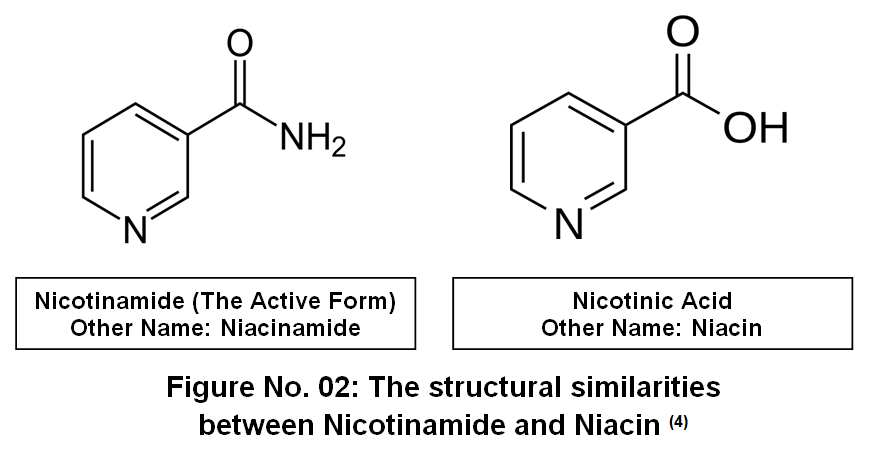
NMN can be considered as a Niacin derivative as well. The following Figure No. 02 illustrates the structural similarities between Nicotinamide and Niacin.
Other names of this compound are:
1. Nicotinamide ribonucleoside 5'-phosphate
2. Nicotinamide D-ribonucleotide
3. β-Nicotinamide ribose monophosphate
4. Nicotinamide nucleotide
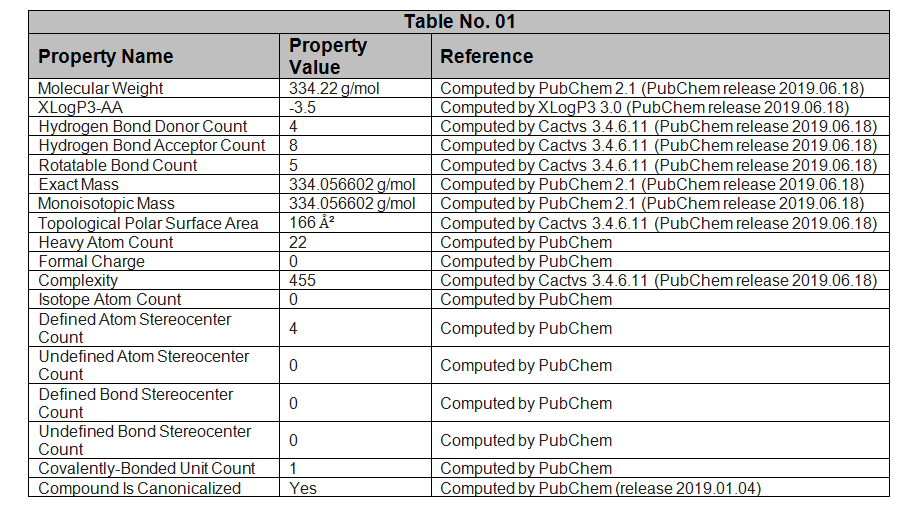
The following table No. 01 summarizes all the computed chemical characteristics of NMN (1).
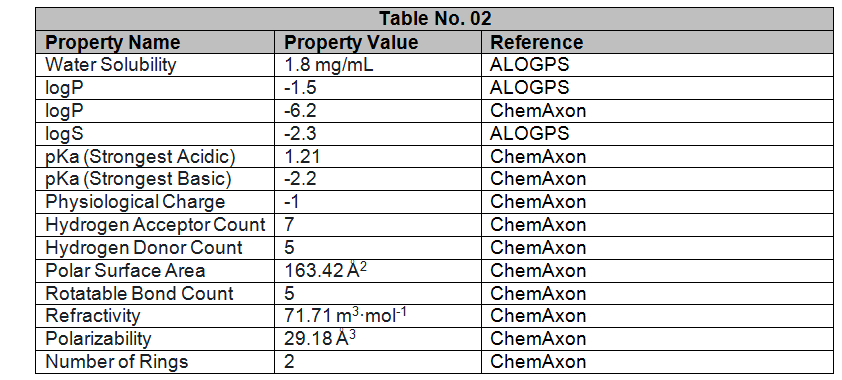
The following table No. 02 summarizes all the main predicted physical characteristics of NMN (3).
2. What are the specifications of NMN raw material? (2)
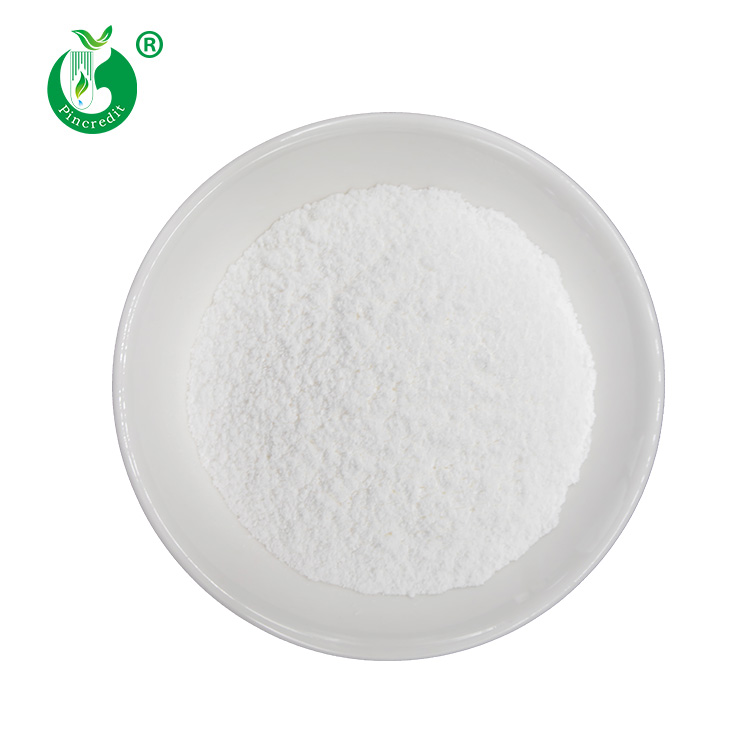
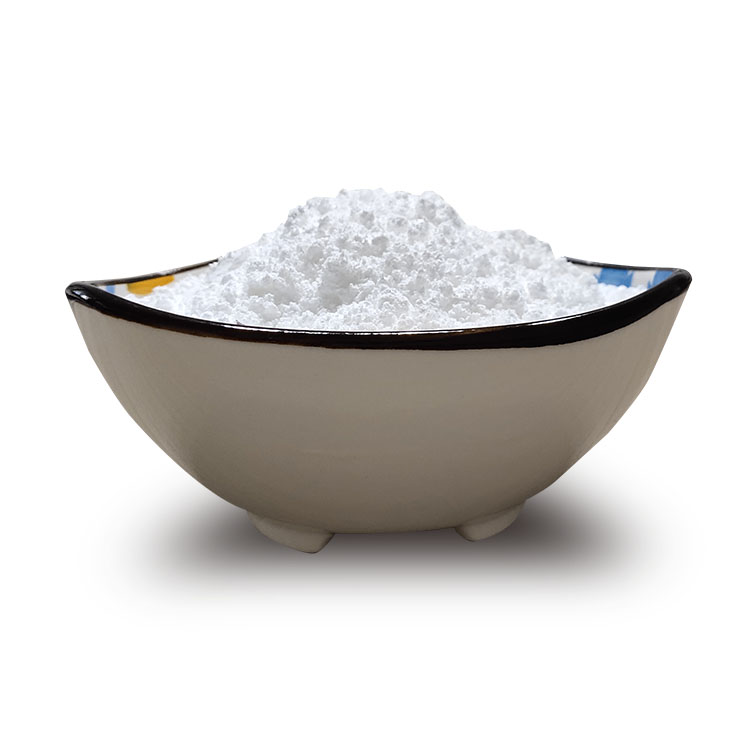
NMN is usually supplied in the form of white lyophilized powder. For the detailed technical specification of NMN raw material (e.g. physical description, identification, grade, purity, assay, water content, spectral analysis, metal content as well as the recommended storage conditions by the manufacturer), you can easily search through PharmaSources.Com platform for all relevant suppliers who are going to respond to any of your enquiries. You can either search in the information available in each supplier`s profile, or inquire the relevant Drug Master File (DMF) or Certificate of Analysis (COA) directly for any extra details.
3. How is NMN chemically synthesized? (5)
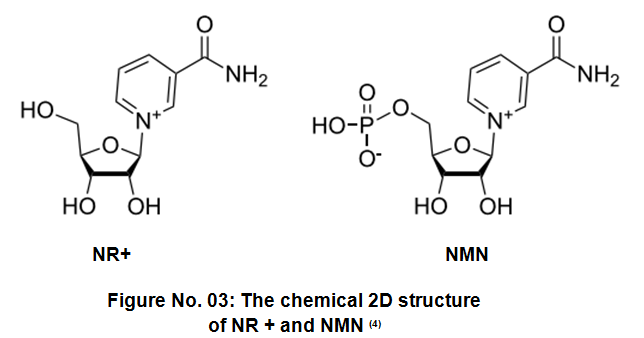
The manufacturing process of NMN starts by the synthesis of its precursor Nicotinamide Riboside NR+, which is also called: (β-D-Ribofuranosyl) Nicotinamide. Refer to the following Figure No. 03 to find the structural similarities between NR+ and its phosphorylated derivative NMN.
3.1 Zincke reaction:
While NMN can be found in many natural resources, but it can also be synthesized through Zincke reaction. This reaction involves the following two compounds:
N-(2,4- dinitrophenyl)-3-carbamoylpyridinium chloride (compound A) and 2′,3′- O-isopropylidene-α/β-D-ribofuranosylamine (compound B).
The following Figure No. 04 illustrates Zincke reaction.
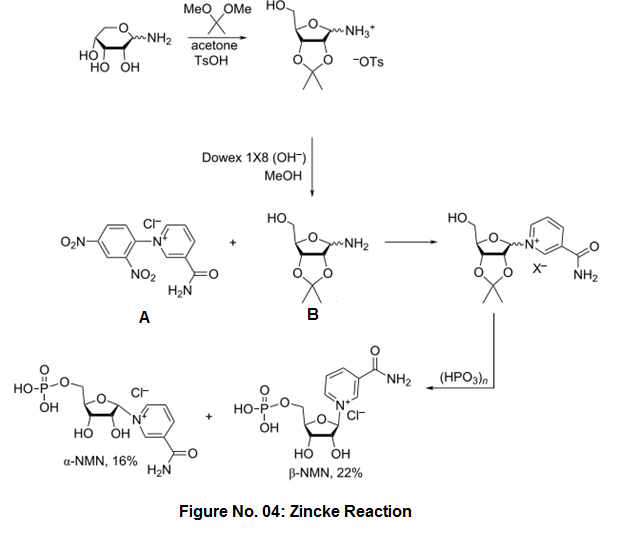
The reaction is completed using methanol at room temperature over night, and the crude mixture α/β-N-(2,3-O-isopropylidene-D-ribofuranosyl)-3-carbamoylpyridinium salt should be separated and phosphorylated with meta-phosphoric acid to produce a mixture of α/β-NMN.
Both anomers need to be separated using column chromatography. Reported reactions yields are: 22% for the β-NMN anomer and 16% for the α -NMN anomer.
3.2 Zincke reaction starti...
























 (All Rights Reserved)