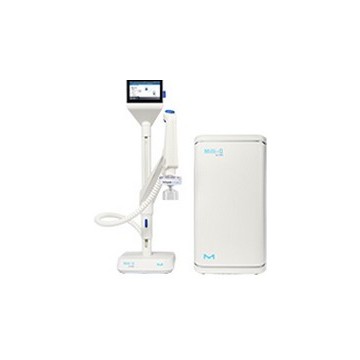
Product Description
请给我打电话,了解更多
Merck Chemicals (Shanghai) Co., Ltd. is the subsidiary of the globally operating group Merck KGaA, Darmstadt (Germany) and provides Chinese market with high quality life science and chemical products and services
The contact persons for the specific product groups of the Chemicals businesses are listed on the website of Merck Group in China.
AI Product Description
*The following content is generated by AI and is for reference only.
Zinc chloride, chemically represented as ZnCl₂, is a versatile inorganic compound widely utilized across diverse industrial sectors due to its unique hygroscopic nature and potent chemical properties. As a white crystalline solid that readily dissolves in water, alcohol, and ether, it serves primarily as a flux in metal soldering and galvanizing processes. In these applications, it effectively removes oxide layers from metal surfaces, ensuring strong, clean bonds during the joining of steel and other alloys. Furthermore, zinc chloride plays a critical role in the production of batteries, particularly in alkaline and dry-cell types, where it acts as an electrolyte component to facilitate efficient ion transfer.
Beyond metallurgy and energy storage, this compound finds extensive use in organic synthesis as a Lewis acid catalyst. It accelerates various chemical reactions, including dehydration, esterification, and polymerization, making it indispensable in pharmaceutical manufacturing and fine chemical production. Additionally, zinc chloride is employed in wood preservation treatments to protect timber against rot and insect damage, while also serving as a mordant in textile dyeing to fix colors onto fabrics. Its ability to generate intense heat upon dissolution with water makes it useful in specialized fire-retardant formulations.
However, handling zinc chloride requires strict adherence to safety protocols. The substance is highly corrosive to skin, eyes, and respiratory tissues. Direct contact can cause severe burns, and inhalation of dust or mists may lead to significant respiratory irritation. When dissolved in water, the process is exothermic, posing a risk of thermal injury if not managed properly. Protective equipment, including gloves, goggles, and respirators, is mandatory during handling. Storage must occur in tightly sealed containers within cool, dry environments to prevent moisture absorption and accidental leakage. Proper disposal procedures are essential to avoid environmental contamination, as high concentrations can be toxic to aquatic life. By respecting these precautions, industries can safely leverage the multifaceted benefits of zinc chloride for manufacturing, research, and protective applications.






 (All Rights Reserved)