full-cream milk powder, Ga prion, cocoa, milk, milk substitute, egg white (yellow). Oats, Jishi, coffee, instant tea, spices seasoning meat, protein, soybean, peanut protein, such as protein hydrolysate. Corn pulp, corn starch, glucose, pectin, maltose, Yamanashi, stuffed potassium, pumpkin powder.
*The following content is generated by AI and is for reference only.
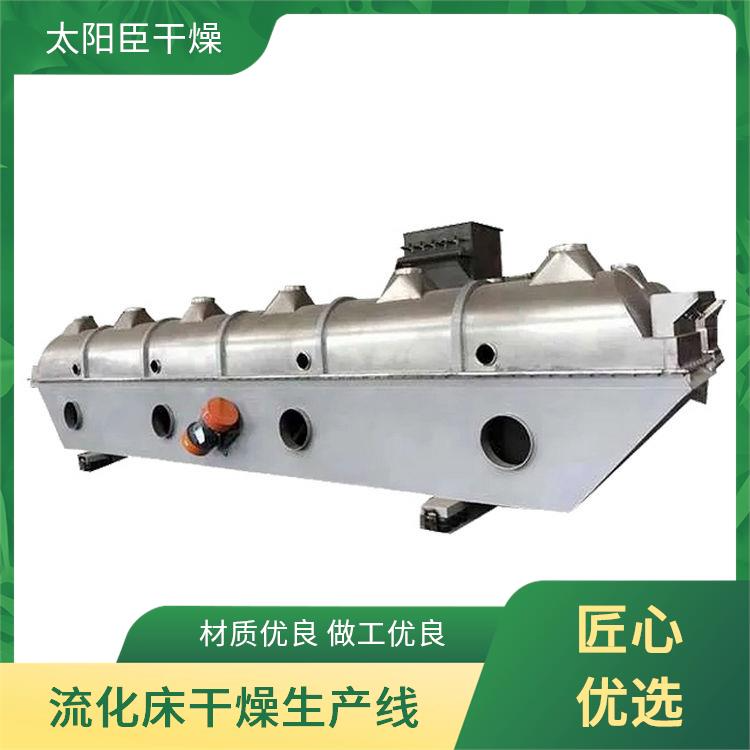
The product referenced is a specialized industrial drying system designed for the rapid and uniform dehydration of heat-sensitive materials through a combination of high-pressure atomization and controlled thermal environments. Primarily utilized in pharmaceutical, chemical, food processing, and biotechnology sectors, this equipment excels at converting liquid solutions, suspensions, or slurries directly into dry powders with precise particle size distribution. Unlike traditional tray or fluidized bed dryers, this technology utilizes a pressurized spray nozzle to create an ultra-fine mist, which instantly interacts with hot air currents within a sealed chamber. This process ensures minimal thermal degradation, preserving the biological activity of enzymes, vitamins, and sensitive active ingredients while achieving consistent moisture content levels essential for product stability and shelf life.
Key operational advantages include high efficiency, compact footprint, and the ability to handle viscous feeds that are difficult to process by other means. The system typically features automated control over inlet and outlet temperatures, airflow velocity, and spray pressure, allowing operators to tailor the drying curve to specific material properties. Safety protocols are paramount during operation due to the high pressures involved and the potential for static electricity buildup with fine powders. Operators must ensure proper grounding of all components and strictly adhere to explosion-proof regulations when handling flammable solvents or dust-prone materials. Regular maintenance of nozzles and filters is critical to prevent clogging and maintain spray consistency. Furthermore, adequate ventilation and dust extraction systems must be integrated to protect personnel from airborne particulates. Before startup, thorough inspection of seals, gaskets, and pressure relief valves is mandatory to prevent leaks or catastrophic failures. Training staff on emergency shutdown procedures and proper cleaning techniques for cross-contamination prevention is also essential. By adhering to these guidelines, facilities can maximize yield quality, ensure regulatory compliance, and extend the operational lifespan of the equipment effectively.




 (All Rights Reserved)