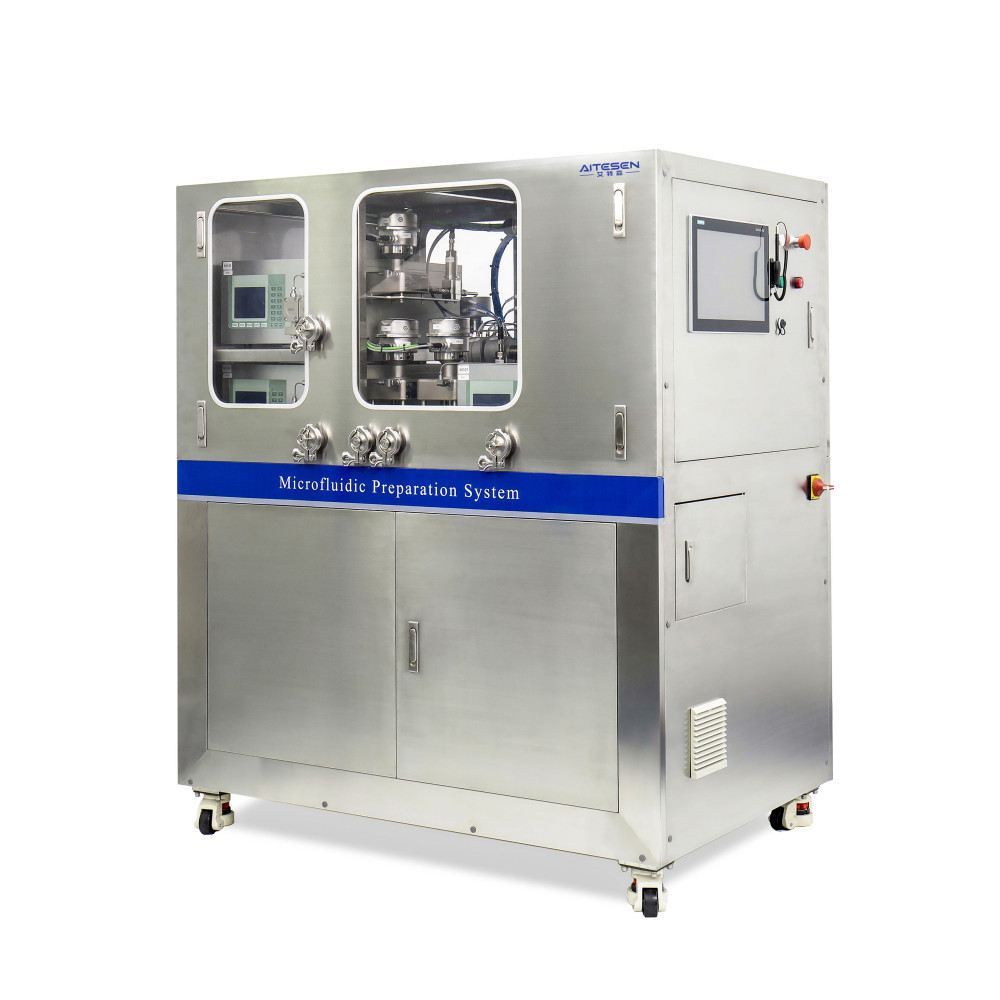
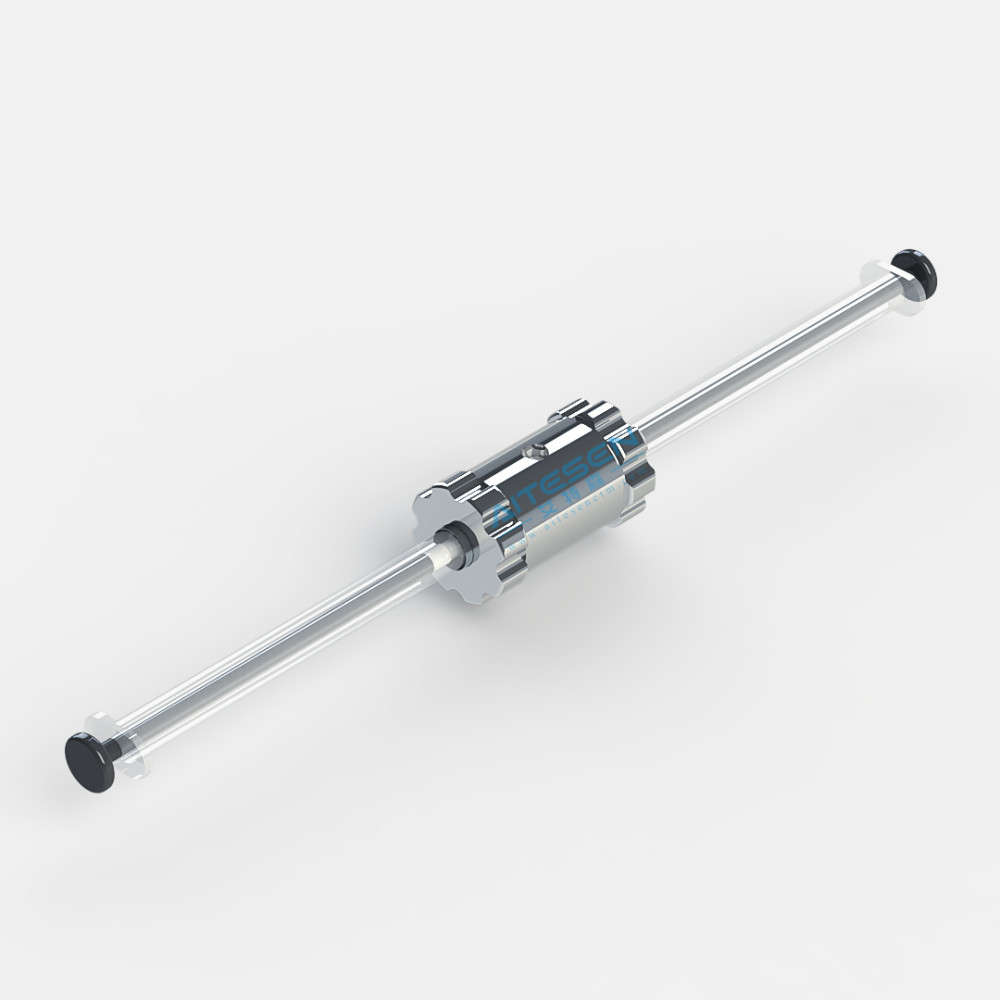
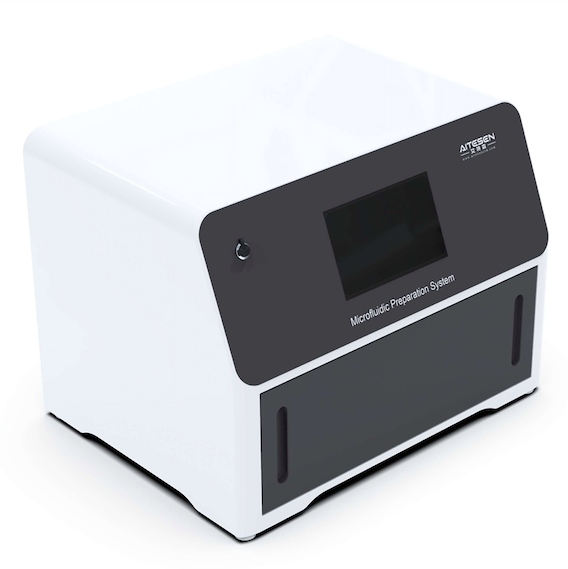
The main equipment of refined distillation device for ethanol is recoveringlower.The equipment uses the principle that the boiling point of ethanol is lower than that of water and their solution.
*The following content is generated by AI and is for reference only.
The ethanol recovery tower is a specialized distillation unit designed for the efficient separation and purification of ethanol from fermentation broths, waste streams, or industrial solvent mixtures. Its primary function relies on fractional distillation principles, where heated vapor rises through a series of trays or packing materials while cooler liquid descends, facilitating mass and heat transfer. This process allows for the concentration of ethanol to high purity levels, often exceeding 95%, making it ideal for reuse in pharmaceutical manufacturing, beverage production, biofuel blending, and chemical synthesis. By recovering ethanol rather than discarding it, facilities significantly reduce raw material costs and minimize environmental impact through reduced waste discharge.
Operational safety is paramount when utilizing these systems due to the flammable nature of ethanol vapors. Equipment must be installed in well-ventilated areas equipped with explosion-proof electrical components and gas detection sensors to monitor potential leaks. Operators should strictly adhere to temperature and pressure limits specified by the manufacturer to prevent column flooding or dry-out conditions, which can compromise product quality or damage internal structures. Regular maintenance of reflux condensers, reboilers, and control valves is essential to ensure consistent performance. Additionally, proper grounding is critical to eliminate static electricity hazards during filling and emptying cycles. Personnel must wear appropriate personal protective equipment, including flame-resistant clothing and eye protection, when handling hot surfaces or concentrated alcohol. Before initiating any operation, a thorough leak check and system purge with inert gas are recommended to remove oxygen and prevent explosive mixtures. The system should also include emergency shutdown protocols and fire suppression mechanisms integrated into the design. Training staff on standard operating procedures and emergency response plans ensures safe and efficient long-term operation, maximizing both economic returns and workplace safety standards.




 (All Rights Reserved)