Molecular Distillation is applied for creating a high value clear CBD distillate from crude hemp oil that can be infused into a variety of edible products or fine oils to be used in vape cartridges or other products
*The following content is generated by AI and is for reference only.
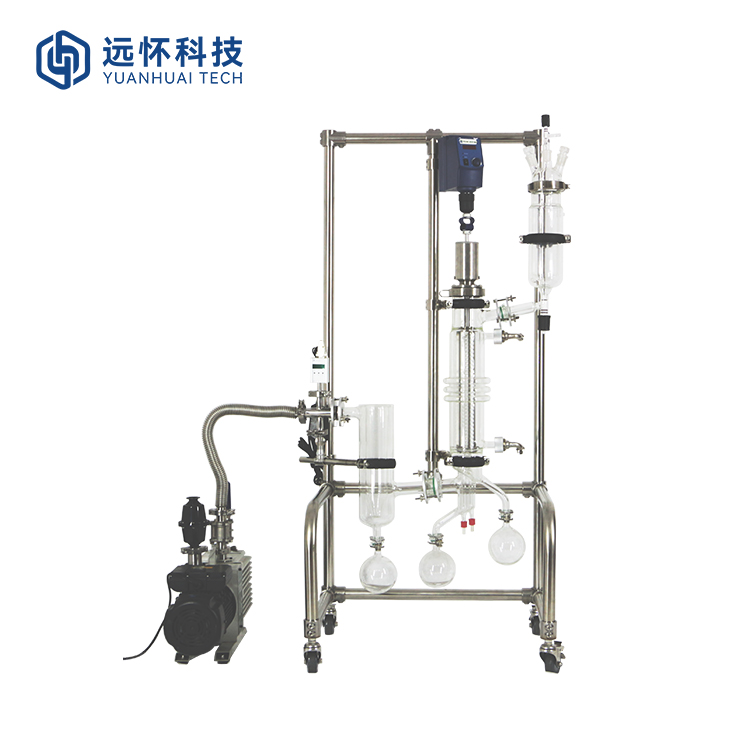
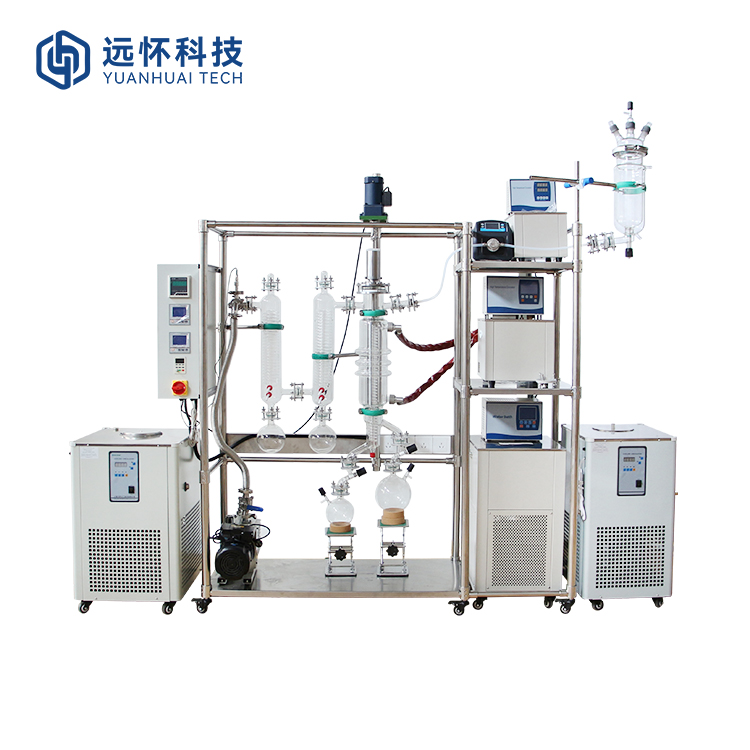
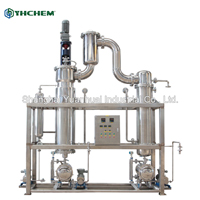
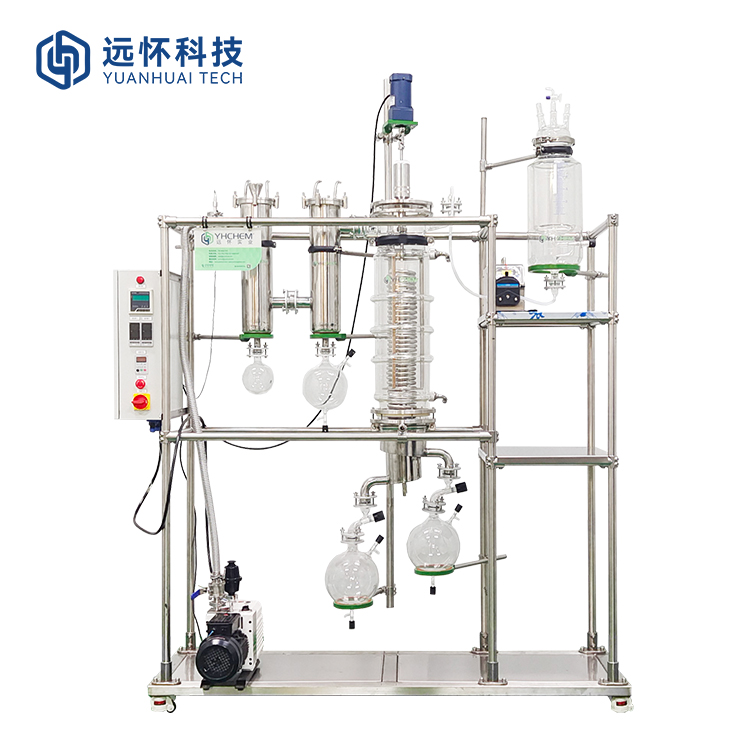
The equipment described is a wiped film molecular distillation unit, a specialized thin-film evaporator designed for the high-purity separation of heat-sensitive and high-boiling-point materials. Operating under deep vacuum conditions, this technology enables separation at temperatures significantly lower than the boiling points of the components, thereby preventing thermal degradation, oxidation, or polymerization. It is widely utilized in industries such as pharmaceuticals, nutraceuticals, fine chemicals, and food processing to isolate valuable compounds like vitamins, fatty acids, essential oils, and steroid intermediates from complex mixtures.
The core mechanism involves feeding the raw material onto a rapidly rotating wiper blade system within a heated cylindrical chamber. This action creates a thin, turbulent liquid film on the heating surface, maximizing heat transfer efficiency while minimizing residence time. The vaporized lighter components travel a short distance to a condenser located close to the evaporation surface, ensuring efficient collection without re-mixing with heavier residues. This process is particularly effective for separating substances with very small differences in volatility that are difficult to separate via conventional fractional distillation.
Key operational precautions include maintaining an ultra-high vacuum environment to ensure proper mean free path for molecular flow; any air leakage can severely compromise separation efficiency and product quality. Operators must strictly control feed rates and heating temperatures to avoid dry-running the wipers, which could damage the sealing surfaces or the rotor assembly. Additionally, since these units often handle flammable or reactive solvents, rigorous explosion-proof measures and inert gas purging are mandatory during startup and shutdown procedures. Regular maintenance of mechanical seals and lubrication systems is critical due to the high rotational speeds involved. Safety protocols must also address the risks associated with high-temperature surfaces and the potential for sudden pressure changes. Proper training is essential for all personnel to manage the delicate balance between throughput and product purity, ensuring the longevity of the equipment and the consistency of the final output.





 (All Rights Reserved)