Product Description
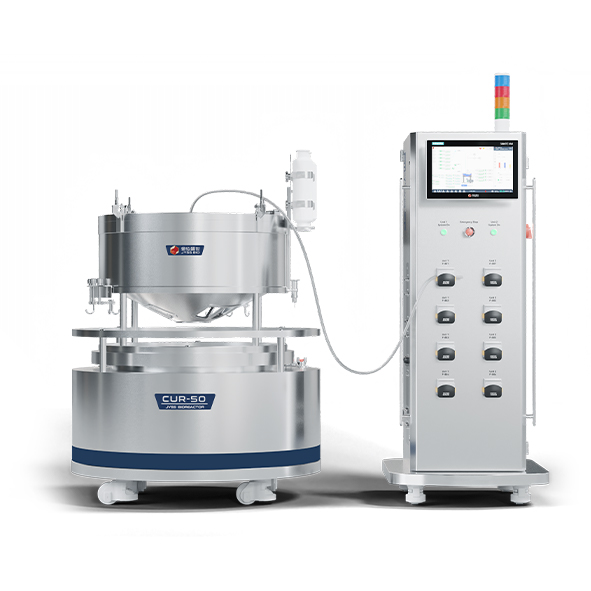
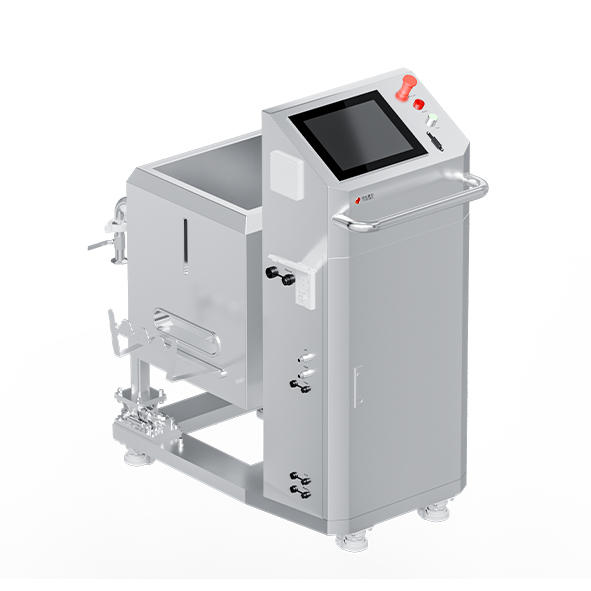
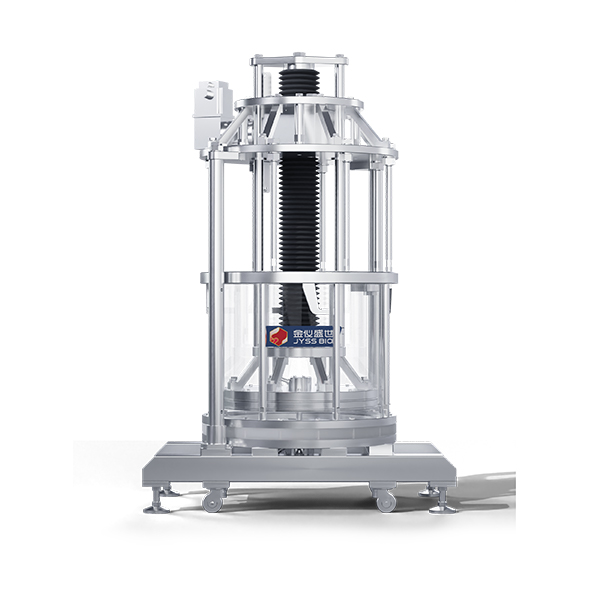
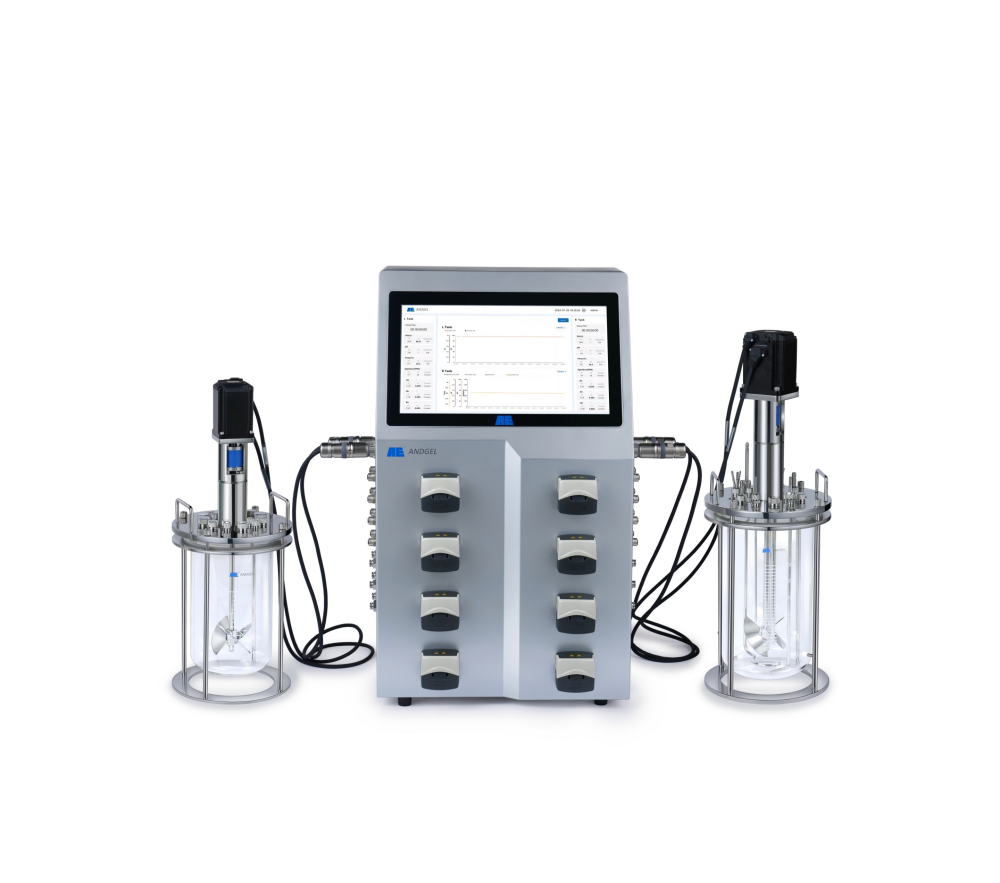
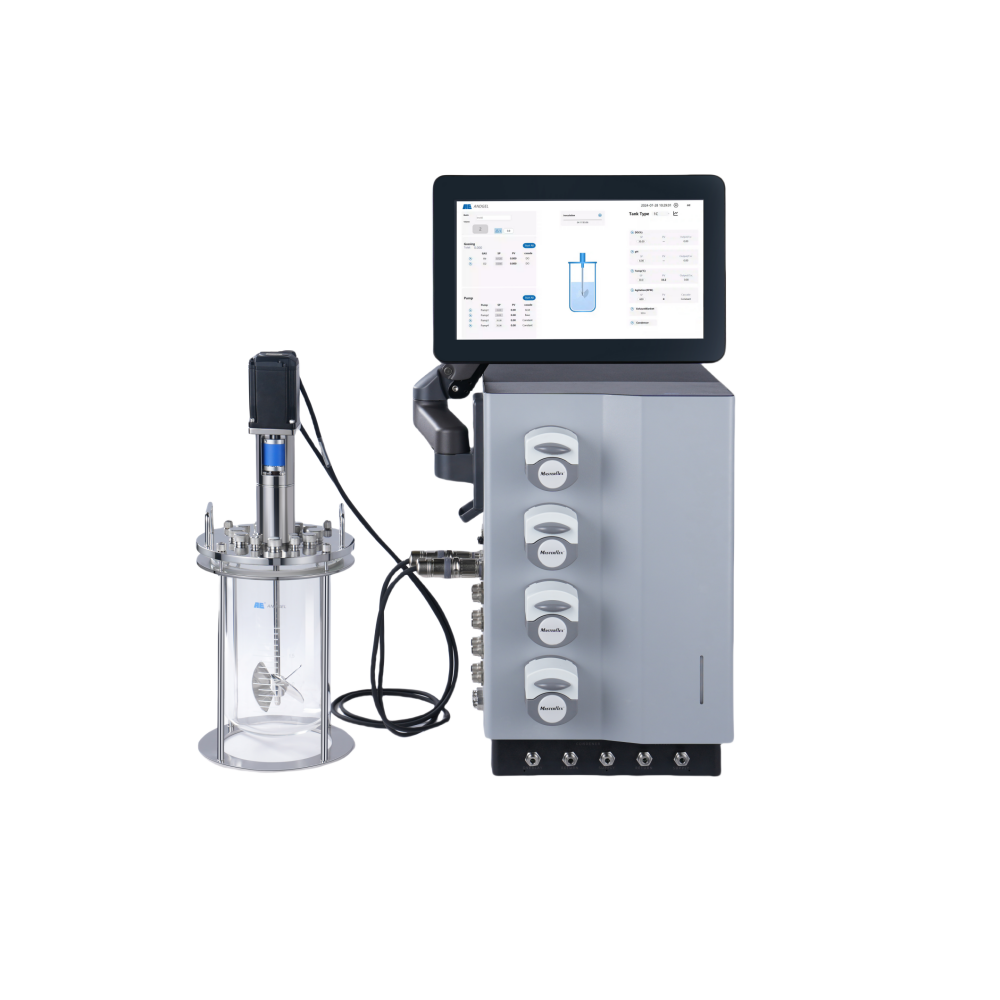
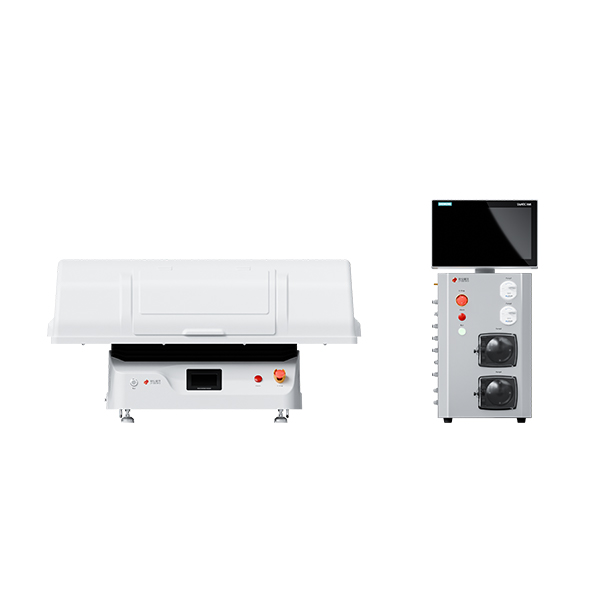
GER series wave bioreactor is an efficient cell culture system,with optional sensor modules and the automated control software
system, and paired with the GER single-use wave-mixed bioreactor bags. The working volume can reach 25L, providing solutions for
general life science research in the biopharmaceutical field, seed tank cultivation, and cGMP production.
AI Product Description
*The following content is generated by AI and is for reference only.
The GER Wave-Mixed Bioreactor represents a sophisticated platform designed for advanced cell culture applications, particularly in the biopharmaceutical and research sectors. This system utilizes a unique rocking motion to gently mix culture media within disposable bags, eliminating the need for mechanical stirrers or spargers that can cause shear stress to sensitive cells. The primary purpose of this technology is to support high-density cultivation of mammalian cells, such as CHO, HEK293, and hybridoma lines, which are critical for producing monoclonal antibodies, recombinant proteins, and viral vectors. By maintaining optimal oxygen transfer rates and nutrient distribution through wave agitation, the bioreactor ensures consistent growth conditions while minimizing contamination risks associated with rigid stainless-steel vessels.
Key operational advantages include the use of single-use disposable bags, which significantly reduce cleaning validation time, cross-contamination hazards, and overall facility downtime between batches. The system allows for precise control over environmental parameters, including temperature, pH, dissolved oxygen, and perfusion rates, enabling scalable processes from laboratory development to commercial manufacturing. Operators must adhere to strict sterilization protocols before installation, ensuring all connections remain aseptic throughout the run. It is crucial to monitor bag integrity regularly to prevent leaks during prolonged cultures. Additionally, users should calibrate sensors frequently to maintain data accuracy and avoid fluctuations that could compromise cell viability. Proper handling of the disposable components is essential to avoid physical damage, which might lead to catastrophic failure during operation. While the system offers flexibility for various working volumes, selecting the appropriate bag size relative to the fill volume is vital to ensure efficient mixing dynamics. Overall, this technology provides a robust, cost-effective solution for modern bioprocessing needs, facilitating rapid scale-up and enhancing productivity in therapeutic protein production workflows.



 (All Rights Reserved)