Product Description
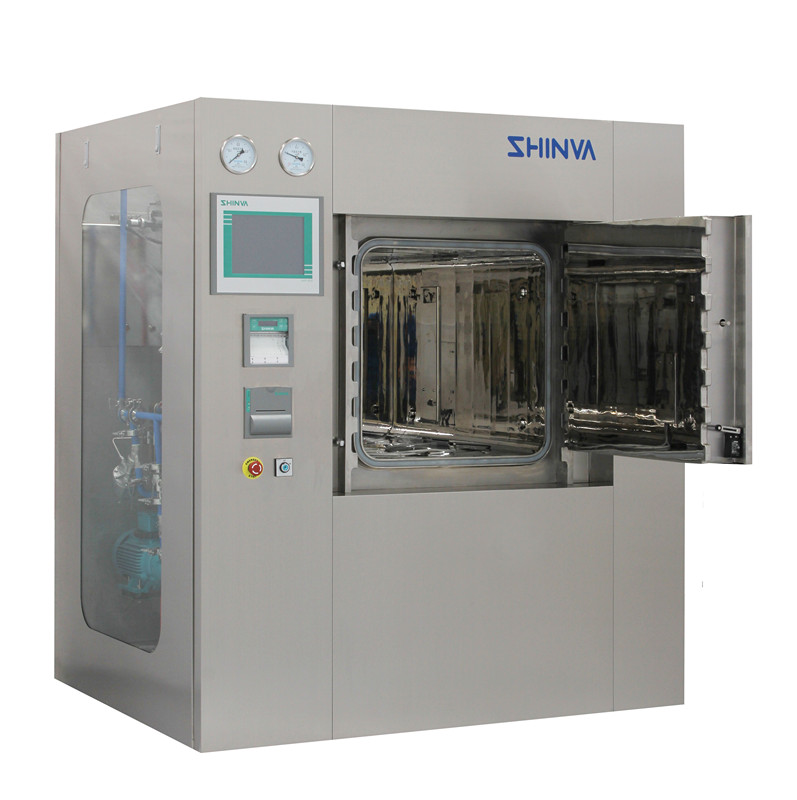
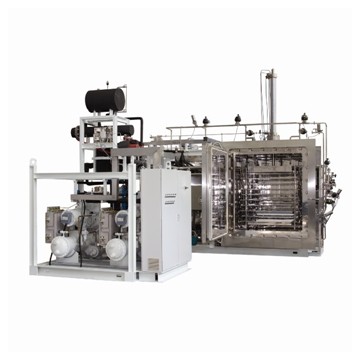
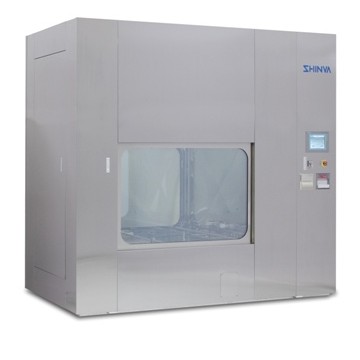
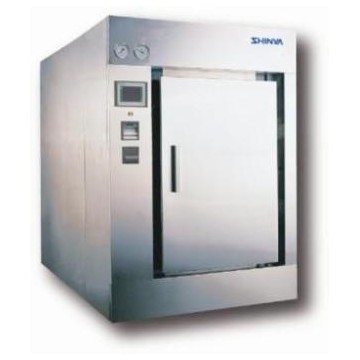
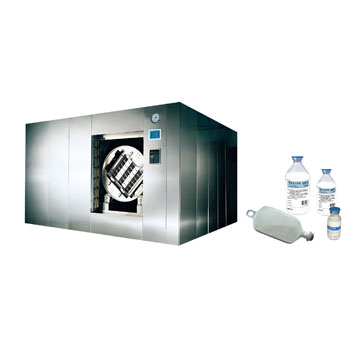
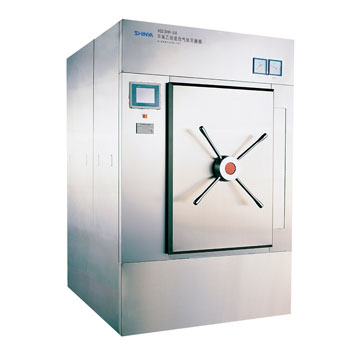
XG2.SH Series Ethylete Oxide Sterilizer,with ethylene oxide as the sterilizing medium, is mainly used in the sterilization of medical polymer materials, medical electronic instruments, etc., which can not stand heat and damp. It has auto control function
AI Product Description
*The following content is generated by AI and is for reference only.
The XG2.SH Series Ethylene Oxide Sterilizer represents a critical class of medical and industrial sterilization equipment designed to ensure the highest standards of microbial safety for heat-sensitive and moisture-sensitive items. This specialized system utilizes ethylene oxide (EtO) gas, a potent alkylating agent, to effectively eliminate bacteria, viruses, fungi, and bacterial spores that often survive conventional steam or dry heat methods. It is widely employed in healthcare facilities, pharmaceutical manufacturing, and research laboratories to sterilize complex medical devices such as endoscopes, surgical instruments with long lumens, plastic catheters, and various diagnostic tools that cannot withstand high temperatures.
The operational process involves precise control over temperature, humidity, gas concentration, and exposure time within a sealed chamber. The cycle typically includes preconditioning, gas introduction, holding periods, and extensive aeration phases to remove residual EtO from the treated load, ensuring product safety for patient use. Due to the highly flammable and toxic nature of ethylene oxide, strict adherence to safety protocols is paramount. Operators must wear appropriate personal protective equipment and work in well-ventilated areas equipped with gas detection systems. Regular maintenance of seals, valves, and monitoring sensors is essential to prevent leaks and ensure cycle efficacy. Furthermore, proper aeration is non-negotiable, as residual gas can be harmful to human health. Facilities utilizing this equipment must comply with rigorous environmental regulations regarding emissions and waste disposal. Ultimately, while the technology requires careful handling and significant infrastructure investment, it remains indispensable for sterilizing advanced medical technologies where alternative methods fail, guaranteeing sterile conditions essential for modern patient care and public health safety.




 (All Rights Reserved)