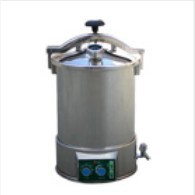
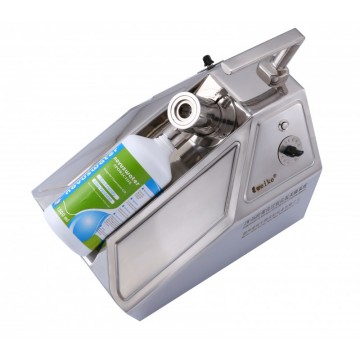
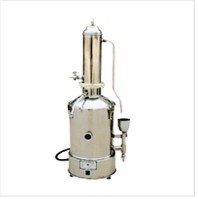
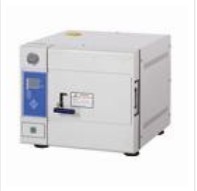
Product Description
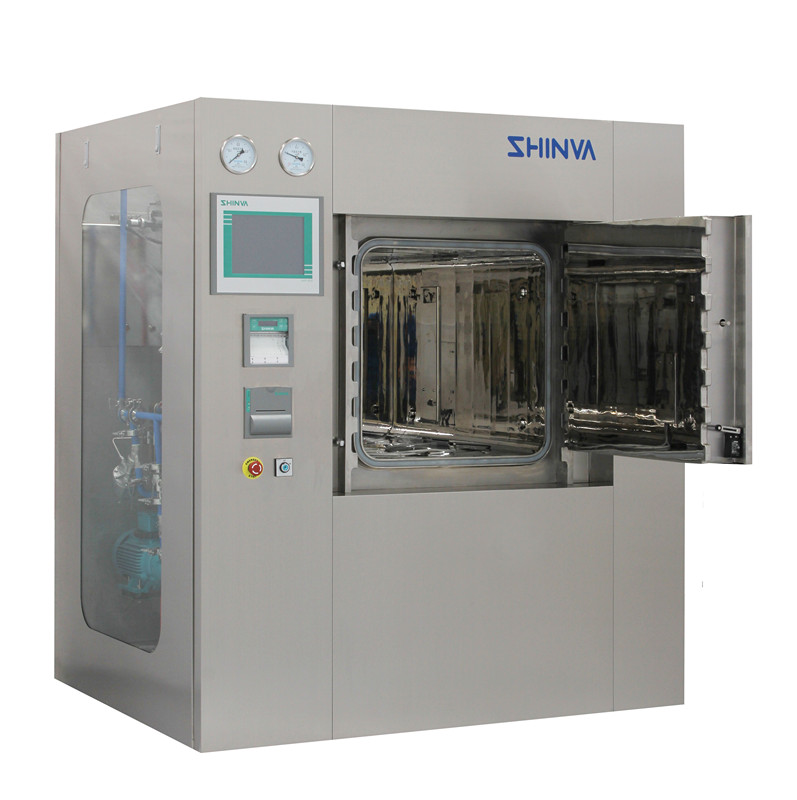
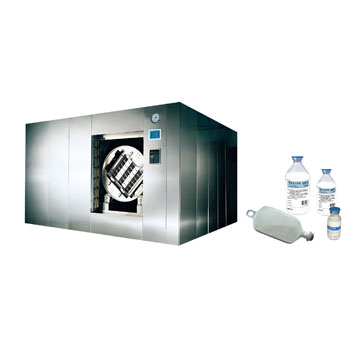
It adopts hot water as working medium for heating and sterilizing packed lechdom by means in a means of spraying, the moving process of sterilization results in a uniform heating, thus improves the quality of sterilization.
AI Product Description
*The following content is generated by AI and is for reference only.
The XPSM Series Dynamic Water Bath Sterilizer represents a sophisticated class of laboratory and industrial autoclaving equipment designed for the reliable sterilization of heat-sensitive liquids, culture media, and glassware. Unlike static water bath systems, this dynamic model utilizes continuous circulation technology to ensure uniform temperature distribution throughout the chamber. This active mixing prevents thermal stratification, guaranteeing that every item reaches the required sterilization parameters precisely, which is critical for maintaining sterility in biological research, pharmaceutical manufacturing, and clinical diagnostics.
The primary function of this equipment is to eliminate all forms of microbial life, including bacteria, viruses, fungi, and spores, by subjecting contents to saturated steam under pressure or controlled hot water immersion at specific temperatures over a defined duration. The dynamic water flow mechanism significantly reduces cycle times compared to traditional methods while enhancing the consistency of results across large batches. It is particularly advantageous for sterilizing viscous solutions or large volumes of liquid where heat penetration can be challenging.
Operating such a device requires strict adherence to safety protocols to prevent accidents and ensure equipment longevity. Users must never seal containers tightly before processing, as internal pressure buildup could cause explosions. It is essential to verify that all materials are compatible with high-temperature environments to avoid deformation or contamination. Regular maintenance of the water level, filtration system, and heating elements is mandatory to prevent scaling and ensure efficient heat transfer. Furthermore, operators should always wear appropriate personal protective equipment, including heat-resistant gloves and face shields, when loading or unloading the chamber to guard against scalding from escaping steam or hot liquids. Proper ventilation in the operating area is also crucial to dissipate excess heat and moisture. By following these guidelines and adhering to standard operating procedures, laboratories can achieve optimal sterilization performance while maintaining a safe working environment for all personnel involved in the process.




 (All Rights Reserved)