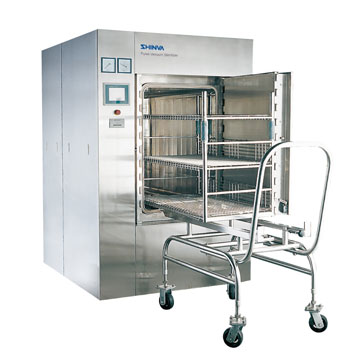
Product Description
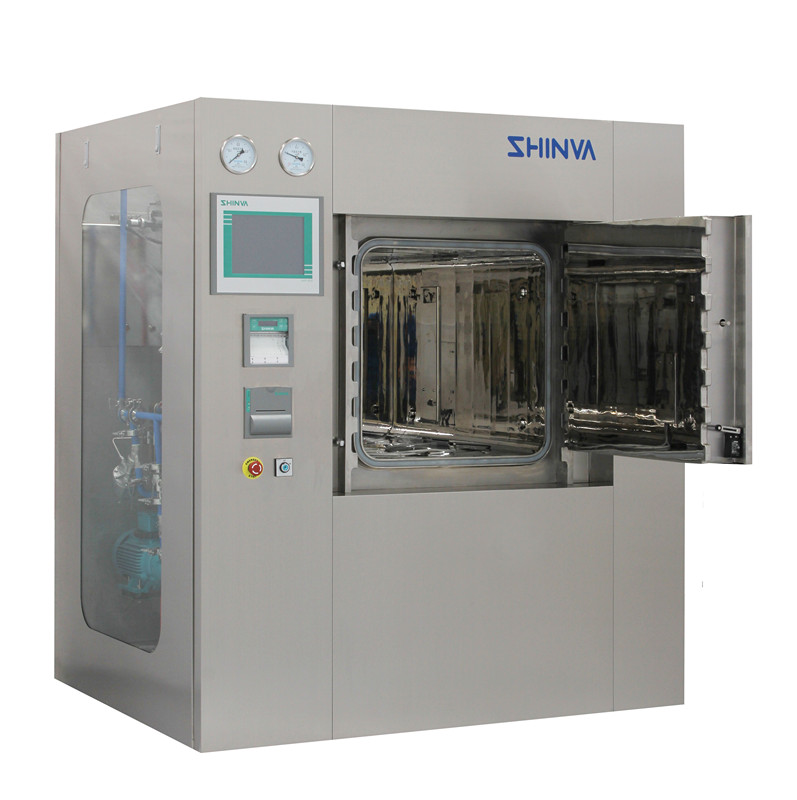
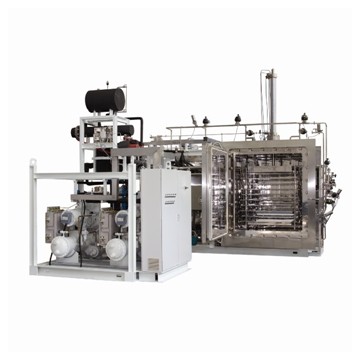
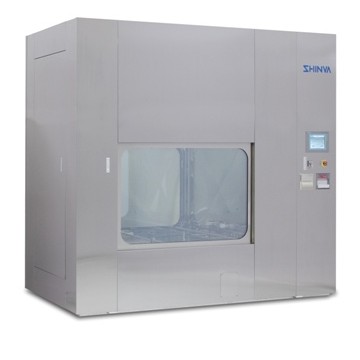
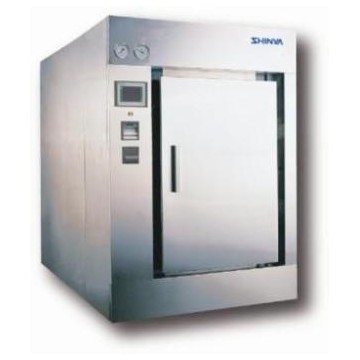
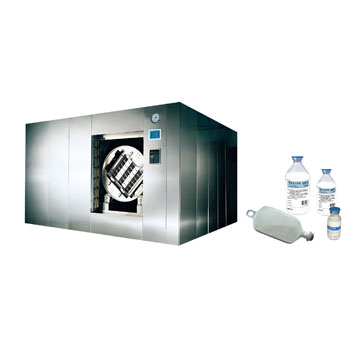
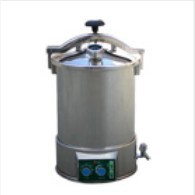
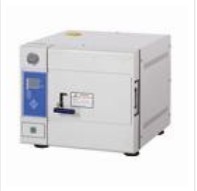
This series of sterilizer is widely used for the sterilization of biology products, vessels, aseptic clothes, instruments and medical dressing, which require good sterilization effect in areas of biology engineering, medical hygiene, animal laboratory an
AI Product Description
*The following content is generated by AI and is for reference only.
The XG1.D Series Pulse Vacuum Sterilizer represents a high-performance class of autoclave equipment designed for critical sterilization applications in medical, dental, and laboratory environments. Unlike traditional gravity displacement units, this technology utilizes advanced pulse vacuum cycles to rapidly remove air from the chamber and replace it with saturated steam. This process ensures superior penetration into porous loads, hollow instruments, and complex geometries, effectively eliminating microbial contaminants including bacterial spores that are notoriously resistant to standard sterilization methods.
The primary purpose of this equipment is to guarantee absolute sterility for reusable surgical tools, glassware, fabrics, and fluids prior to patient use or experimental procedures. By employing multiple vacuum pulses, the device minimizes cycle times while maximizing drying efficiency, significantly reducing the risk of wet packs which can compromise sterile barriers post-process. The system typically features programmable microprocessors that allow users to select specific cycles based on load types, ensuring compliance with rigorous international safety standards such as ISO 17665 and AAMI guidelines.
Operating these sterilizers requires strict adherence to safety protocols. Users must ensure all items are properly packaged and loaded to allow adequate steam circulation; overloading can lead to sterilization failure. Regular maintenance is crucial, including daily Bowie-Dick tests to verify air removal efficacy and periodic biological indicator testing to confirm kill rates. It is imperative to use only distilled or deionized water to prevent mineral buildup that could damage heating elements or sensors. Additionally, personnel must be trained in emergency shutdown procedures and wear appropriate personal protective equipment when handling hot loads. Proper ventilation of the room is also necessary to dissipate heat and moisture generated during operation. Ultimately, consistent monitoring and calibration are essential to maintain the reliability and safety of this vital infection control tool.




 (All Rights Reserved)