Product Description
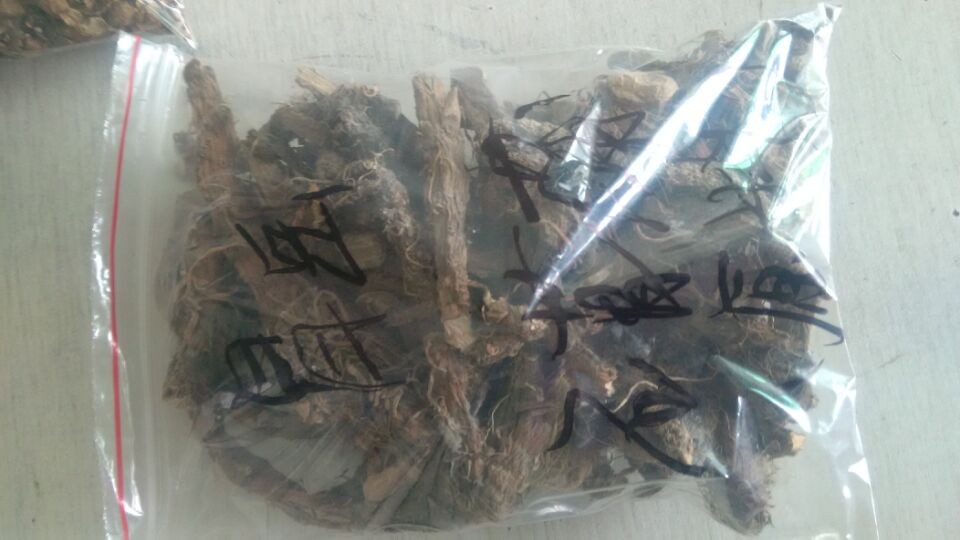
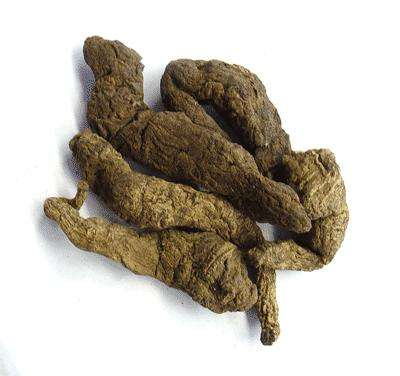
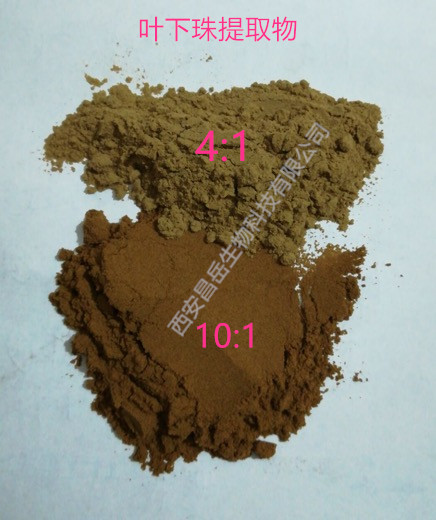
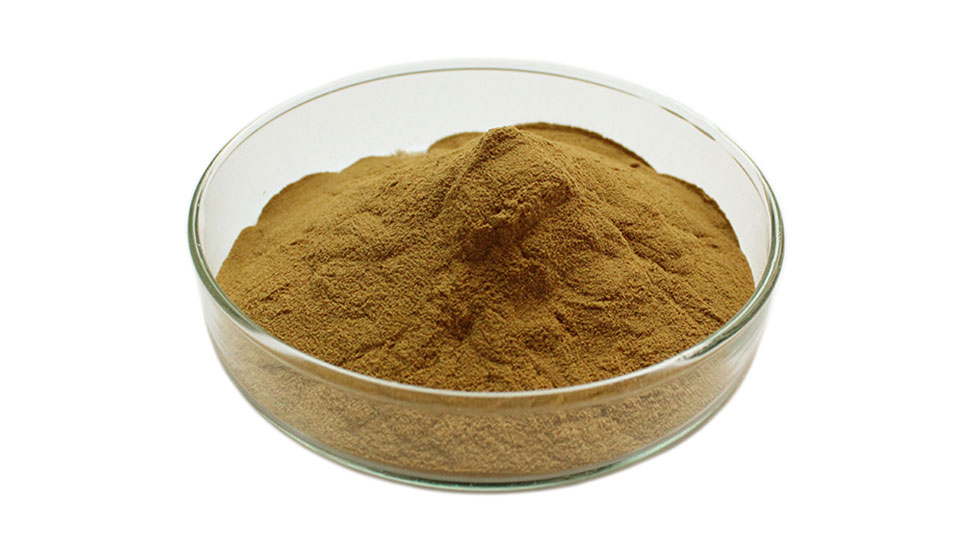
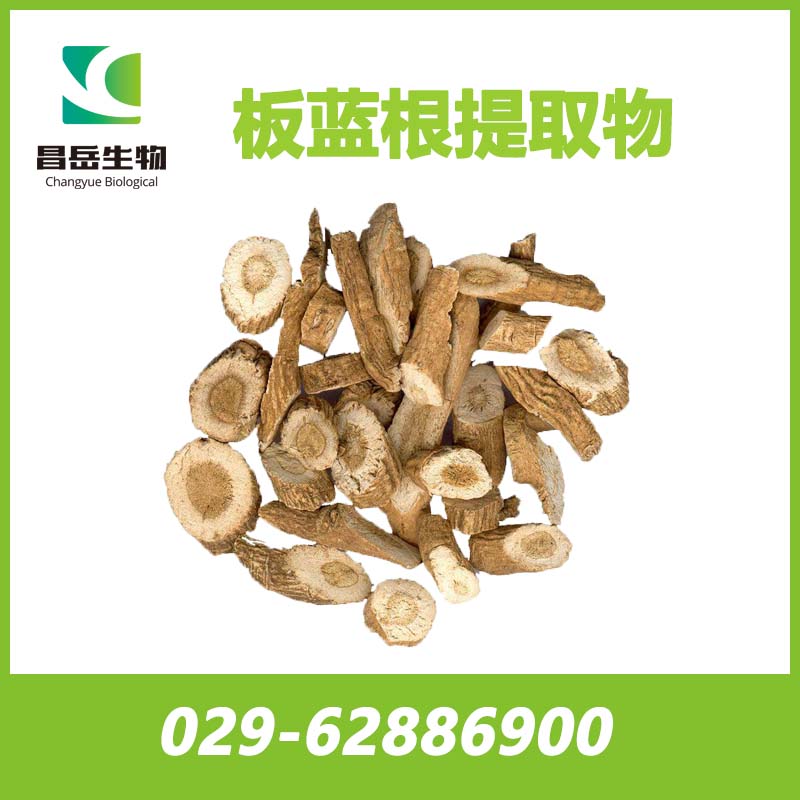
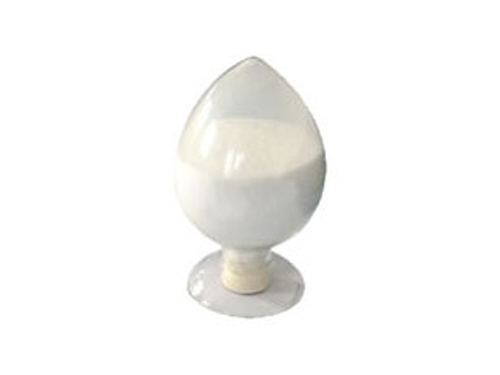
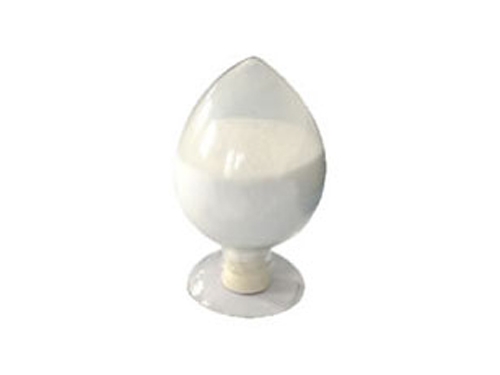
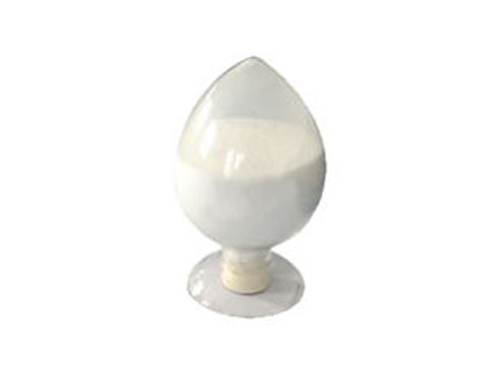
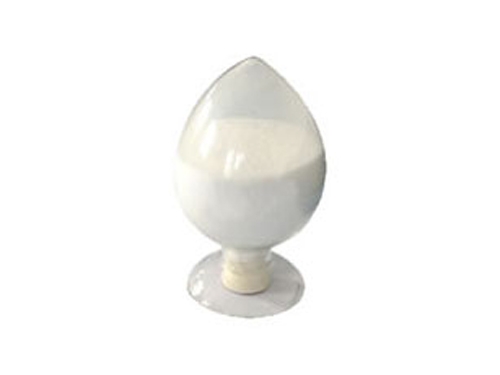
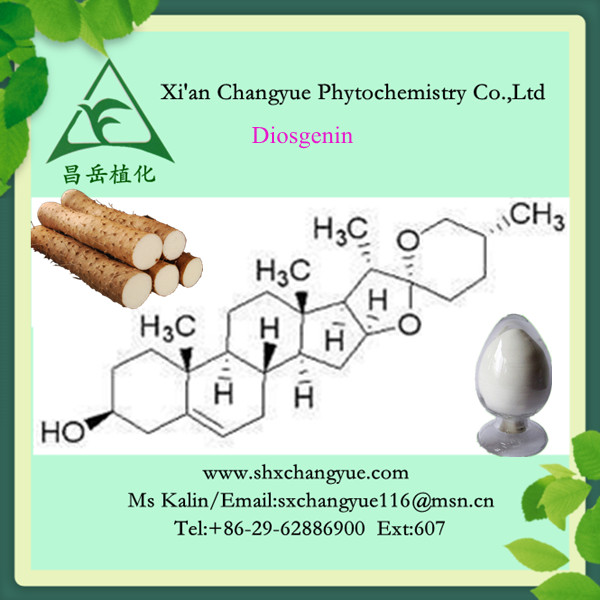
[English name] Diosgenin [Product resource] From the dry rhizome of the Dioscorea opposita Thunb. [Diosgenin Specification] 50%-98% [Testing Method] HPLC [Diosgenin Formula] C27H42O3 [Place of origin] Shaanxi, China [CAS NO.] 512-04-9
AI Product Description
*The following content is generated by AI and is for reference only.
Wild yam extract is a natural dietary supplement derived from the rhizomes of Dioscorea villosa, a perennial vine native to North America. Unlike common cultivated yams, wild yam contains high concentrations of saponins, particularly diosgenin, which serves as a crucial precursor in the semi-synthetic production of steroid hormones such as progesterone and cortisone in pharmaceutical laboratories. However, it is important to clarify that the human body cannot efficiently convert diosgenin into active hormones like progesterone or estrogen through oral ingestion; thus, its primary value lies in its historical use for digestive support and anti-inflammatory properties rather than direct hormonal replacement therapy.
The chemical profile of wild yam extract is complex, characterized by a mixture of steroidal saponins including dioscin, tigogenin, and hecogenin. While there is no single molecular formula representing the entire extract due to its composition of various compounds, diosgenin (C27H42O3) is the most prominent marker compound often cited in quality control standards. The CAS number for diosgenin is 512-04-9, though the extract itself does not possess a unique CAS identifier as it is a botanical mixture rather than a pure chemical substance.
In terms of applications, wild yam extract is widely utilized in traditional herbal medicine and modern nutraceuticals to alleviate symptoms associated with menopause, including hot flashes and mood swings, although clinical evidence supporting its efficacy for these specific hormonal issues remains mixed. It is also frequently marketed for its potential to reduce muscle spasms, joint pain, and digestive discomfort, attributed to its antispasmodic and anti-inflammatory effects on smooth muscles. Furthermore, some studies suggest it may support cardiovascular health by helping to regulate cholesterol levels. Consumers typically encounter this ingredient in capsule, tablet, or liquid tincture forms. Despite its popularity, individuals considering wild yam supplements should consult healthcare professionals, especially those with hormone-sensitive conditions, as interactions with prescription medications are possible. Regulatory bodies generally classify it as a dietary supplement rather than a drug, emphasizing the need for standardized extraction processes to ensure safety and potency in commercial products.




 (All Rights Reserved)