Product Description
Product specification :10:1 20:1
Detection method :TLC
Extract part: leaf
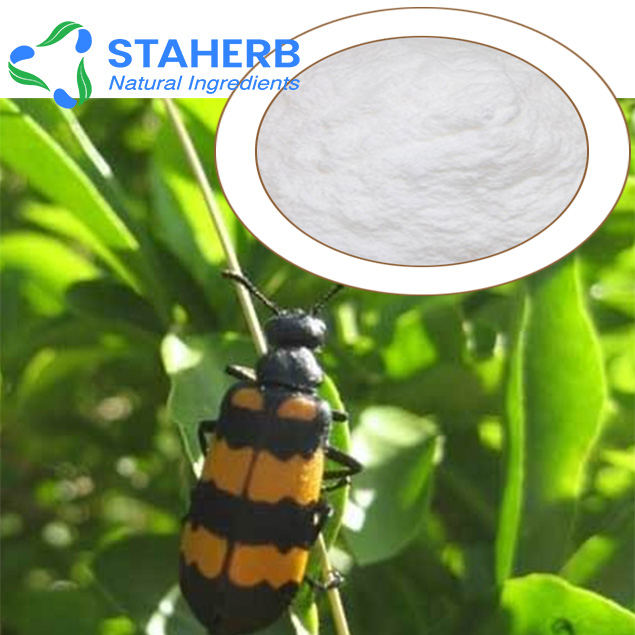
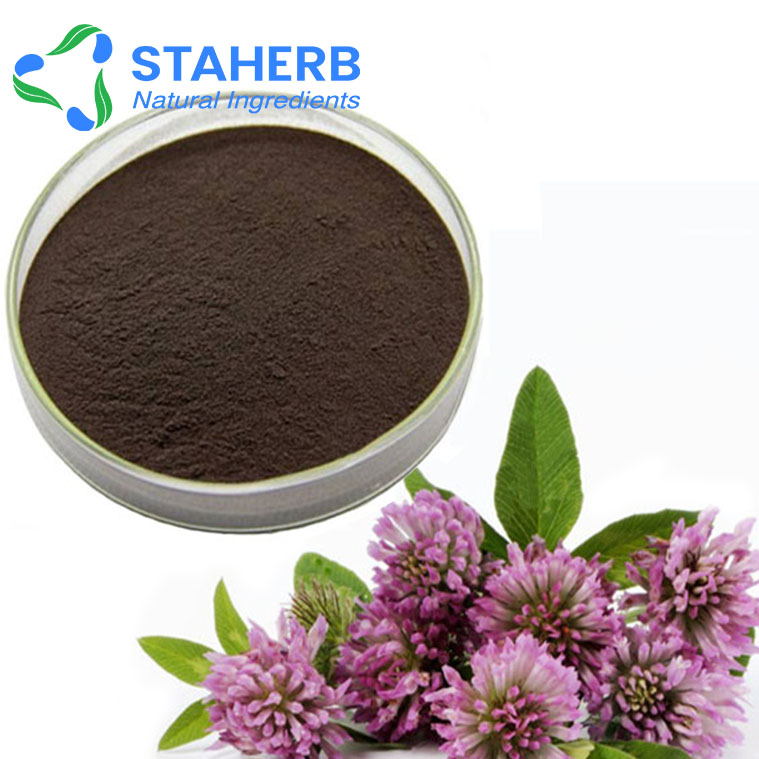
Product color: Brown powder
fineness :80-100 mesh Drying method: spray drying
Shelf life: two years
Packaging: Zip-lock bag/aluminum foil bag/carton/cardboard barrel Manufacturer: Changsha Staherb Natural Ingredients Co., LTD.
Storage conditions: cool and dry place
AI Product Description
*The following content is generated by AI and is for reference only.
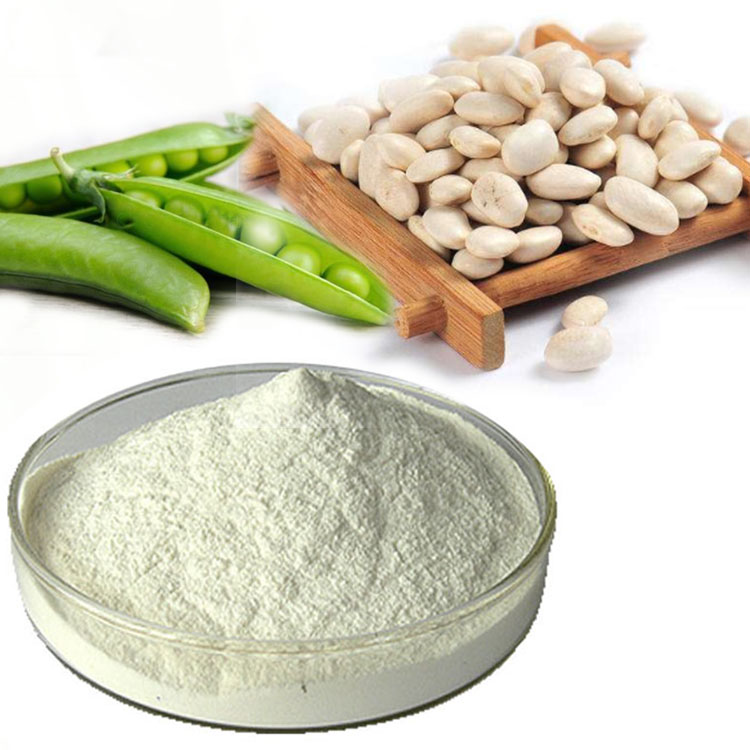
White Kidney Bean powder, also known as Cannellini bean powder or simply Kidney Bean powder, is a natural food ingredient derived from the seeds of *Phaseolus vulgaris*. Unlike synthetic chemicals, this product does not possess a single molecular formula or a CAS number, as it is a complex biological mixture rather than a pure chemical compound. Instead, it comprises a diverse array of macronutrients and micronutrients, primarily consisting of carbohydrates (including resistant starch), dietary fiber, plant-based proteins, vitamins such as folate and vitamin B6, and essential minerals like iron, magnesium, and potassium.
The production process involves harvesting mature white kidney beans, cleaning them, and grinding them into a fine, versatile flour. This powder retains the nutritional profile of the whole bean while offering enhanced solubility and ease of incorporation into various culinary formulations. Its primary applications span the food and beverage industries, where it serves as a functional ingredient for protein fortification, texture improvement, and gluten-free baking solutions. In the health sector, it is valued for its low glycemic index and high fiber content, which support digestive health and blood sugar regulation. Furthermore, due to its neutral flavor profile and creamy texture when hydrated, it acts as an excellent thickener and binder in soups, sauces, smoothies, and plant-based meat alternatives.
Beyond human consumption, White Kidney Bean powder is sometimes utilized in cosmetic formulations for its soothing properties and nutrient density. It represents a sustainable, plant-forward alternative to animal-derived proteins and refined flours, aligning with modern trends toward clean-label and nutritious eating. As a raw material, it requires standard storage conditions—cool, dry environments—to maintain freshness and prevent microbial growth. While it offers significant health benefits, proper cooking or processing is essential to deactivate naturally occurring lectins, ensuring safety and digestibility. Overall, this ingredient stands out as a multifaceted resource supporting global food security and wellness initiatives through its rich composition and adaptability across diverse product categories.





 (All Rights Reserved)