Product Description
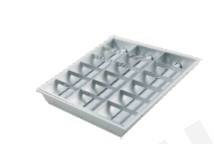
Model Item Size/mm power Luminous flux/LM lighting effectLM/W Kelvin/K Ra IP Level Installation methods
YJHN101 240*240*12 12W 1320
110
2800K-3200K
4000K-4500K
6500K-7000K
≥82 IP67
Screwed on the
front
YJHN102 240*600*12 26W 2860
YJHN103A 240*980*12 36W 3960
YJHN103B 240*1170*12 56W 6160
YJHN104A 480*480*12 36W 3960
YJHN104B 480*480*12 56W 6160
YJHN105 480*1170*12 72W 7920
AI Product Description
*The following content is generated by AI and is for reference only.
The device in question is a specialized portable fluid storage container designed for the safe transport, temporary holding, and controlled dispensing of various liquids. Primarily utilized in industrial, agricultural, and emergency response sectors, this tank serves as a critical tool for managing water, fuel, chemicals, or cleaning solutions without reliance on fixed infrastructure. Its robust construction typically features high-density polyethylene or stainless steel materials, ensuring durability against harsh environmental conditions, UV exposure, and potential chemical corrosion. The design often incorporates ergonomic handles, secure locking lids to prevent spills during transit, and integrated valves for precise flow regulation, making it ideal for remote field operations, firefighting support, or mobile sanitation units.
When operating with this equipment, several safety protocols must be strictly observed to ensure user protection and product longevity. First, users must verify the chemical compatibility between the stored liquid and the tank material before filling to avoid degradation or leakage. It is crucial to fill the tank only up to its designated capacity, leaving adequate headspace to accommodate thermal expansion and prevent pressure buildup. During transportation, the unit should be securely fastened to prevent tipping or collision, which could compromise structural integrity. Additionally, regular inspection of seals, gaskets, and valve mechanisms is recommended to detect early signs of wear or damage. Cleaning procedures should follow manufacturer guidelines, utilizing appropriate solvents that do not react with the tank interior. Avoid exposing the container to extreme temperatures beyond its specified operating range, as this may affect material flexibility or cause cracking. Never use the tank for storing incompatible substances such as oxidizers alongside flammables unless explicitly rated for such mixtures. Proper labeling of contents is mandatory to prevent accidental misuse by personnel. Finally, dispose of any residual waste according to local environmental regulations rather than draining into general sewage systems. Adhering to these operational standards ensures maximum efficiency, safety, and extended service life for this versatile fluid management solution.






 (All Rights Reserved)